Posted by GC Support
on May 11, 2026

Table of Contents
Imagine standing in the supplement aisle or endlessly scrolling through online search results. You are faced with dozens of identical-looking bottles, each flashing bold promises but offering very little clarity. Finding a reliable over-the-counter lithium brand requires you to dig past the loud, colorful labels to figure out exactly what sits inside the capsule. Right now, the health market is completely flooded with varying dosages and highly confusing ingredient lists. This makes choosing a safe, high-quality product a frustrating challenge.
Buying a poorly manufactured dietary supplement does more than waste your hard-earned money. It introduces unnecessary risk to your daily routine. This guide breaks down exactly what to look for when evaluating different products on the market. Weyland builds its reputation around clean, precise, low-dose lithium orotate for individuals who prioritize strict label transparency. Knowing how to read those nutritional labels ensures you pick a high-quality option that fits your specific wellness goals.
Start With a Lithium Brand That Keeps the Label Clear
Before comparing dozens of bottles, explore Weyland’s low-dose lithium options made for people who care about clean formulas, simple labels, and everyday wellness support.
Shop Weyland Products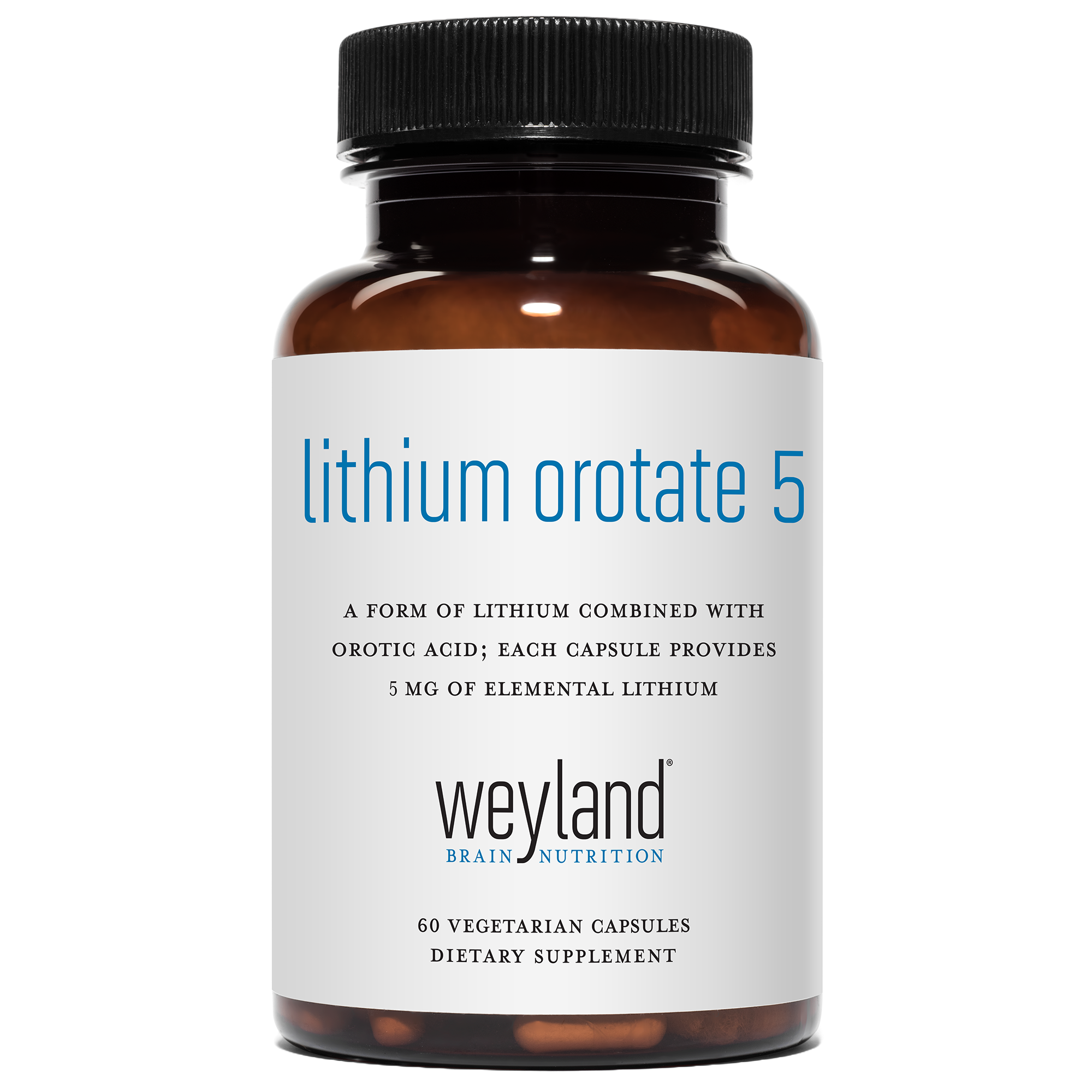
What is Over-the-Counter Lithium?
Over-the-counter lithium refers to low-dose nutritional supplements available on the open market without a doctor's prescription. These over-the-counter products are entirely distinct from the heavy, high-dose medical treatments used in clinical psychiatric settings. Understanding this baseline difference protects you from common misunderstandings about what you are putting into your body.
A Supplement, Not a Prescription
A nutritional lithium supplement uses completely different chemical compounds than prescription lithium. Medical doctors and psychiatrists prescribe specific forms like lithium carbonate or lithium citrate to treat severe mental health issues. Those high-dose clinical applications involve massive amounts of the mineral to manage conditions like bipolar disorder. Because of the strength, they require strict medical supervision and regular blood tests to prevent a dangerous buildup known as lithium toxicity. Non-prescription over-the-counter options contain only trace amounts designed for general wellness support.
Common Forms on the Shelf
Shoppers usually find a few specific versions of this trace mineral on store shelves. The most frequent option by far is a lithium orotate supplement. Some brands also manufacture lithium aspartate. Both of these forms combine elemental lithium with a specific organic carrier molecule to help your body absorb the material efficiently. These molecular combinations keep the actual active dose extremely low. They bear no structural resemblance to the heavy pharmaceutical dosages prescribed by a psychiatrist.
Why People Look for It
Many adults explore low-dose lithium supplementation to support general brain health and healthy aging. It turns out that this mineral is actually a naturally occurring element found in drinking water and soil across the globe. Population data and current research highlight potential benefits tied to cognitive health and normal cellular function. Consumers often add trace lithium to a daily routine to support a balanced mood and calm mind by subtly interacting with serotonin levels. However, it is important to remember that these low-dose supplements are not a cure for clinical depression, severe anxiety, or acute depressive episodes.

What Should You Check on the Label First?
A few label details separate a well-made supplement from a forgettable one, and these are the items worth scanning before anything else:
-
The form of lithium used, such as orotate or aspartate
-
The exact milligram amount of elemental lithium per serving
-
A clear serving size and serving count
-
A manufacturing or expiration date
-
A batch or lot number for traceability
What Form of Lithium Is Best in a Supplement?
Not all over-the-counter lithium products offer the exact same benefits. The specific form printed on the back label changes how the supplement is absorbed, circulated, and used by your body. The specific carrier molecule attached to the mineral dictates the product's overall performance.
Lithium Orotate, the Most Common Choice
Lithium orotate combines the base mineral salt with orotic acid. This specific pairing is highly popular because orotic acid acts as a natural vehicle, allowing the body to absorb the trace mineral effectively at much lower dosages. Many health experts and consumers prefer this form for gentle, low-dose daily use.
Lithium Aspartate as an Alternative
Lithium aspartate serves as another common option found in dietary supplements. It binds the mineral to an amino acid called aspartic acid to aid digestion. While some brands prefer this method for specific formulations, orotate remains the dominant and most widely accepted choice across the healthcare industry.
Why Form Matters for Daily Use
The human body processes different types of mineral chelates at varying speeds. The specific chemical form dictates how much elemental lithium actually bypasses your digestive tract and reaches your system. Picking an easily absorbed form ensures you get the potential benefits without taking more lithium than your system requires.
Compare Your Options With Confidence
As you review serving size, elemental lithium, ingredients, and testing standards, Weyland makes it easier to find a supplement that fits your wellness routine.
View Supplement Options
How Important Is Third-Party Testing?
Supplement quality varies widely from brand to brand because the industry lacks the strict regulations applied to prescription medications. Outside testing is one of the clearest ways to tell a serious, transparent company from a careless one. Independent labs verify that what is inside the bottle matches the text on the box.
What Third-Party Testing Actually Verifies
Independent testing confirms the exact lithium doses in each batch. It also screens the raw materials for dangerous contaminants such as heavy metals, pesticides, and harmful bacteria. This quality control step proves the final product is clean and safe for daily human consumption.
Certifications Worth Looking For
Quality brands proudly display official testing certifications and manufacturing standards right on the packaging. Look for symbols from recognized independent testing organizations. Facilities that strictly adhere to Good Manufacturing Practices provide an added layer of trust, safety, and peace of mind.
How to Find a Brand's Test Results
Reputable companies make independent testing documents remarkably easy to find. You can usually view a certificate of analysis directly on the brand's official website. If a company hides these results, uses outdated paperwork, or ignores customer requests for data, you should look for a different product entirely.

What Are Signs of a Lower-Quality Brand?
A few warning signs tend to show up on weaker supplements, and spotting them early saves money and frustration:
-
Vague labeling that hides the actual lithium amount
-
No mention of third-party testing anywhere
-
Heavy use of fillers, artificial dyes, or unnecessary chemical additives
-
Bold health claims that sound too good to be true, like promising to prevent dementia
-
No clear contact information or physical address for the company
-
Pricing far below the category average with no explanation
What Else Makes a Brand Worth Choosing?
Beyond the technicalities of the label and lab testing, a few softer signals point to a brand that takes its work seriously. The way a company sources raw materials and communicates with the public reveals a lot about the integrity of the final product, whether it is a clinical medicine or a daily supplement. Reliable brands focus on long-term health care values over quick profits.
Transparency About Sourcing
Trustworthy companies gladly explain where the raw ingredients originate. They provide clear, open details about the manufacturing process, facility locations, and safety standards. Hiding sourcing information or cloaking ingredients in "proprietary blends" is a massive red flag in the health supplement world.
Clear, Honest Marketing Language
Honest brands avoid making wild medical promises to boost sales. They never claim a low-dose supplement will cure chronic mental health issues, resolve thyroid problems, or replace a prescribed lithium medication. The language remains focused on general wellness, everyday stress management, and cognitive function rather than treating disease.
A Reputation Built Over Time
Customer reviews, historical data, and industry longevity matter deeply. Brands that survive and thrive over several years usually produce reliable products because they maintain consistent quality. Positive, long-term feedback from real users points toward a trustworthy formulation you can rely on.
What's Worth Putting in the Cart?
Choosing a reliable over-the-counter lithium brand comes down to label clarity, honest sourcing, and strict outside testing. You must actively ignore the loudest marketing claims on social media and focus entirely on the actual facts printed on the bottle.
If you are exploring Weyland's lithium orotate, take the time to compare the specific details that matter most to your health. Look closely at the brand's formulation to ensure it aligns with your personal wellness goals and values. Working closely with a healthcare provider helps ensure your daily routine remains safe, balanced, and effective for the long haul.
Ready to Choose a Cleaner Daily Support Supplement?
Use what you learned to shop smarter and choose a Weyland product built around clear labeling, low-dose support, and a simple approach to everyday wellness.
Check Out Weyland
Frequently Asked Questions
Is over-the-counter lithium safe to take daily?
Low-dose lithium supplements are generally safe for daily use by healthy adults, but you should always consult a healthcare professional before adding them to your routine, especially if you take other medications.
How much lithium is in over-the-counter supplements?
Most non-prescription options provide very low amounts of elemental lithium, typically ranging between one and twenty milligrams per serving, which is far below clinical prescription levels.
Where can you buy over-the-counter lithium?
You can purchase these specific trace mineral supplements through online retailers, specialized health stores, and direct manufacturer websites.
Is lithium orotate the same as prescription lithium?
No, lithium orotate is an over-the-counter dietary supplement containing trace amounts of the mineral, while prescription lithium options like carbonate are high-dose medications used under strict medical supervision.
How do you know if an over-the-counter lithium brand is reputable?
A trustworthy brand clearly lists the exact amount of elemental lithium, avoids making illegal disease-treatment claims, and easily provides up-to-date third-party testing results.
References
-
Office of Dietary Supplements, National Institutes of Health. (2023, January 4). Dietary supplements: What you need to know. https://ods.od.nih.gov/factsheets/WYNTK-Consumer/
-
U.S. Food and Drug Administration. (2005, April). Dietary supplement labeling guide: Chapter I. General dietary supplement labeling. https://www.fda.gov/food/dietary-supplements-guidance-documents-regulatory-information/dietary-supplement-labeling-guide-chapter-i-general-dietary-supplement-labeling
-
U.S. Food and Drug Administration. (2010, December). Small entity compliance guide: Current good manufacturing practice in manufacturing, packaging, labeling, or holding operations for dietary supplements. https://www.fda.gov/regulatory-information/search-fda-guidance-documents/small-entity-compliance-guide-current-good-manufacturing-practice-manufacturing-packaging-labeling
-
U.S. Food and Drug Administration. (2024a, February 21). Questions and answers on dietary supplements. https://www.fda.gov/food/information-consumers-using-dietary-supplements/questions-and-answers-dietary-supplements
-
U.S. Food and Drug Administration. (2024b, March 28). Structure/function claims. https://www.fda.gov/food/nutrition-food-labeling-and-critical-foods/structurefunction-claims
Medical Disclaimer
The content on this page is for informational purposes only and is not intended as medical advice, diagnosis, or treatment. Always consult a qualified healthcare professional before making changes to your health regimen.
*These statements have not been evaluated by the Food and Drug Administration. Our products are not intended to diagnose, treat, cure, or prevent any disease.