Posted by Dr. James Pendleton, ND, Chief Science Officer
on March 30, 2026

Lithium orotate is a dietary supplement and cannot replace prescription lithium carbonate, which is the FDA-regulated standard of care for bipolar disorder. Self-substitution carries real risk. Anyone managing bipolar symptoms should work with a licensed psychiatrist; do not change or stop prescribed lithium without clinical guidance. *These statements have not been evaluated by the FDA. This product is not intended to diagnose, treat, cure, or prevent any disease.*
Table of Contents
- 1. What Is Lithium and How Is It Used in Different Forms?
- 2. Why Is Lithium Commonly Discussed in Relation to Mood Conditions?
- 3. What Are the Key Differences Between Lithium Orotate and Prescription Lithium?
- 4. Can Lithium Orotate Replace Prescription Lithium?
- 5. Why Do Some People Consider Lithium Orotate Supplements?
- 6. What Are the Potential Benefits of Low-Dose Lithium?
- 7. What Safety Considerations Should You Know Before Using Lithium Orotate?
- 8. What Happens if Lithium Is Taken Incorrectly or in Excess?
- 9. How Do Lithium Supplements Fit Into a Daily Routine?
- 10. Choose a Clear and Thoughtful Approach to Supplements
People often wonder if an over-the-counter supplement can safely replace a strong prescription medication. Some people searching for lithium orotate bipolar topics wonder whether a supplement can take the place of prescription lithium. Unfortunately, online searches usually turn up conflicting or even dangerous advice about lithium compounds and their specific medical uses. This guide breaks down the real differences between these forms of lithium so you can protect your well-being and make safe choices.
Compliance Note: This content is for educational purposes only and is not intended as medical advice. Do not stop or change prescribed treatments without guidance from a qualified healthcare provider.
Looking for a Low-Dose Lithium Orotate Option?
After learning how lithium orotate differs from prescription lithium, you may want to review a wellness-focused option made for everyday use. Explore Weyland’s collection and check the label details before adding anything to your routine.
Explore Weyland Products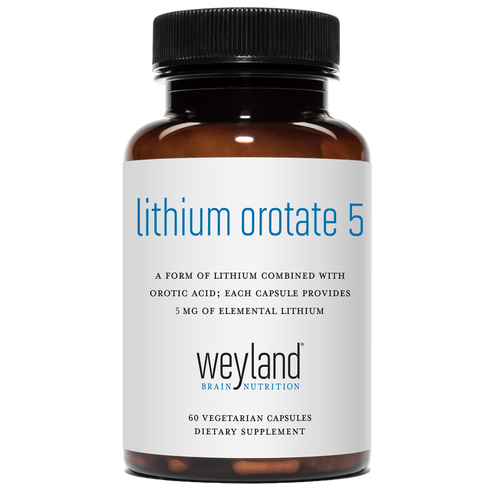
What Is Lithium and How Is It Used in Different Forms?
Lithium is a naturally occurring mineral found in trace amounts in the environment, including water and food. Different lithium salts are used in very different ways depending on the product and the setting. The two forms most readers are likely to see are prescription lithium products and over-the-counter lithium orotate supplements.
What Is Prescription Lithium?
Medical professionals rely on formulations such as lithium carbonate or lithium citrate. These require careful supervision. Doctors prescribe these forms for specific mood disorders, including mania and bipolar disorder, with dosing guided by blood levels and ongoing monitoring. People taking prescription lithium usually need regular blood tests to check lithium levels, kidney function, and thyroid function.
What Is Lithium Orotate?
Lithium orotate is a dietary supplement. It combines lithium with orotic acid and is sold over the counter in some markets. Brands usually market this option for general wellness or brain health support, not as a treatment for disease. Buyers generally use this form as a supplement rather than as a prescribed psychiatric treatment.

Why Is Lithium Commonly Discussed in Relation to Mood Conditions?
Medical experts frequently bring up lithium when discussing mood disorders because it has long been used as a mood stabilizer in psychiatric care. For decades, doctors have relied on lithium therapy in clinical practice for mania, bipolar disorder, and maintenance treatment in some cases. Researchers also continue studying how lithium affects the brain across different dose ranges.
How Is Lithium Used in Clinical Settings?
Psychiatrists use prescription lithium to treat mania and bipolar disorder and, in some cases, to help reduce relapse during maintenance treatment. Clinical teams monitor symptoms, blood levels, kidney function, and thyroid function over time. Lithium has also been studied in relation to suicide risk in mood disorders, but that evidence should be described carefully rather than as a guaranteed outcome.
Why Do People Explore Alternative or Low-Dose Options?
Some people become interested in low-dose lithium orotate because prescription lithium can have side effects and requires regular monitoring. Others come across early research on low-dose lithium and wonder whether a supplement could support general brain health. That interest does not mean low-dose products are proven substitutes for prescription care.
What Are the Key Differences Between Lithium Orotate and Prescription Lithium?
The gap between lithium orotate and prescription lithium comes down to dose labeling, legal status, monitoring, and intended use. Prescription lithium is a regulated medication used in psychiatric care, while lithium orotate is sold as a dietary supplement. Those differences matter because prescription products are managed through clinical monitoring, whereas supplements are not.
|
Feature |
Prescription Lithium (e.g., Lithium Carbonate) |
Lithium Orotate Supplements |
|
Typical Dose |
Often labeled in much higher milligram amounts, commonly 300 mg tablets taken in divided doses, with dosing guided by blood levels |
Many products list about 5 mg to 20 mg of elemental lithium per serving |
|
Primary Use |
Prescription treatment for mania and bipolar disorder, with maintenance use in some cases |
Marketed for general wellness or brain health support |
|
Availability |
Requires a doctor’s prescription |
Available over the counter |
|
Medical Monitoring |
Requires regular blood tests and follow-up |
No standard medical monitoring system applies |
Compare Your Options Before You Buy
If you are researching low-dose lithium orotate for general wellness or brain health support, it helps to look at serving size, product format, and label transparency in one place. Browse Weyland’s lineup to compare available options with confidence.
Compare Lithium Orotate OptionsCan Lithium Orotate Replace Prescription Lithium?
Lithium orotate should not be viewed as a replacement for prescription lithium. Prescription lithium and lithium orotate serve different roles, and current evidence does not establish over-the-counter lithium orotate as a substitute for prescribed bipolar disorder treatment. Trying to replace a prescribed medication with a supplement without medical guidance can create serious gaps in care.
Why Is Lithium Orotate Not a Substitute for Prescribed Treatment?
Standard over-the-counter lithium orotate products are not established treatments for mania, bipolar depression, or other psychiatric emergencies. Prescription lithium has a clinical role that is supported by treatment guidelines and monitoring protocols, while lithium orotate supplements do not carry that same role in bipolar disorder treatment. Over-the-counter products should not be presented as reaching the same therapeutic targets as prescribed care.
What Are the Risks of Switching Without Guidance?
Stopping prescribed lithium suddenly can raise the risk that symptoms return quickly. Evidence on classic withdrawal symptoms is mixed, but relapse risk after abrupt discontinuation is well documented. Any change to lithium treatment should be handled with a healthcare provider.
Why Do Some People Consider Lithium Orotate Supplements?
Many adults look into these supplements to be proactive about brain health and cognitive aging. Others come across research on low-dose lithium and become curious about whether small amounts might fit into a broader wellness routine. That rising interest helps explain why lithium orotate keeps coming up in health searches.
Why Do People Look Into Low-Dose Lithium Options?
Some people become interested after reading about low-dose lithium in research on aging, brain health, or mood. Even so, the evidence is still developing, and human data on over-the-counter lithium supplements remains limited. Interest in low-dose lithium should not be confused with proof that a supplement can treat a diagnosed condition.
How Do Supplements Fit Into General Wellness Routines?
People who use lithium orotate often place it alongside other supplements in a broader wellness routine. It may be discussed in the context of brain health, cognitive health, or emotional stability support, but it should not be presented as a cure or treatment for depression or any disease.

What Are the Potential Benefits of Low-Dose Lithium?
Research on low-dose lithium is still developing, so this section is best framed as areas of interest rather than proven benefits. Reviews and early studies suggest several research directions, but the strength of evidence varies and much of it remains preliminary.
Protecting Neurons
Researchers are studying whether low doses of lithium may support neuronal survival and protect neurons by modulating cellular signaling. Much of this discussion comes from mechanistic or preclinical work.
Supporting Cognitive Function
Low-dose lithium has been studied in connection with cognitive function, mild cognitive impairment, and cognitive decline, but the evidence is early and should not be turned into treatment claims.
Reducing Oxidative Stress
Some reviews describe possible effects on oxidative stress and inflammatory pathways, though that does not mean a supplement has proven clinical benefits in humans.
Boosting Brain Proteins
Lithium has been studied for possible effects on brain-derived neurotrophic factor and synaptic plasticity, especially in mechanistic research. These findings are interesting, but they do not establish a treatment for the disease.
Regulating Enzymes
Researchers have also examined lithium’s relationship with glycogen synthase kinase, glycogen synthase, and tau phosphorylation. These pathways help explain why lithium remains of interest in brain research.
What Safety Considerations Should You Know Before Using Lithium Orotate?
You have to review your medical history carefully before starting a new supplement. Keep these safety considerations in mind before using any lithium supplement:
- Consulting professionals: Ask a healthcare provider whether the supplement could interact with current medications or health conditions.
- Kidney and thyroid health: Extra caution is important for anyone with concerns about kidney function or thyroid problems.
- Pregnancy and nursing: Use during pregnancy or breastfeeding should be discussed with a qualified healthcare provider.
- Ingredient quality: Product quality can vary, so label accuracy and brand reputation matter.
What Happens if Lithium Is Taken Incorrectly or in Excess?
Taking too much lithium can lead to toxicity. Early symptoms can include nausea, vomiting, diarrhea, tremor, dizziness, fatigue, and confusion. With ongoing exposure or higher levels, lithium can also affect the kidneys and thyroid.
- Digestive distress: Nausea, vomiting, and diarrhea can be early warning signs.
- Neurological issues: Tremor, dizziness, drowsiness, confusion, or blurred thinking can occur as lithium levels rise.
- Muscle weakness: Weakness, poor coordination, or trouble walking can signal a more serious problem.
- Long-term effects: Ongoing lithium exposure at unsafe levels can contribute to kidney or thyroid complications.
When Should You Seek Medical Attention?
Get urgent medical help if severe symptoms appear or if too much lithium may have been taken. Poison Control advises reaching out right away for a possible poisoning, and emergency help is needed for collapse, seizures, trouble breathing, or inability to wake up.
How Do Lithium Supplements Fit Into a Daily Routine?
It is easy to add trace mineral capsules to a regular morning or nighttime routine. Building a steady routine can make it easier to remember a supplement and notice how it fits into the day. The product label and a healthcare provider’s guidance should come first.
Why Does Consistency Matter?
Consistency can make any supplement routine easier to follow and can help people notice whether a product agrees with them. It can also reduce the chance of missed or doubled doses when a supplement is taken regularly.
Should Lithium Orotate Be Taken With Food?
Some people prefer taking supplements with food to reduce stomach upset, but the label and a healthcare provider’s guidance should come first. Drinking enough water is also a sensible part of any routine.
Choose a Clear and Thoughtful Approach to Supplements
Making smart choices about brain health requires clear information and close attention to safety. Weyland prioritizes clear education, so you know exactly why low-dose lithium orotate is different from prescription lithium products. Put your health first by talking to your healthcare provider before making any changes to your daily routine.
Ready to Take a Closer Look at Weyland?
Now that you have a clearer view of lithium orotate, prescription lithium, and key safety points, the next step is choosing a product carefully. See Weyland’s collection for low-dose lithium orotate options designed for a thoughtful daily wellness routine.
Shop the CollectionFrequently Asked Questions
Can lithium orotate be used instead of prescription lithium?
No. Lithium orotate should not be used as a replacement for prescription lithium in bipolar disorder treatment or other prescribed psychiatric care.
What is the difference between lithium orotate and lithium carbonate?
Lithium orotate is an over-the-counter supplement often marketed for general wellness or brain health support, while lithium carbonate is a prescription medication used in psychiatric care.
Is lithium orotate a low-dose supplement?
Many lithium orotate products provide a small amount of elemental lithium per serving, though label amounts can vary by brand.
Why is prescription lithium monitored by doctors?
Prescription lithium requires monitoring because blood levels matter and the medication can affect kidney function and thyroid function.
What should you consider before using lithium supplements?
Check for medication interactions, kidney or thyroid concerns, pregnancy or breastfeeding considerations, and the need for medical guidance before starting any lithium supplement.
References
- Baldessarini, R. J., Pinna, M., Contu, M., Vázquez, G. H., & Tondo, L. (2022). Risk factors for early recurrence after discontinuing lithium in bipolar disorder. Bipolar disorders, 24(7), 720–725. https://doi.org/10.1111/bdi.13206
- Gitlin, M., & Bauer, M. (2024). Lithium: current state of the art and future directions. International journal of bipolar disorders, 12(1), 40. https://doi.org/10.1186/s40345-024-00362-7
- Tondo, L., & Baldessarini, R. J. (2024). Prevention of suicidal behavior with lithium treatment in patients with recurrent mood disorders. International journal of bipolar disorders, 12(1), 6. https://doi.org/10.1186/s40345-024-00326-x
About our sourcing: Our lithium orotate active ingredient is sourced from a European EU supplier. We purposely source more ingredients from Europe, where food safety regulations are stricter and more stringent than in many other supplement-ingredient origin countries.
Medical Disclaimer
The content on this page is for informational purposes only and is not intended as medical advice, diagnosis, or treatment. Always consult a qualified healthcare professional before making changes to your health regimen.
*These statements have not been evaluated by the Food and Drug Administration. Our products are not intended to diagnose, treat, cure, or prevent any disease.