Posted by GC Support
on August 10, 2026

Table of Contents
The supplement aisle is crowded, and picking through it can feel like guesswork. People looking to support everyday wellness find shelves full of choices, and a lithium supplement is one of the lesser-understood options among them.
Part of the confusion is the name. "Lithium" sounds like a heavy-duty prescription, yet the low-dose supplement version is a trace mineral, sold as a dietary product in tiny amounts.
What follows is a plain look at how low-dose lithium supplements fit alongside other common wellness supplements, framed honestly and without hype. For readers comparing options carefully, Weyland Brain Nutrition offers third-party-tested low-dose lithium, and the guidance below applies regardless of which brand ends up in the cart.
Support Your Daily Routine with Trace Minerals
Looking for a low-dose option? Explore our easily absorbed, trace-mineral dietary supplements designed for your everyday wellness routine.
Shop Low-Dose Lithium
What Is a Low-Dose Lithium Supplement?
A low-dose lithium supplement is a naturally occurring mineral, sold as a dietary supplement. It is not the same thing as the prescription drug that shares its name, and the difference matters. The gap comes down to amount and oversight.
A Trace Mineral in Small Amounts
Low-dose lithium is a trace mineral taken in microgram amounts. It occurs naturally in soil, food, and water, and supplement versions package those same small amounts in a measured form. That places it among other trace element supplements people take as part of a daily routine, not among prescriptions.
Not the Same as Prescription Lithium
Prescription lithium is a different category entirely. It is a monitored medication given in far larger doses of lithium, such as lithium carbonate, and a doctor manages it from start to finish. A low-dose nutritional supplement, by contrast, is measured in micrograms, hundreds of times smaller. Any questions about the prescription form belong with a doctor or pharmacist, not on a product page.

What Forms Do Lithium Supplements Come In?
Lithium supplements come in a few forms, mainly capsules and liquids. The forms differ in format and convenience more than anything else, and none is presented here as working better than another. Here is how the common options line up.
Lithium Orotate
Lithium orotate is a common capsule form, made by pairing lithium with orotic acid. It offers a measured amount in a simple pill, which suits people who like a fixed daily routine. For a deeper look at this specific form, the dedicated lithium orotate guides on the site cover it in detail, so the focus here stays on the wider comparison.
Ionic and Liquid Lithium
Ionic and liquid lithium deliver the mineral in liquid form rather than in a capsule. This type often comes alongside other naturally occurring minerals and is taken by the dropperful, usually mixed into water. It appeals to people who would rather skip pills or adjust the amount in small steps. Weyland Brain Nutrition's liquid drops fall into this category.
How the Forms Differ
The forms differ mainly in format, not in any ranking of one over the other. A capsule is pre-measured and easy to carry, while a liquid allows smaller adjustments and mixes into a drink. What stays constant is the amount of elemental lithium listed on the label, which matters more than the format itself. Choosing between them comes down to personal preference.
How Do Lithium Supplements Compare to Other Wellness Supplements?
People exploring everyday wellness supplements often weigh a few common options:
-
Low-dose lithium: a trace mineral some take as part of a general wellness routine.
-
Magnesium: commonly chosen for relaxation and everyday calm.
-
B vitamins: often used to support normal energy metabolism.
-
Omega-3s: frequently taken to support overall wellness.
These serve different general purposes, and none replaces a varied diet or medical care. A healthcare provider can help match any of these choices to individual needs.
Trust What's In Your Supplement
We believe in transparency. Our low-dose formulas are rigorously third-party tested and cGMP-compliant to ensure quality and peace of mind.
View Quality Supplements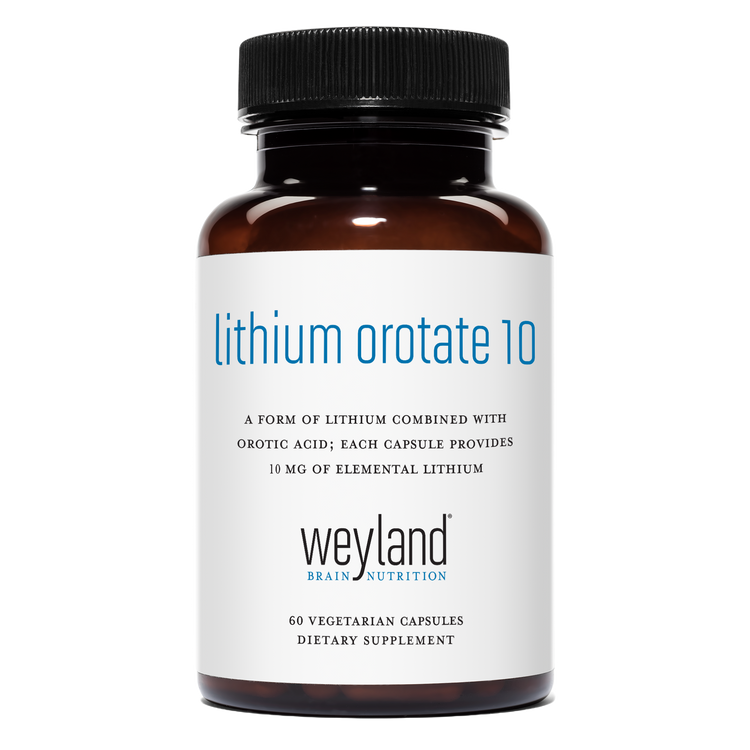
Is a Low-Dose Lithium Supplement Safe?
A low-dose lithium supplement is generally well tolerated at the small amounts sold over the counter, which sit far below prescription levels. Well tolerated does not mean risk-free, though, so a sensible approach still matters. Safety rests on respecting the amount and knowing when to check with a doctor.
Generally Well Tolerated at Low Amounts
At the trace amounts found in supplements, low-dose lithium is generally well tolerated by healthy adults. These very low doses are a small fraction of a prescription dose, which is a major reason the two have such different safety profiles. Still, "well tolerated" is not the same as "risk-free," so a careful start beats a casual one.
Respect the Dose
Lithium is biologically active even in small doses, so the label should be followed closely. More is not better here. Taking more in search of a stronger effect defeats the point of a low, steady dose and is simply not how these supplements are meant to be used. Sticking to the serving size on the label is the sensible move.
When to Ask a Clinician First
Some people should check with a clinician before starting. That includes anyone taking prescription lithium or another prescription medication, people managing a kidney or thyroid condition, and anyone who is pregnant or nursing. A brief conversation with a healthcare professional can settle whether a supplement fits a person's situation, which no label can do on its own.

How Do You Choose a Quality Lithium Supplement?
A few label details separate a solid lithium supplement from a weak one:
-
The elemental lithium amount per serving, stated clearly on the label.
-
Third-party testing or a Certificate of Analysis from an outside lab.
-
Manufacturing in an FDA-registered, cGMP-compliant facility.
-
A clean, short ingredient list without unnecessary additives.
-
Clear guidance to consult a clinician if taking medication or managing a health condition.
Weyland Brain Nutrition's low-dose lithium meets these marks, third-party tested and made in an FDA-registered, cGMP-compliant facility, so the basics are easy to confirm right on the label.
So, Where Does Low-Dose Lithium Fit?
Low-dose lithium is one of several trace-mineral and nutrient supplements people take as part of a general wellness routine, and it stays clearly separate from prescription lithium. The sensible way to weigh it is simple: compare by form and quality, respect the dose, and bring a clinician into any medical decision.
For readers weighing the option carefully, Weyland Brain Nutrition's low-dose lithium is clearly labeled and third-party tested, so the amount in each serving is easy to check before deciding.
Ready to Support Your Brain Health?
Take the guesswork out of your wellness regimen. Browse our complete line of trace minerals and brain nutrition products today.
Shop the Full Collection
Frequently Asked Questions
What is a lithium supplement used for?
A lithium supplement is a trace-mineral dietary product some people take as part of a general wellness routine, not a treatment for any condition.
Is a lithium supplement the same as prescription lithium?
No, a lithium supplement is a low-dose trace mineral measured in micrograms, while prescription lithium is a doctor-managed medication in much larger doses.
Are lithium supplements safe to take daily?
Low-dose lithium supplements are generally well tolerated at the small amounts on the label, though anyone on medication or managing a health condition should ask a clinician first.
How much lithium is in a supplement?
A low-dose supplement holds a small, measured amount of elemental lithium, usually listed in micrograms on the label.
Do lithium supplements need a prescription?
Low-dose lithium supplements are sold over the counter, but prescription lithium requires a doctor, and a clinician should guide any supplement use.
References
-
Bortolozzi, A., Fico, G., Berk, M., Solmi, M., Fornaro, M., Quevedo, J., Zarate, C. A., Jr, Kessing, L. V., Vieta, E., & Carvalho, A. F. (2024). New Advances in the Pharmacology and Toxicology of Lithium: A Neurobiologically Oriented Overview. Pharmacological reviews, 76(3), 323–357. https://doi.org/10.1124/pharmrev.120.000007
-
Gitlin M. (2016). Lithium side effects and toxicity: prevalence and management strategies. International journal of bipolar disorders, 4(1), 27. https://doi.org/10.1186/s40345-016-0068-y
Medical Disclaimer
The content on this page is for informational purposes only and is not intended as medical advice, diagnosis, or treatment. Always consult a qualified healthcare professional before making changes to your health regimen.
*These statements have not been evaluated by the Food and Drug Administration. Our products are not intended to diagnose, treat, cure, or prevent any disease.