Posted by Dr. James Pendleton, ND, Chief Science Officer
on March 11, 2026

Reported side effects of low-dose lithium orotate are uncommon at typical supplement doses (5–20 mg orotate ≈ 0.2–0.8 mg elemental lithium) and most often mild — occasional GI upset, fatigue, or dry mouth. Lithium orotate is a dietary supplement, distinct from prescription lithium carbonate which carries different and well-documented side-effect risks. Always consult a healthcare provider before starting. *These statements have not been evaluated by the FDA. This product is not intended to diagnose, treat, cure, or prevent any disease.*
Many people researching lithium orotate side effects want a clearer picture of safety before trying a low-dose lithium supplement. Questions often come up around nausea, thirst, kidney concerns, thyroid effects, medication interactions, and the risk of taking too much.
Lithium is also used in prescription medicine, but prescription lithium products are very different from over-the-counter supplements in dose, monitoring, and medical use. Because lithium can affect the kidneys, thyroid, and fluid balance, it is wise to review any supplement plan with a healthcare provider before starting.
Explore Weyland Lithium Orotate
This formula combines elemental lithium with orotic acid in a convenient vegetarian capsule for those looking to add lithium orotate to a daily supplement routine.
Shop Lithium Orotate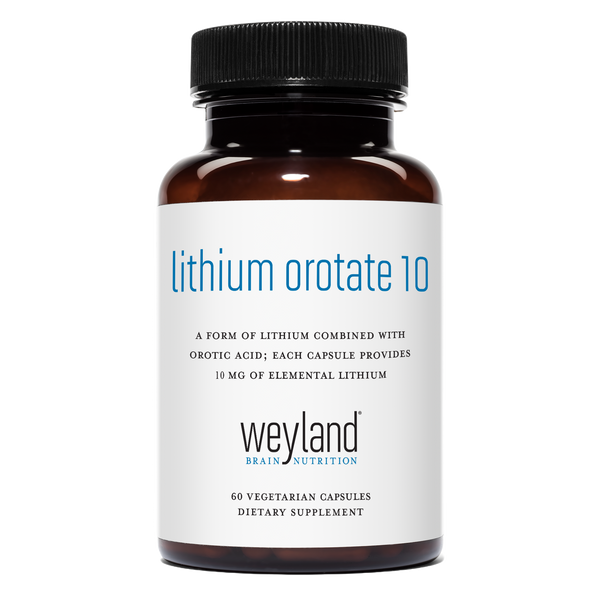
Quick Review
Here is a quick glance at the main safety concerns, dosage risks, and warning signs linked to lithium orotate side effects.
Safety Concerns
- Kidney Effects: Lithium can affect kidney function, so people with kidney concerns should be especially cautious.
- Thyroid Effects: Lithium has been associated with thyroid-related changes that may need closer review over time.
- Fluid Balance: Dehydration or changes in salt intake may affect how the body handles lithium.
Dosage Risks
- Labeled Amount Matters: Taking more than the amount listed on the label may raise the risk of side effects.
- Do Not Combine Sources: Using multiple lithium products together may increase total intake without realizing it.
- Medication Interactions: Risk may also increase when lithium is used with interacting medications.
What to Watch For
- Digestive Symptoms: Watch for nausea or vomiting after use.
- Fluid-Related Changes: Thirst and frequent urination may be signs that fluid balance is being affected.
- Neurologic Symptoms: Weakness, tremor, confusion, or poor coordination should be taken seriously.
What Is Lithium Orotate and How Much Lithium Does It Contain?
Lithium orotate is a dietary supplement form that combines lithium with orotic acid. People often look into it for general wellness reasons, but safety, dosage, and medication interactions should be carefully reviewed before use. But before you take it, you need to know exactly how much elemental lithium is inside that capsule. Understanding these details helps keep you safe from unwanted side effects.
What Is Lithium as a Mineral?
Lithium is not just a battery component. Lithium is a naturally occurring element. In medicine, lithium salts have long been used under professional supervision, but supplements are different from prescription products in dose, intended use, and monitoring. For a consumer article like this, the most important point is not the mechanism, but the need to understand the amount of elemental lithium in each serving and the possible safety concerns.
What Does “Elemental Lithium” Mean on the Label?
When you look at the back of a supplement bottle, the numbers can be confusing. When a label lists elemental lithium, it refers to the amount of actual lithium provided per serving, not the compound's total weight. That distinction matters because the full capsule weight is not equal to the lithium content. Getting this right prevents you from taking too much lithium by mistake.
What Is the Typical Lithium Orotate Dosage?
Many lithium orotate supplements are marketed in low amounts, often listing a few milligrams of elemental lithium per serving. Product strengths vary, so the label should be checked carefully before use. These low doses are tiny compared to the amounts used in prescription medications for severe psychiatric care. Sticking to the lowest effective dose is the best way to minimize possible side effects.

What Are the Common Lithium Orotate Side Effects?
Some people report a few problems with low-dose use, but side effects and medication interactions are still possible, especially in people with kidney issues, thyroid concerns, dehydration, or interacting medicines. However, mild stomach issues and subtle physical changes do happen as your body adjusts. Taking lithium at these lower levels generally causes fewer concerns than prescription therapy, but careful monitoring is still important. Pay close attention to how you feel during the first several weeks of use.
Can Lithium Orotate Cause Digestive Discomfort?
Nausea, stomach upset, or an unusual taste can occur with lithium use. A few people even notice a strange metallic taste in the mouth. Taking a supplement with food may help reduce stomach discomfort for some people, but if symptoms persist or worsen, they should be discussed with a healthcare provider.
Can Lithium Orotate Increase Thirst?
Increased thirst and more frequent urination can occur with lithium use. Frequent urination and a dry mouth often accompany this thirst. Staying well hydrated matters, especially during hot weather, illness, or heavy sweating. Large changes in salt intake should also be discussed with a healthcare professional, because fluid and sodium balance can affect lithium handling in the body.
Can Lithium Orotate Cause Headaches or Fatigue?
Headache or fatigue may occur in some people, especially if the product is poorly tolerated, fluid intake is low, or the dose is inappropriate. These temporary effects may fade as the body adjusts, but persistent symptoms should be reviewed with a healthcare provider. Getting enough rest and proper hydration can also help during the early days.
Are Tremors Common With Low-Dose Lithium?
Experiencing slight hand shaking is less common at lower supplement doses. Tremor is more strongly associated with prescription lithium and higher exposure, but shaking, weakness, or worsening coordination should still be taken seriously and reviewed promptly.

What Happens If You Take Too Much Lithium Orotate?
More is definitely not better when it comes to this mineral. Taking too much lithium causes serious side effects and can lead to lithium toxicity. When lithium levels rise too high, the body can become overwhelmed. Taking too much lithium can be dangerous and may require urgent medical evaluation. Early symptoms should not be ignored, especially if weakness, vomiting, confusion, tremor, or loss of coordination appear.
What Are Signs of Lithium Toxicity?
Symptoms of lithium toxicity can include nausea, vomiting, drowsiness, muscle weakness, tremor, confusion, and loss of coordination. These symptoms mean the body is not handling lithium properly and should be evaluated promptly.
How Much Lithium Is Considered Unsafe?
The danger zone depends on multiple factors. Unsafe intake depends on the amount taken, the product used, kidney function, hydration status, and possible drug interactions. Taking more than the labeled amount, combining products, or using lithium with interacting medicines can raise the risk.
How Quickly Can Toxicity Symptoms Appear?
Symptoms may appear soon after an overdose or develop gradually if lithium builds up over time. That risk is higher when kidney function is reduced or when interacting medicines affect lithium clearance. Regular blood tests may help monitor risk in some situations, especially when a healthcare provider recommends longer-term oversight.
Can Lithium Orotate Affect the Kidneys?
Your kidneys do the heavy lifting when it comes to filtering this mineral out of your blood. Lithium is cleared mainly through the kidneys, which is one reason prescription lithium therapy involves regular monitoring of kidney function and lithium levels. Lower-dose supplements are not the same as prescription treatment, but kidney-related safety questions still matter.
People with kidney disease, reduced kidney function, or a history of kidney problems should speak with a healthcare provider before using any lithium-containing product. Protecting kidney function remains important before starting any new supplement or medication.
Looking for a Simple Lithium Orotate Option?
Weyland Lithium Orotate provides 10 mg of elemental lithium per vegetarian capsule and is made in the USA in an FDA-registered, cGMP-compliant facility with third-party testing for quality.
View Lithium Orotate 10mgCan Lithium Orotate Affect the Thyroid?
Routine blood work can help a healthcare provider watch for early changes in thyroid function when ongoing use is being considered. This matters even more for people who already have thyroid-related symptoms or a history of thyroid concerns.
What Medications Interact With Lithium Orotate?
Lithium can interact with several medications in ways that may raise lithium levels or increase side-effect risk. Understanding these interactions helps reduce the chance of accidental toxicity and supports safer use. A healthcare professional should review current medicines before a lithium-containing supplement is added.
NSAIDs
Common pain relievers like ibuprofen are nonsteroidal anti-inflammatory drugs. NSAIDs can reduce lithium clearance and may increase the risk of side effects or toxicity.
Diuretics
Diuretics change how your body handles sodium and water. Diuretics can change fluid and sodium balance in ways that may raise lithium levels. Losing too much fluid can further increase the risk of other side effects.
ACE Inhibitors
Doctors prescribe ACE inhibitors to treat high blood pressure, but they can also interfere with lithium handling. ACE inhibitors can increase the risk of elevated lithium levels, so the combination should be reviewed carefully.
Thyroid Medications
Taking this supplement alongside existing thyroid medications can complicate your treatment plan. People using thyroid medication should discuss lithium use with a healthcare professional, because thyroid status may need closer review.
Prescription Lithium
Lithium orotate should not be combined with prescription lithium unless a prescribing clinician specifically advises it, because combined exposure may increase the risk of lithium toxicity.

Is Lithium Orotate Safer Than Lithium Carbonate?
Many people view lithium orotate as the safer choice simply because it involves much lower doses. Still, lithium orotate and lithium carbonate should not be treated as interchangeable. Comparing the two requires looking at dose, intended use, and the level of medical oversight involved.
Lithium carbonate has a very narrow therapeutic window, requiring careful monitoring to avoid harm. Prescription users need regular blood tests because the gap between a helpful dose and a toxic dose is incredibly small. A supplement may contain a lower amount of lithium, but that does not make it risk-free, especially for people with kidney issues, thyroid concerns, dehydration, or interacting medications.
Who Should Not Take Lithium Orotate?
Certain groups of people face higher potential risks and should be cautious with lithium orotate. Existing health conditions can make the body more sensitive to even trace amounts of this mineral. Consulting a doctor helps clarify whether this supplement is appropriate and whether safer treatment options are available.
Extra caution is warranted for people with kidney disease, reduced kidney function, thyroid disorders, pregnancy, breastfeeding, or medications that interact with lithium. Children should not use lithium-containing products unless a qualified clinician is directly involved in care.
How to Take Lithium Orotate Safely
You can take lithium orotate more safely by following careful dosage guidelines and paying attention to how your body responds. Building a sensible routine may help lower the chance of unwanted side effects while keeping safety at the center of your decision-making. Working with a medical expert can help you make a more informed choice.
Start With the Lowest Effective Dose
Start with the lowest labeled amount unless a healthcare professional advises otherwise. Avoid increasing the amount on your own.
Stay Hydrated
Drinking plenty of water helps reduce the chance of lithium becoming too concentrated in your system. Stay well hydrated, especially during hot weather, illness, or heavy sweating. Avoid major changes in salt intake unless a healthcare professional advises them, because sodium and fluid balance can affect lithium handling.
Avoid Stacking Multiple Lithium Sources
Do not combine multiple lithium-containing products unless a clinician has reviewed the total amount. Checking all your labels helps reduce the risk of accidental double-dosing.
Discuss Use With a Healthcare Provider
A qualified healthcare professional can evaluate your family history and current health status. Their guidance ensures the supplement aligns with your exact needs.
Consider Periodic Lab Monitoring if Long-Term Use
For longer-term use, a healthcare provider may recommend checking kidney function, thyroid function, or other labs based on medical history and current medications.
Choosing a Safe, High-Quality Lithium Orotate Supplement
Choosing a lithium orotate supplement starts with clarity on the label. Look for products that clearly state the amount of elemental lithium per serving, list all ingredients, and provide third-party testing or quality-control information when available. A healthcare professional can help assess whether a product makes sense given medical history, other medications, and long-term safety concerns.
Want a Convenient Daily Lithium Orotate Supplement?
Weyland Lithium Orotate 10mg offers 60 vegetarian capsules per bottle and is carefully made with quality-focused manufacturing and third-party testing.
See Product DetailsFrequently Asked Questions
Is lithium orotate safe to take daily?
Daily use may not be appropriate for everyone. A healthcare provider can help assess dose, kidney, and thyroid concerns, medication interactions, and whether any monitoring is needed.
What are the signs of too much lithium in the body?
Possible signs of lithium toxicity include nausea, vomiting, drowsiness, weakness, tremor, confusion, and loss of coordination. Urgent medical help is warranted if these symptoms appear after lithium use.
Can lithium orotate damage your kidneys?
Lithium can affect kidney function, which is why prescription lithium therapy is monitored carefully. Kidney-related risk should also be considered before long-term supplement use.
Does lithium orotate affect the thyroid?
Lithium has been associated with thyroid-related effects, so thyroid history and symptoms should be reviewed before use, especially with longer-term intake.
How does lithium orotate compare to lithium carbonate in terms of side effects?
Prescription lithium carbonate and lithium orotate differ in their doses, intended uses, and clinical monitoring. A lower-dose supplement may still pose risks, especially with kidney issues, thyroid concerns, dehydration, or medication interactions.
References
- Hedya, S. A., Avula, A., & Swoboda, H. D. (2023, June 26). Lithium toxicity. In StatPearls. StatPearls Publishing. https://www.ncbi.nlm.nih.gov/books/NBK499992/
- National Center for Biotechnology Information (2026). PubChem Compound Summary for CID 23686432, Lithium orotate. Retrieved March 17, 2026 from https://pubchem.ncbi.nlm.nih.gov/compound/Lithium-orotate.
- National Institute of Child Health and Human Development. (2024, August 15). Famotidine. In Drugs and Lactation Database (LactMed®). https://www.ncbi.nlm.nih.gov/books/NBK501267/
- Office of Dietary Supplements. (2023, January 4). Dietary supplements: What you need to know. National Institutes of Health. https://ods.od.nih.gov/factsheets/WYNTK-Consumer/
About our sourcing: Our lithium orotate active ingredient is sourced from a European EU supplier. We purposely source more ingredients from Europe, where food safety regulations are stricter and more stringent than in many other supplement-ingredient origin countries.
Medical Disclaimer
The content on this page is for informational purposes only and is not intended as medical advice, diagnosis, or treatment. Always consult a qualified healthcare professional before making changes to your health regimen.
*These statements have not been evaluated by the Food and Drug Administration. Our products are not intended to diagnose, treat, cure, or prevent any disease.