Posted by Dr. James Pendleton, ND, Chief Science Officer
on March 06, 2026

Lithium orotate is a low-dose dietary supplement combining trace lithium with orotic acid. It is sold as a daily wellness product, not the prescription pharmaceutical lithium carbonate. Typical labels list 5–10 mg lithium orotate (≈0.2–0.4 mg elemental lithium). Researchers study its potential role in mood, focus, and brain aging, but evidence remains preliminary. *These statements have not been evaluated by the FDA. This product is not intended to diagnose, treat, cure, or prevent any disease.*
What makes a simple mineral one of the most talked-about topics in cognitive health today? Many people are exploring the benefits of lithium orotate supplements to support daily focus and mental well-being. Yet understanding the science and potential risks is essential before starting any new routine.
Researchers continue to study how trace levels of lithium interact with brain signaling pathways related to mood and cognitive function. Some early findings suggest potential connections between low levels of lithium exposure and certain aspects of brain health, although results remain under investigation. A healthcare provider should always be consulted before adding any new supplement to a routine.
Quick Review
Lithium orotate is an over-the-counter, low-dose supplement combining elemental lithium and orotic acid. Unlike high-dose lithium carbonate used for bipolar disorder, lithium orotate uses microdoses for general brain health.
Key Benefits
- Mood & Stress: Supports emotional balance and stress regulation.
- Brain Protection: Boosts Brain-Derived Neurotrophic Factor (BDNF) for neuron growth; moderates GSK-3β activity.
-
Healthy Aging: Aids cellular repair, memory, and cognitive longevity.
Dosage & Safety
- Dose: 5–20 mg elemental lithium daily.
- Side Effects: Mild (headache, thirst, digestive upset).
-
Disclaimer: Consult a doctor, especially if pregnant or with kidney/thyroid concerns.
Best Practices
- Ideal Users: Adults under high stress or seeking cognitive support.
- Synergy: Works best with good sleep, exercise, Omega-3s, and magnesium.
-
Quality: Choose brands with third-party testing and clear lithium labeling.
Want a low-dose lithium to your daily brain wellness routine?
Explore Weyland Lithium Orotate 2.5mg. Made in the USA in an FDA-registered, cGMP-compliant, third-party rated facility.
Get Lithium Orotate Now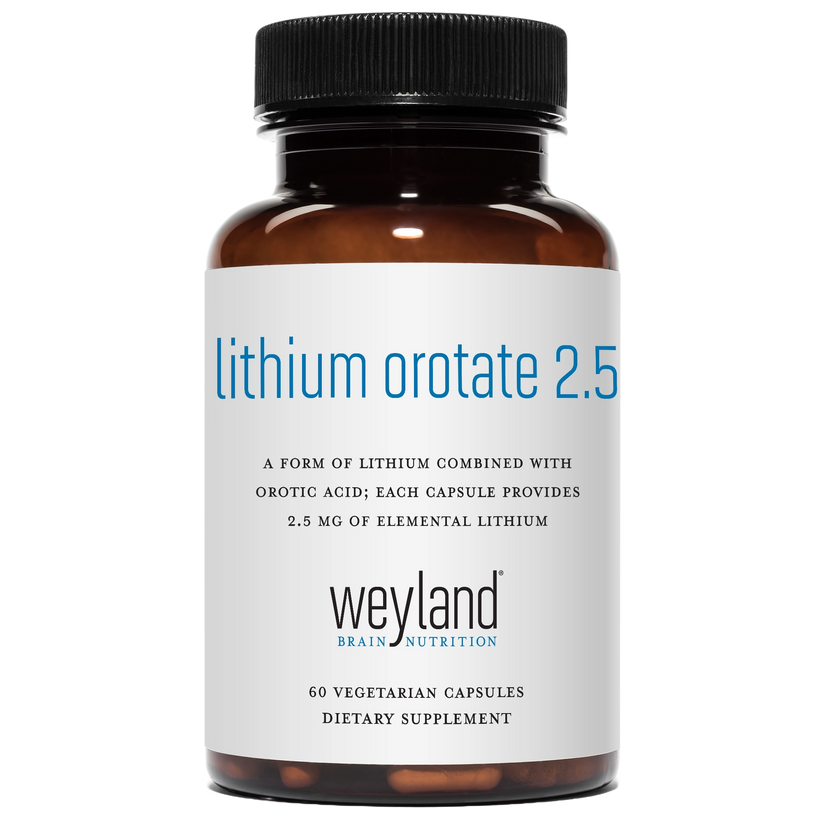
What Is Lithium Orotate and How Is It Different From Prescription Lithium?
Lithium orotate is a dietary supplement that combines a natural mineral with an acid to support overall health. It stands completely apart from prescription lithium carbonate because it delivers much smaller amounts of the active ingredient directly to your system. Understanding these fundamental differences helps you make informed choices about your long-term cognitive health without feeling overwhelmed.
What Is Lithium Orotate Made of?
Lithium orotate consists of elemental lithium bound to orotic acid. Orotic acid is an organic compound that serves as the carrier molecule within the supplement. Elemental lithium refers to the mineral portion responsible for the compound’s biological activity.
How Is Lithium Orotate Different From Lithium Carbonate?
Unlike prescription lithium carbonate, lithium orotate contains microdoses of the mineral and is widely available over the counter. Doctors prescribe lithium carbonate under medical supervision to manage conditions such as bipolar disorder.
The doses used in prescription treatment are significantly higher than the trace amounts typically found in dietary lithium orotate supplements. On the flip side, people take low-dose lithium supplementation primarily to support general brain health and mild anxiety reduction rather than to treat acute mental health issues.

What Are the Main Lithium Orotate Benefits?
The main benefits of lithium orotate are often discussed in the context of mood support, cellular resilience, and memory-related pathways. Finding balance in a busy life is hard. Research exploring trace lithium exposure has identified several biological pathways related to brain signaling and cellular protection. Scientists continue to investigate whether low-dose lithium supplementation may support aspects of brain health.
Can Lithium Orotate Support Mood Balance?
Lithium interacts with neurotransmitter systems that influence mood regulation. Researchers continue to explore whether low-dose lithium exposure may play a role in supporting emotional stability.
How Does Lithium Orotate Support Memory and Learning?
Some studies examining lithium exposure suggest it may interact with signaling pathways involved in synaptic plasticity. Researchers are studying whether these mechanisms influence memory processes and cognitive aging.
Does Lithium Orotate Help Protect Brain Cells?
Research exploring lithium has identified interactions with cellular pathways involved in oxidative balance and neuron signaling. Scientists continue to investigate whether these mechanisms may support brain cell resilience.
Can Low-Dose Lithium Support Healthy Aging?
Low-dose lithium can support healthy aging by influencing basic cellular signaling throughout the body. Some research explores whether lithium interacts with cellular signaling pathways involved in mitochondrial activity and aging. Interestingly, epidemiological observations of trace lithium levels in public drinking water link this element to longer lifespans and better overall health in large populations.
Can Lithium Orotate Help With Stress Response?
Lithium interacts with neurotransmitter systems involved in stress signaling. Ongoing research is exploring how these mechanisms may influence stress response and sleep regulation. Proper recovery time after physically and mentally demanding days also plays a key role in supporting healthy cognitive function.
Help power mental clarity, focus, and healthy brain function every day.
Take a closer look at Weyland Lithium Orotate 2.5mg.
Get Lithium Orotate NowHow Does Lithium Work in the Brain?
Lithium works in the brain by influencing proteins, enzymes, and cellular pathways that support brain signaling. Lithium interacts with several enzymes, signaling proteins, and cellular pathways involved in brain communication. Scientific research continues to explore how these mechanisms may relate to potential benefits for memory and daily focus.
What Is BDNF, and Why Does It Matter?
Brain-Derived Neurotrophic Factor (BDNF) is a helpful protein that encourages the growth and survival of healthy neurons. BDNF matters because high levels of it improve your ability to learn and adapt to new life challenges. Lithium appears to stimulate BDNF production, helping keep your brain youthful and highly adaptable.
What Is GSK-3β, and How Does Lithium Interact With It?
Glycogen synthase kinase-3 beta (GSK-3β) is an enzyme that can actually harm brain cells when it becomes too active. Lithium has been shown in laboratory research to influence the enzyme GSK-3β. Scientists study this pathway because of its role in neuronal signaling and cellular regulation.
How Does Lithium Influence Brain Cell Growth?
Lithium influences brain cell growth by triggering natural repair mechanisms and supporting cellular maintenance. Research suggests lithium may influence cellular signaling pathways involved in neurogenesis and neuronal maintenance. The mineral supplement signals your body to increase its production of protective proteins. This steady support helps maintain healthy neural networks with age.
What Role Does Lithium Play in Inflammation and Oxidative Stress?
Lithium interacts with cellular pathways related to oxidative balance and inflammatory signaling. The mineral may influence how the body responds to everyday cellular stressors that build up over time. Keeping these pathways supported can help promote more stable brain function.

What Is the Recommended Lithium Orotate Dosage?
The recommended lithium orotate dosage typically ranges from 5 to 20 milligrams of elemental lithium per day. Elemental lithium refers strictly to the actual mineral content inside the capsule, not the total weight of the entire supplement compound. You should never assume higher doses work better. Taking larger doses of lithium requires careful medical supervision, making medical guidance important for safety.
Are There Any Side Effects of Lithium Orotate?
There are potential side effects of lithium orotate, though they remain quite mild for most healthy adults. Some people report mild digestive upset, slight headaches, or increased thirst when starting a new routine.
You should always consult a healthcare provider. This is especially true if there are kidney issues, thyroid conditions, or the use of other medications like diuretics or nonsteroidal anti-inflammatory drugs (NSAIDs). Pregnant individuals or those taking prescription lithium should consult a healthcare provider before considering lithium supplements.
Who May Benefit Most From Lithium Orotate?
Adults concerned about brain aging and cognitive decline may benefit the most from lithium orotate supplements. High-stress professionals and those interested in mood resilience often find value in adding low-dose lithium to daily routines. People interested in supporting long-term brain wellness sometimes explore low-dose lithium supplements as part of a broader health strategy.
How Do You Choose a High-Quality Lithium Orotate Supplement?
Choosing a high-quality lithium orotate supplement requires looking for clear labels and strict purity standards. You want a product that clearly displays third-party testing and states the exact amount of elemental lithium per serving. Finding a dietary supplement with a clean ingredient profile and an appropriate dose ensures you get the safest support possible alongside your other supplements.

How Can You Combine Lithium Orotate With a Brain Health Plan?
Combining dietary supplements with healthy lifestyle habits may support overall brain wellness. A strong strategy includes specific foods and daily routines that support nervous system health. These simple lifestyle adjustments work hand in hand with the mineral supplement to support overall well-being.
Nutrition That Supports Brain Health
Nutrition that supports brain health includes diets rich in healthy fats and essential minerals. Omega-3 fatty acids, magnesium, and abundant antioxidants support overall brain health and cellular function. Adding these nutrients through whole foods or food fortification creates an ideal environment for low-dose supplements to fit into a broader routine.
Lifestyle Habits That Enhance Results
Lifestyle habits that enhance results involve regular physical activity and deep, restorative sleep. Exercise increases blood flow to the brain, while sleep clears out the accumulated daily toxins. Adding stress management techniques and frequent cognitive engagement keeps your mind sharp and highly responsive.
Why Consider Weyland Brain Nutrition for Lithium Orotate?
Choosing the right source for a brain health journey requires trust in purity and transparent manufacturing. Research continues to explore how lithium interacts with pathways involved in mood regulation and brain signaling. Weyland Brain Nutrition offers a science-backed formulation carefully designed for long-term brain support.
Weyland Brain Nutrition encourages speaking with a healthcare provider before adding new supplements to a routine to ensure they fit specific needs. Support brain wellness with thoughtfully formulated lithium orotate designed for clarity, balance, and long-term wellness.
Give your brain the daily support it needs for focus, clarity, and balance.
Try Weyland Lithium Orotate 2.5mg for convenient daily support in a vegetarian capsule formula.
Get Lithium Orotate NowFrequently asked questions
What does lithium orotate do for the brain?
Lithium orotate supports brain health by promoting neurotransmitter balance, encouraging new cell growth, and interacting with cellular pathways related to oxidative balance.
Is lithium orotate safe to take daily?
Evidence from several observational studies exploring trace lithium exposure suggests low-dose supplementation may be tolerated when used appropriately. Medical guidance should always be sought before use.
How long does it take to notice lithium orotate benefits?
Research on low-dose lithium supplementation is ongoing, and timelines for noticeable effects may vary depending on individual health factors.
Can lithium orotate help with memory loss?
Some research explores how lithium interacts with signaling pathways involved in memory and neuronal maintenance.
What is the difference between lithium orotate and lithium carbonate?
Unlike prescription lithium carbonate used to treat bipolar disorder at high doses, lithium orotate offers trace amounts of elemental lithium primarily as an over-the-counter dietary supplement for general brain resilience.
References
- Bortolozzi, A., Fico, G., Berk, M., Solmi, M., Fornaro, M., Quevedo, J., Zarate, C. A., Jr, Kessing, L. V., Vieta, E., & Carvalho, A. F. (2024). New Advances in the Pharmacology and Toxicology of Lithium: A Neurobiologically Oriented Overview. Pharmacological reviews, 76(3), 323–357. https://doi.org/10.1124/pharmrev.120.000007
- Fraiha-Pegado, J., de Paula, V. J. R., Alotaibi, T., Forlenza, O., & Hajek, T. (2024). Trace lithium levels in drinking water and risk of dementia: a systematic review. International journal of bipolar disorders, 12(1), 32. https://doi.org/10.1186/s40345-024-00348-5
- Ghlichloo, I., & Gerriets, V. (2023). Nonsteroidal Anti-Inflammatory Drugs (NSAIDs). In StatPearls. StatPearls Publishing. https://pubmed.ncbi.nlm.nih.gov/31613522/
- Lai, S., Wang, P., Gong, J., & Zhang, S. (2023). New insights into the role of GSK-3β in the brain: from neurodegenerative disease to tumorigenesis. PeerJ, 11, e16635. https://doi.org/10.7717/peerj.16635
- Löffler, M., Carrey, E. A., & Zameitat, E. (2016). Orotate (orotic acid): An essential and versatile molecule. Nucleosides, nucleotides & nucleic acids, 35(10-12), 566–577. https://doi.org/10.1080/15257770.2016.1147580
- Zanni, G., Michno, W., Di Martino, E., Tjärnlund-Wolf, A., Pettersson, J., Mason, C. E., Hellspong, G., Blomgren, K., & Hanrieder, J. (2017). Lithium Accumulates in Neurogenic Brain Regions as Revealed by High Resolution Ion Imaging. Scientific reports, 7, 40726. https://doi.org/10.1038/srep40726
About our sourcing: Our lithium orotate active ingredient is sourced from a European EU supplier. We purposely source more ingredients from Europe, where food safety regulations are stricter and more stringent than in many other supplement-ingredient origin countries.
Medical Disclaimer
The content on this page is for informational purposes only and is not intended as medical advice, diagnosis, or treatment. Always consult a qualified healthcare professional before making changes to your health regimen.
*These statements have not been evaluated by the Food and Drug Administration. Our products are not intended to diagnose, treat, cure, or prevent any disease.