Posted by GC Support
on October 16, 2026

Table of Contents
The number 400 shows up on countless folate labels, and the real question is 400 micrograms (mcg) of what? A bottle marked "folate 400 mcg" isn't the same as one marked "folic acid 400 mcg," because the body absorbs the two forms differently. Misreading the label can mean getting too little during pregnancy or stacking past the upper limit.
At Weyland Brain Nutrition, a label should be easy to understand, and the goal here is to make folate labels just that. Once the units click, 400 mcg is the right daily amount for most adults, with a few key exceptions.
LOOK BEYOND THE 400 MCG
Already use caffeine and want B vitamins in the same formula? Meet Weyland Motivation! Herbal Caffeine + Energy. Review its folate amount, serving size, and caffeine content before choosing. This is an energy blend, not a plain folate supplement.
Meet Weyland Motivation!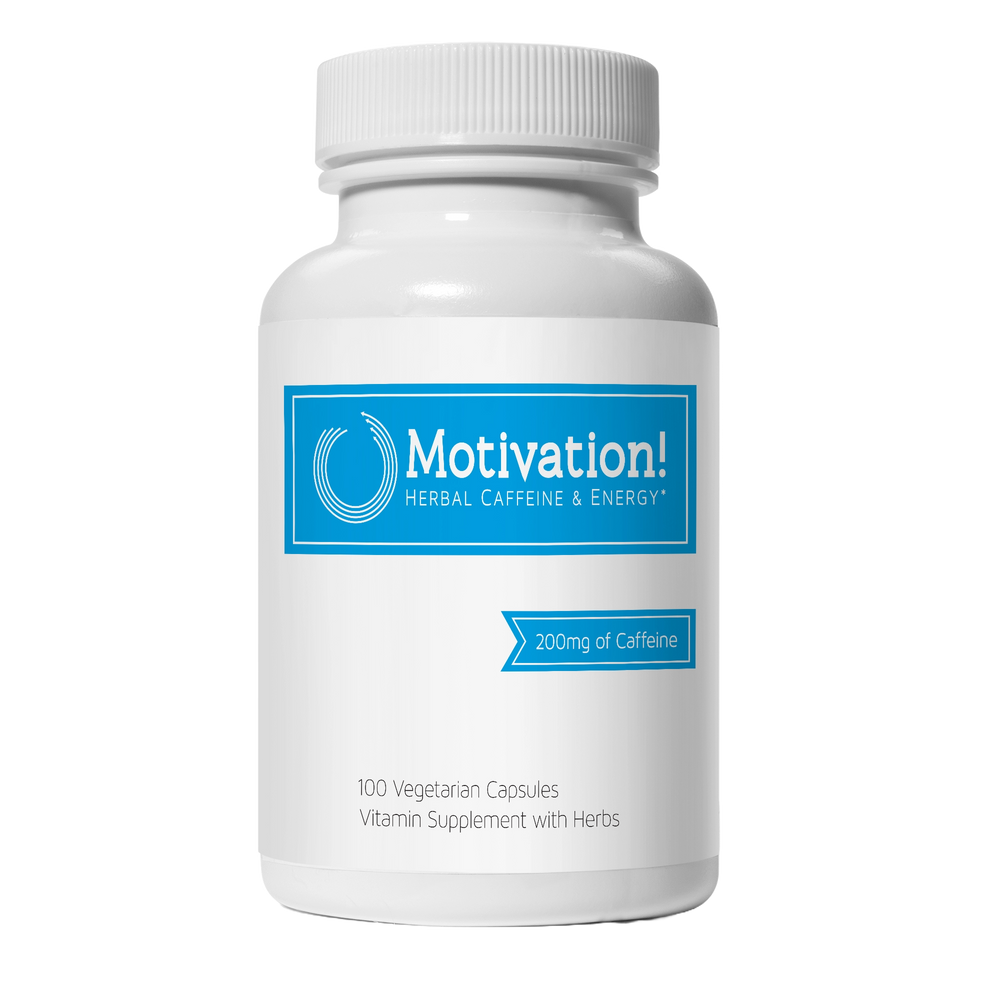
Is 400 mcg of Folate Enough?
For most adults, 400 mcg of folate a day is enough. According to the National Institutes of Health (NIH), 400 mcg DFE (dietary folate equivalents) meets the recommended amount for everyone 14 and older, except during pregnancy and breastfeeding. These NIH reference amounts change with age:
| Age or Life Stage | Daily Folate Need (mcg DFE) | Upper Limit for Folic Acid (mcg) |
|---|---|---|
| 1 to 3 years | 150 | 300 |
| 4 to 8 years | 200 | 400 |
| 9 to 13 years | 300 | 600 |
| 14 to 18 years | 400 | 800 |
| Adults 19 and older | 400 | 1,000 |
| Pregnancy | 600 | 800 to 1,000 (by age) |
| Breastfeeding | 500 | 800 to 1,000 (by age) |
Enough for Most Adults
The same 400 mcg DFE target applies from young adulthood through older age. Other factors, like diet and certain medications, can affect how much folate the body actually gets to use.
More Than Young Children Need
Children need less, and the upper limit for folic acid is lower too. Adult supplements aren't designed for kids, so keep those items out of reach and follow the dose on any children's product.
Short of Pregnancy and Breastfeeding Needs
Needs rise to 600 mcg DFE during pregnancy and 500 mcg DFE while breastfeeding. Food and prenatal vitamins usually fill the gap, guided by a doctor.

What Does mcg DFE Mean?
DFE stands for dietary folate equivalents, a unit that adjusts for how well the body absorbs each form of folate. Folic acid is absorbed better than the folate found naturally in food, so the two can't be counted one-for-one.
Different Absorption for Food and Supplements
Folic acid taken with food is absorbed about 1.7 times better than natural food folate. That approximate ratio is the step behind every DFE number on a label.
400 mcg Folic Acid, or 667 mcg DFE
This is why a label may list 667 mcg DFE with "400 mcg folic acid" in parentheses. Both numbers describe the same amount, so there's no need to add them together.
Reading the Nutritional Information
U.S. supplement labels switched to mcg DFE around 2020 under U.S. Food and Drug Administration (FDA) rules. Older labels may list folic acid in plain mcg, so a "400 mcg" label can mean two different amounts.
Online listings add another wrinkle. Product details and price on a retailer's website or app, on mobile or desktop, may lag behind a label change, and the packaging displayed online isn't always current. The physical product is the most accurate information, so refer to the Supplement Facts panel once an order arrives by delivery or store pickup.
Check the ingredients, the folate units, any allergen warnings such as soy or gluten, and whether the capsule is vegan if that matters. Customers who spot a mismatch can visit the manufacturer's website or contact the company for additional information.
TWO FOLATE NUMBERS. ONE AMOUNT.
Motivation! provides 667 mcg DFE (400 mcg folic acid) and 200 mg of caffeine per serving. The two folate numbers describe the same amount. Compare the full formula with your other supplements and fortified foods before adding it.
See The Supplement Facts
Folic Acid or Methyl Folate?
Both folic acid and methyl folate raise folate levels in the body. Folic acid is the most researched form, while methyl folate is the form the body uses directly. Either can be a reasonable option, so select based on the label and a doctor's advice.
Folic Acid, the Most Studied Form
Folic acid is used in U.S. food fortification and in most research on folate needs. It's also the form most multivitamins and fortified groceries use.
Methyl Folate, the Active Form
Also called L-methylfolate or 5-MTHF (5-methyltetrahydrofolate), methyl folate skips a conversion step the body normally performs. Labels handle methyl folate in different ways, so a methyl folate 400 mcg product may not match 400 mcg of folic acid. Read the DFE line rather than the headline number.
A Note on the MTHFR Gene
Some people carry a common variant in the MTHFR (methylenetetrahydrofolate reductase) gene that slows folate conversion. Research shows folic acid still raises folate levels in most of these people, and the CDC (Centers for Disease Control and Prevention) gives them the same folic acid advice. Anyone with questions about the gene should ask a doctor.

Can You Get Too Much Folic Acid?
Too much folic acid is possible. The upper limit for adults is 1,000 mcg a day of folic acid from supplements and fortified foods, and the limit doesn't apply to natural food folate.
Folic acid can add up faster than expected from:
-
Multivitamins and prenatal vitamins
-
B-complex supplements
-
Fortified groceries like breakfast cereal, bread, and pasta
High folic acid intake can hide signs of low vitamin B12, such as enlarged red blood cells, while nerve problems from low B12 keep getting worse. This matters more with age, since B12 absorption tends to decline. Some products also mention heart health or cardiovascular health, but large trials haven't shown that extra folic acid improves heart outcomes for people who already get enough. Check every label and add up the folic acid before buying more.
Who Might Need More Than 400 mcg?
Some life stages and habits raise folate needs.
People who may need more folate include those who:
-
Are pregnant or breastfeeding
-
Could become pregnant, since the CDC advises 400 mcg of folic acid daily on top of food folate
-
Drink alcohol heavily, which can reduce folate absorption
-
Take medications known to affect folate levels
-
Eat very few vegetables, beans, or fortified grains
-
Live in an area where flour isn't fortified with folic acid
Higher amounts should come with a doctor's guidance.
Do Your Labels Add Up?
400 mcg DFE covers most adults, but pregnancy and breastfeeding need more. Check whether each label lists DFE or folic acid, and keep folic acid under 1,000 mcg a day from all supplements. Make a complete list today, view the labels side by side, and track the total before adding anything to the cart or heading to checkout.
For adults who already use caffeine and want B vitamins in the same capsule, Weyland Motivation! Herbal Caffeine + Energy provides 667 mcg DFE (400 mcg folic acid) and vitamin B12 as methylcobalamin per serving. Each serving also contains 200 milligrams (mg) of caffeine, so count its folic acid with any multivitamin, and check with a doctor first if pregnant or breastfeeding, as the label advises.
Read the fine print, do the math, and give your body the amount it actually needs.
CHECK YOUR TOTALS. CHOOSE YOUR FORMULA.
Decided B vitamins plus caffeine fit your routine? Shop Weyland Motivation! Herbal Caffeine + Energy in a convenient capsule format. Follow the label directions and count both folic acid and caffeine from other sources. Consult your doctor before use if pregnant or breastfeeding.
Shop Weyland Motivation!
Frequently Asked Questions
Is 400 mcg of folic acid a lot?
For most adults, 400 mcg of folic acid is a normal amount, equal to about 667 mcg DFE, above the daily need but well under the 1,000 mcg upper limit when taken alone.
Is 400 mcg of folate the same as 400 mcg of folic acid?
The two aren't the same, since 400 mcg of folic acid equals about 667 mcg DFE because the body absorbs folic acid better than natural food folate.
Can you take 400 mcg of folate every day?
Most healthy adults can take 400 mcg of folate daily, as long as folic acid from all supplements and fortified foods stays under 1,000 mcg a day.
Do men need 400 mcg of folate?
Adult men need 400 mcg DFE a day, the same as adult women who aren't pregnant or breastfeeding, and many men meet that amount through food alone.
Is 400 mcg of folate enough during pregnancy?
Pregnancy calls for 600 mcg DFE a day, so 400 mcg falls short on its own, though most prenatal vitamins provide enough and a doctor should guide the amount.
References
-
Centers for Disease Control and Prevention. (2026, July 15). Folic acid: Facts for clinicians. https://www.cdc.gov/folic-acid/hcp/clinical-overview/index.html
-
Crider, K. S., Bailey, L. B., & Berry, R. J. (2011). Folic acid food fortification-its history, effect, concerns, and future directions. Nutrients, 3(3), 370–384. https://doi.org/10.3390/nu3030370
-
National Institutes of Health, Office of Dietary Supplements. (n.d.). Unit conversions. Dietary Supplement Ingredient Database. Retrieved October 1, 2026, from https://dsid.od.nih.gov/unit-conversions
-
National Institutes of Health, Office of Dietary Supplements. (2022, November 30). Folate: Fact sheet for health professionals. https://ods.od.nih.gov/factsheets/Folate-HealthProfessional/
Medical Disclaimer
The content on this page is for informational purposes only and is not intended as medical advice, diagnosis, or treatment. Always consult a qualified healthcare professional before making changes to your health regimen.
*These statements have not been evaluated by the Food and Drug Administration. Our products are not intended to diagnose, treat, cure, or prevent any disease.