Posted by GC Support
on August 21, 2026

Table of Contents
- 1. What Causes Low Energy?
- 2. Which Vitamins Help With Energy?
- 3. Do Minerals Play a Role?
- 4. Which Herbs Boost Energy Naturally?
- 5. How Do Supplements Compare to Caffeine?
- 6. What Are the Best Daily Options?
- 7. How Should You Choose the Right Supplement?
- 8. Can Supplements Support Mental Energy Too?
- 9. What Safety Considerations Matter?
- 10. Is It Time to Rethink Your Energy Routine?
Feeling tired by mid-afternoon has become almost normal. Long workdays, short nights, and constant stress all chip away at how much you have left in the tank. That is why so many people search for energy supplements that promise a natural lift without the crash of a strong energy drink. Some vitamins and herbs really can support how the body makes and uses fuel, while others do little more than lighten your wallet.
Weyland Brain Nutrition is a wellness resource for people who want clearer answers. Knowing which nutrients matter, and why, is the first step toward smarter choices about the vitamins and supplements you reach for each day.
Tired of the Mid-Afternoon Crash?
Skip the sugary energy drinks. Fuel your day naturally with botanically sourced caffeine and a complete B-complex for a clean, crash-free lift.
Elevate Your Energy Today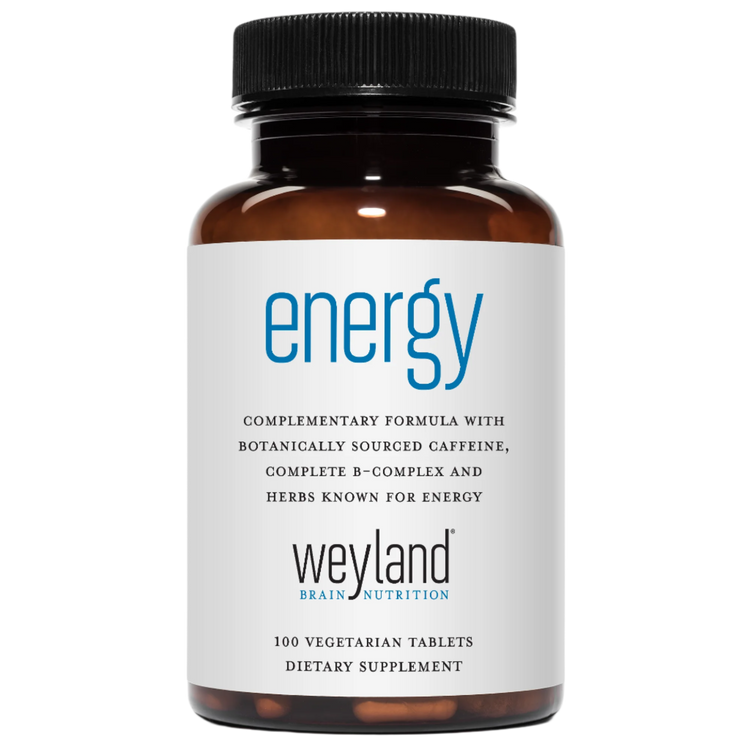
What Causes Low Energy?
Low energy usually comes from a mix of habits, missing nutrients, and poor rest rather than one single cause. The body converts food into fuel through a chain of steps, and understanding energy production makes it easier to see where things go wrong. The sections below break down the most common reasons people feel worn out.
Lifestyle Factors
Daily habits shape energy levels more than almost anything else. Skipping meals, sitting for hours, and leaning on caffeine or a sugary energy drink can spike your energy and then crash it. Intense physical exercise without enough rest or food can drain you further. A healthy lifestyle built on regular movement, a balanced diet, and steady sleep gives the body a stronger base to produce energy.
Nutrient Gaps
Missing key nutrients is one of the most overlooked reasons for low energy. When a diet falls short on iron, B vitamins, or vitamin D, cellular energy production slows and fatigue sets in. Certain conditions, such as inflammatory bowel disease, can make it harder for the body to absorb iron and other essential nutrients. A blood test from a healthcare professional can show whether an iron deficiency or low vitamin levels are part of the problem.
Stress and Sleep Quality
Ongoing stress and broken sleep wear down both mental and physical reserves. High stress keeps the body on alert, which can raise blood pressure and burn through fuel faster. Poor sleep then blocks the repair work that restores steady energy levels. Good stress management, paired with a calm bedtime routine, helps the body adapt and recover.

Which Vitamins Help With Energy?
A handful of vitamins stand out for their role in turning food into usable fuel. B vitamins, vitamin D, and iron-related nutrients each carry real weight. Here is how they support energy metabolism.
Vitamin B Complex
B vitamins help the body convert food into energy at the cellular level. A vitamin B complex includes all the B vitamins, such as B12, B6, and folic acid, which work together throughout energy metabolism. Vitamin B12 and folic acid also support red blood cell formation, and healthy red blood cells carry oxygen to muscles and the brain. A B-complex supplement can help when a diet lacks whole grains, plant-based foods, or animal sources rich in these energy vitamins.
Vitamin D Support
Vitamin D supports muscle function and overall health, and low levels often show up as tiredness. Vitamin D deficiency is linked to muscle weakness and low energy, especially in people who get little sunlight. Food sources are limited, so many people use dietary supplements to keep levels steady. A simple blood test can flag whether vitamin D is worth adding to a daily routine.
Iron and Energy Metabolism
Iron is central to energy because it helps blood carry oxygen through the body. Without it, the body cannot make enough red blood cells, and blood that carries oxygen poorly leaves you feeling tired. Eating iron-rich foods such as lean meat, beans, and leafy greens builds iron levels naturally, and pairing them with vitamin C helps the body absorb iron. When food is not enough, taking iron supplements under professional guidance can help restore healthy iron levels. High doses should only come from a healthcare professional, since too much iron is harmful.
Do Minerals Play a Role?
Minerals play a real role in how the body makes and manages energy. Beyond iron, magnesium and zinc keep cellular energy production running smoothly. Both are easy to overlook in a typical diet.
Magnesium Balance
Magnesium helps the body produce energy and relax tired muscles. It takes part in hundreds of reactions, including the ones that create cellular energy. A magnesium deficiency can cause muscle weakness, cramps, and a run-down feeling. Magnesium supplements, along with whole grains, nuts, and leafy greens, help restore balance and support steady energy levels.
Zinc and Cellular Function
Zinc supports the enzymes behind protein synthesis and healthy cell function. It helps the body build and repair lean muscle mass, which matters for anyone doing intense physical exercise or chasing better athletic performance. Low zinc can weaken the immune system and leave you feeling flat. A balanced diet with lean protein, seeds, and whole grains usually supplies enough of this essential mineral.
The Right Nutrients in One Simple Formula
Why buy dozens of separate bottles? We've combined energy-supporting herbs, adaptogens, and essential B vitamins into one targeted, convenient daily supplement.
Discover the Complete Formula
Which Herbs Boost Energy Naturally?
Several herbs can boost energy naturally by helping the body handle stress and stay alert. These herbal supplements fall under alternative and complementary medicine, and some have solid research behind them. Three stand out for daily energy support.
Adaptogens: Ashwagandha, Rhodiola
are herbs that help the body adapt to stress and fatigue. Ashwagandha may support a calmer response to daily pressure, which can protect your energy over time. Rhodiola is studied for stress resilience and may ease mental tiredness during busy stretches. Early research looks promising, though results still vary from person to person.
Green Tea Extract
Green tea extract offers a gentle lift thanks to a small, steady dose of caffeine. Unlike a strong energy drink, it releases energy more slowly, which can mean fewer jitters. It also contains plant compounds tied to focus and overall health. For many people, it is a mild way to boost energy levels throughout the day.
Ginseng
Ginseng is a traditional herb used to support stamina and physical and mental performance. Some studies suggest it may help fight fatigue and sharpen mental energy during demanding days. As part of complementary medicine, it has a long history of use for endurance. Quality and dose matter, so choose products from trusted brands.

How Do Supplements Compare to Caffeine?
Supplements and caffeine work in different ways, and the difference shows up in how you feel afterward. Caffeine gives a fast jolt, while many energy vitamins and minerals support a slower, more even supply of fuel. Here is how the two compare:
| Factor | Supplements | Caffeine |
|---|---|---|
| Energy pattern | B vitamins, iron, and magnesium help the body produce energy steadily across the day | Quick boost that peaks fast and often ends in a crash |
| Focus | Adaptogens and green tea extract offer calm alertness and steady mental performance | Sharp alertness that can turn jittery at high doses |
| Best for | Lasting stamina, paired with a healthy diet | A fast wake-up when you need it |
Knowing the trade-off helps you pick the right tool.
What Are the Best Daily Options?
Choosing a few reliable options makes a daily routine easier to stick with. Here are practical supplements often chosen for daily energy support:
-
B vitamins for metabolism and turning food into fuel
-
Magnesium for relaxation and energy balance
-
Green tea extract for gentle stimulation
-
Rhodiola for stress resilience
-
Ginseng for stamina
A balanced mix like this covers the main bases for most healthy adults and can help improve energy without a strong stimulant.
How Should You Choose the Right Supplement?
Choosing the right supplement comes down to quality, the right dose, and expert input. Not every product on the shelf earns its price, and some contain far less than the label claims. A few checks help you spend wisely:
-
Quality and transparency: Third-party testing and clear labels that list amounts, not vague blends, so you can see what you pay for.
-
Dosage and form: Follow label directions, take iron supplements with vitamin C to absorb iron more fully, and avoid high doses unless a professional advises you.
-
Professional guidance: A healthcare professional can test for gaps like iron or magnesium deficiency and suggest safe amounts, which matters most with a health condition or while on medication.
Can Supplements Support Mental Energy Too?
Supplements can support mental energy, not just physical stamina. Several vitamins and herbs feed the brain and steady mood, which helps you stay sharp. The link between nutrition and clear thinking is stronger than many people expect.
Focus and Concentration
Certain nutrients support focus and concentration by keeping brain cells well supplied. B vitamins support optimal nerve function, and vitamin B12 helps protect the signals that carry thought. Steady iron levels keep enough red blood cells moving oxygen to the brain, which supports the body's ability to think clearly. Together, these essential vitamins help hold attention through a long day.
Stress Adaptation
Adaptogens help the mind adapt to stress, which protects mental performance under pressure. Herbs such as ashwagandha and rhodiola may soften the drain that stress puts on focus. Better stress management leaves more room for calm, useful energy. Paired with rest, these herbal supplements support a clearer head.
What Safety Considerations Matter?
Safety matters because even natural supplements can act on the body in strong ways. Some affect medications, and others are not right for certain groups. A few precautions keep supplement use safe:
-
Interactions with medications: Share a full supplement list with a healthcare professional, since iron, magnesium, and some herbs can affect medicines, including those for high blood pressure.
-
Pregnancy and special conditions: Folic acid is often advised in pregnancy, but high doses of other nutrients may not be safe, and conditions like inflammatory bowel disease need tailored advice.
-
Importance of professional consultation: Check first if symptoms are ongoing, since a quick visit can confirm what the body needs and rule out anything risky.
Is It Time to Rethink Your Energy Routine?
Rethinking your energy routine starts with the whole picture, not just one pill. Steady energy grows from a healthy diet, good sleep, regular movement, and smart stress management, with the right vitamins and minerals filling real gaps. The best supplements for energy, from B vitamins and iron to magnesium and adaptogens, work best as part of a healthy lifestyle rather than a quick fix.
Check your habits, learn your nutrient needs, and choose quality products with care. Explore Weyland Energy Tablets to make informed, confident choices about the energy supplements that fit your life.
Ready to Rethink Your Energy Routine?
Stop running on empty. Upgrade your daily stamina and focus with Weyland Energy to comfortably power through whatever comes next.
Claim Your All-Day Energy Now
Frequently Asked Questions
What supplements are best for energy and focus?
B vitamins, iron, magnesium, and adaptogens like rhodiola are among the best supplements for energy and focus, since each supports energy metabolism and mental performance.
Can vitamins really help with fatigue?
Yes, vitamins such as B12, vitamin D, and iron can help fight fatigue when low levels are the cause, because they support red blood cells and cellular energy production.
Are herbal supplements safe for daily use?
Most herbal supplements like green tea extract and ginseng are safe for daily use in normal amounts, but check with a healthcare professional if you take medication.
How long do energy supplements take to work?
Energy supplements often take two to six weeks to show a clear effect, since the body needs time to rebuild nutrient levels and adapt.
Should I consult a doctor before starting supplements?
Yes, consulting a healthcare professional before starting supplements is wise, especially with a health condition, pregnancy, or high blood pressure.
References
-
Liao, L. Y., He, Y. F., Li, L., Meng, H., Dong, Y. M., Yi, F., & Xiao, P. G. (2018). A preliminary review of studies on adaptogens: comparison of their bioactivity in TCM with that of ginseng-like herbs used worldwide. Chinese medicine, 13, 57. https://doi.org/10.1186/s13020-018-0214-9
-
Rippe J. M. (2018). Lifestyle Medicine: The Health Promoting Power of Daily Habits and Practices. American journal of lifestyle medicine, 12(6), 499–512. https://doi.org/10.1177/1559827618785554
-
Shah, A. S., Pant, M. R., Bommasamudram, T., Nayak, K. R., Roberts, S. S. H., Gallagher, C., Vaishali, K., Edwards, B. J., Tod, D., Davis, F., & Pullinger, S. A. (2025). Effects of Sleep Deprivation on Physical and Mental Health Outcomes: An Umbrella Review. American journal of lifestyle medicine, 15598276251346752. Advance online publication. https://doi.org/10.1177/15598276251346752
-
Szymańska, A., Nowak, A., Lipert, A., & Kochan, E. (2024). Effect of Ginseng Supplementation on Exercise Endurance as a Support for Cardiovascular Disease Management: A Systematic Review and Meta-Analysis. Antioxidants (Basel, Switzerland), 14(1), 32. https://doi.org/10.3390/antiox14010032
Medical Disclaimer
The content on this page is for informational purposes only and is not intended as medical advice, diagnosis, or treatment. Always consult a qualified healthcare professional before making changes to your health regimen.
*These statements have not been evaluated by the Food and Drug Administration. Our products are not intended to diagnose, treat, cure, or prevent any disease.