Posted by GC Support
on July 22, 2026

Table of Contents
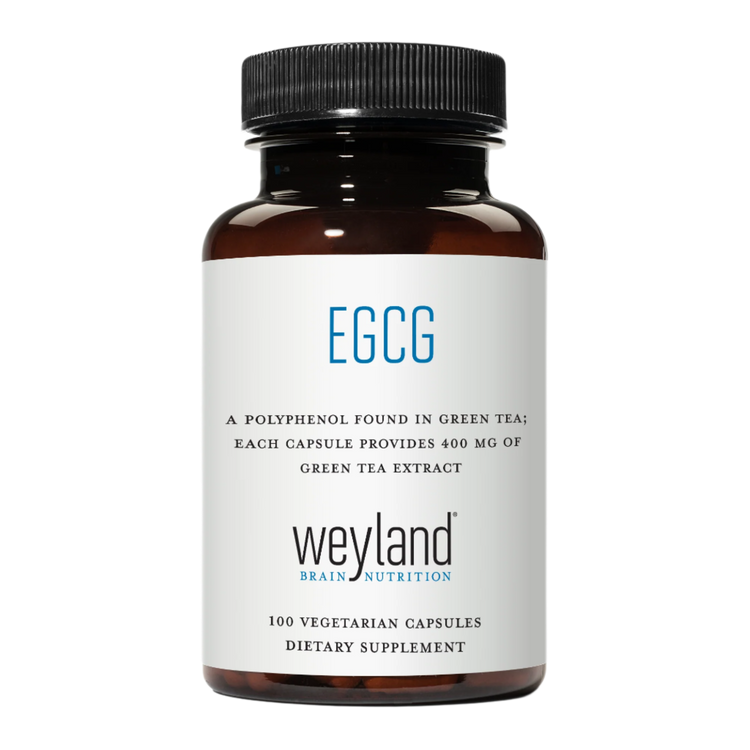
One standardized capsule can contain a catechin amount similar to roughly two to four cups of brewed green tea. The comparison is not exact because the tea variety, serving size, water temperature, and brewing time all change what ends up in each cup. Weyland’s formula, for example, provides 400 milligrams of green tea extract standardized to 50% epigallocatechin gallate, which equals 200 milligrams of EGCG per capsule.
A green tea extract supplement concentrates active plant compounds into a measured dose for adults who want antioxidant support without drinking tea throughout the day. Concentrated products deserve more care than an average cup because high doses, caffeine, and an empty stomach can increase the chance of adverse effects.
Weyland Brain Nutrition offers a third-party-tested, USA-made option with clearly stated standardization. The key is understanding what green tea extract does, who may find the format useful, and how to choose and take it sensibly.
Support Your Cellular Health Daily
Help defend your body from everyday environmental stressors with standardized EGCG.
Try Green Tea Extract Today
What Is a Green Tea Extract Supplement?
A green tea extract supplement is a concentrated source of compounds taken from green tea leaves. Most products focus on green tea polyphenols and green tea catechins from Camellia sinensis, the same plant used to make brewed green tea.
Unlike dried leaves placed in hot water, a tea extract delivers a measured amount in one of several capsule forms. A useful label explains the total extract amount, the active compound percentage, and other ingredients.
A Concentrated Polyphenol Source
Green tea extract places standardized polyphenols into a compact serving. These beneficial compounds occur naturally in tea, but an extract makes the amount easier to measure.
Many vegetarian capsules use hypromellose or vegetable cellulose instead of animal-based gelatin. The capsule material should appear in the other ingredients list.
EGCG, the Key Catechin
Epigallocatechin gallate, commonly abbreviated as EGCG, is one of the most abundant catechins in green tea and the compound most often studied. EGCG contributes to the antioxidant properties associated with the plant.
A percentage matters as much as the total extract weight. A 400-milligram tea extract supplement standardized to 50% EGCG provides 200 milligrams of EGCG, while an unstandardized product may not reveal the actual amount.
More Concentrated Than Brewed Tea
A standardized extract provides a more consistent serving than brewed green tea. Catechin levels in a cup change with the leaves, water temperature, brew time, and serving size.
A Supplement Facts panel should list the same amount per serving from one batch to the next. This consistency is one reason some adults choose supplements instead of relying only on drinking tea.

What Does Green Tea Extract Do?
Green tea extract supplies polyphenols that act as antioxidants in the body. The clearest potential health benefits involve antioxidant protection and support for normal cellular function.
Claims involving weight management, blood pressure, blood sugar, cholesterol levels, heart health, brain health, cognitive function, skin health, lipid oxidation, or exercise performance require evidence relevant to the exact product. A green tea extract supplement should not claim to treat nonalcoholic fatty liver disease, high blood pressure, heart disease, prostate cancer, liver disease, or another medical condition.
Green tea extract is also not a proven weight loss, muscle building, or life extension product. Dietary supplements cannot replace medical care, a balanced diet, sleep, movement, or other habits that support overall health. FDA and Federal Trade Commission guidance requires that health-related claims be truthful, substantiated, and free of implied disease-treatment promises.
Everyday Antioxidant Support
Green tea polyphenols help neutralize free radicals produced during normal metabolism and daily environmental exposure. This antioxidant protection supports the body’s normal defenses rather than curing or preventing disease.
Antioxidant capacity can vary between products. Standardized extracts make it easier to compare the amount of polyphenols and EGCG in each serving.
A Role in Cellular Health
Antioxidants support normal cell function by helping the body manage everyday oxidative stress. This role relates to general health and cellular maintenance, not a promise to repair damage or alter medical risk factors.
Weyland describes the product as supporting overall cellular health through antioxidant polyphenols. That structure/function framing avoids suggesting that the supplement can diagnose, treat, cure, or prevent disease.
A Simple Once-a-Day Format
A standardized capsule removes the need to brew, measure, and drink several cups of tea. It also provides the same amount each day when taken as directed on the label.
Weyland’s suggested use is one capsule daily with a meal. This once-a-day format can make taking green tea extract easier to fit into a regular routine.
Who Should Consider Green Tea Extract?
Green tea extract tends to fit a few types of adults:
-
People who want steady antioxidant support but rarely drink green tea.
-
Adults who prefer a consistent, measured dose over the changing amount in an average cup.
-
People looking for plant-based supplements in a vegetarian capsule.
-
Adults who read labels and want a caffeine-conscious choice.
-
People who prefer one capsule over tea, coffee, or several drinks during the day.
Green tea contains caffeine and the amino acid L-theanine, but an extract may not retain the same amount of either compound. Green tea caffeine can provide a mild energy boost, but it may also cause jitters or affect sleep in sensitive adults. Some botanical supplement labels do not clearly state the total amount of caffeine, so contacting the manufacturer may be necessary.
Pregnant or nursing adults, people taking certain medications, and anyone with liver function concerns or another health condition should speak with a clinician before use.
Support Your Cellular Health Daily
Help defend your body from everyday environmental stressors with standardized EGCG.
Try Green Tea Extract Today
How Do You Take It Safely?
Safe use starts with three habits: follow the label, take the capsule with food, and avoid stacking several catechin products. These steps reduce guesswork and may lower the chance of stomach discomfort.
Caffeine also matters. A caffeinated formula taken late in the day may lead to nervousness, jitters, or sleep disruption.
Best Taken With Food
Take green tea extract with a meal because food is gentler on the stomach. Empty-stomach use may increase nausea, upset stomach, and safety concerns linked with concentrated green tea catechins.
Rare cases of liver injury have been reported among people using concentrated green tea extracts, especially in capsule or tablet form. Evidence also suggests that taking an extract while fasting may increase the risk. Stop use and seek medical advice for dark urine, yellowing of the skin or eyes, or unusual abdominal pain.
Sensible Daily Amounts
No single dose applies to every green tea extract supplement because standardization varies how much EGCG each capsule provides. Follow the product label and avoid combining several supplements that contain green tea catechins.
Weyland provides 400 milligrams of green tea leaf extract standardized to 95% polyphenols and 50% EGCG. That formula supplies 200 milligrams of EGCG per capsule, with a suggested use of one capsule daily with a meal.
More is not better. European Food Safety Authority reviewers found liver enzyme concerns with supplemental intakes of 800 milligrams of EGCG per day or more, but no universal safe lower limit could be established for everyone. That finding does not mean that any amount below 800 milligrams is automatically safe.
When to Check With a Clinician
Ask a clinician before use when prescriptions, pregnancy, nursing, liver disease, abnormal liver function, or other personal risk factors apply. Green tea may interact with certain medications, and caffeine may affect sleep, blood pressure, or the stomach in sensitive adults.
A green tea extract supplement is not meant to treat high blood pressure, change blood sugar, manage cholesterol levels, or replace care for heart disease or another medical condition.

How Do You Choose a Quality Supplement?
A few label details separate a well-documented supplement from a vague formula:
-
A clear EGCG and polyphenol percentage on the Supplement Facts panel.
-
Third-party testing or a current Certificate of Analysis.
-
A standardized extract, so potency stays consistent from batch to batch.
-
Production in an FDA-registered facility that follows current Good Manufacturing Practice.
-
A vegetarian capsule with a short ingredient list, such as hypromellose, rice powder, or vegetable cellulose.
-
Clear allergen information, especially for anyone avoiding tree nuts or other food allergens.
-
A stated caffeine amount or a clear decaffeinated claim when caffeine is a concern.
FDA registration does not mean FDA approval. The Food and Drug Administration does not approve dietary supplements for safety and effectiveness before sale, although manufacturers must follow labeling and quality rules. Current Good Manufacturing Practice sets requirements for manufacturing, packaging, labeling, and quality control.
Weyland Brain Nutrition lists 400 milligrams of green tea extract, 95% polyphenols, 50% EGCG, a vegetarian capsule, third-party testing, and USA manufacturing with globally sourced ingredients in an FDA-registered, current Good Manufacturing Practice-compliant facility.
Is Green Tea Extract Worth a Spot in Your Routine?
A green tea extract supplement can provide measured antioxidant protection and support normal cellular health for adults who do not regularly drink green tea. The format may suit people who value consistency, convenience, and a plant-based capsule.
Take it with food, follow the label, and choose a standardized product backed by quality testing. Review Weyland Brain Nutrition’s EGCG from Green Tea Extract and decide whether the formula fits the daily routine.
Upgrade Your Wellness Routine
Choose a third-party tested, carefully standardized green tea extract for reliable plant-based support.
Get Your Green Tea Extract
Frequently Asked Questions
Is green tea extract safe to take every day?
Green tea extract may be used daily by many healthy adults when taken with food and within the label amount, but anyone with liver concerns, pregnancy, nursing, or medication use should ask a clinician first.
Does green tea extract contain caffeine?
Many green tea extracts contain caffeine unless a product is decaffeinated, so check the Supplement Facts panel or contact the brand when the exact amount is not listed.
When is the best time to take green tea extract?
Take green tea extract with a daytime meal, especially if the formula contains caffeine, which can cause jitters or affect sleep.
Can you take green tea extract on an empty stomach?
Taking green tea extract on an empty stomach is not advised because food may reduce stomach upset and safety concerns linked with concentrated catechins.
What is the difference between green tea extract and EGCG?
Green tea extract contains several compounds from Camellia sinensis, while EGCG is one specific catechin found within the extract.
References
-
Cotter, J., Caddick, C. E., Harper, J. L., & Ebajemito, J. K. (2026). Examining the effect of L-theanine on sleep: a systematic review of dietary supplementation trials. Nutritional neuroscience, 29(2), 224–238. https://doi.org/10.1080/1028415X.2025.2556925
-
EFSA Panel on Food Additives and Nutrient Sources Added to Food (ANS). (2018). Scientific opinion on the safety of green tea catechins. EFSA Journal, 16(4), Article 5239. https://doi.org/10.2903/j.efsa.2018.5239
-
Grajecki, D., Ogica, A., Boenisch, O., Hübener, P., & Kluge, S. (2022). Green tea extract-associated acute liver injury: Case report and review. Clinical liver disease, 20(6), 181–187. https://doi.org/10.1002/cld.1254
-
Niu, L., Luo, Y., Xie, W., Wang, C., & Liu, Z. (2026). Dietary (-)-Epigallocatechin Gallate (EGCG): State-of-the-Art Advances in Bioactivities, Bioavailability Enhancement Strategies, and Applications in Nutrition and Health. Nutrients, 18(2), 317. https://doi.org/10.3390/nu18020317
-
Prasanth, M. I., Sivamaruthi, B. S., Chaiyasut, C., & Tencomnao, T. (2019). A Review of the Role of Green Tea (Camellia sinensis) in Antiphotoaging, Stress Resistance, Neuroprotection, and Autophagy. Nutrients, 11(2), 474. https://doi.org/10.3390/nu11020474
Medical Disclaimer
The content on this page is for informational purposes only and is not intended as medical advice, diagnosis, or treatment. Always consult a qualified healthcare professional before making changes to your health regimen.
*These statements have not been evaluated by the Food and Drug Administration. Our products are not intended to diagnose, treat, cure, or prevent any disease.