Posted by GC Support
on October 14, 2026

Table of Contents
Is folic iron? Folic acid and iron often share a pill, a prescription, and a line on the same blood test. No wonder so many people ask if folic acid is iron. Folic acid isn't iron, though. It's a B vitamin, while iron is a mineral.
At Weyland Brain Nutrition, knowing what's in a supplement matters as much as taking one, and that starts with knowing the nutrients themselves. Mixing them up can mean taking the wrong supplement for the wrong reason, so it pays to know what each one does and how a shortage shows up.
KNOW YOUR NUTRIENTS BEFORE YOU CHOOSE
Folic acid on the label does not mean iron is inside. Weyland Motivation! Herbal Caffeine + Energy combines folic acid and vitamin B12 with caffeine, but contains no iron. Meet an energy blend, not an iron supplement.
Meet Weyland Motivation!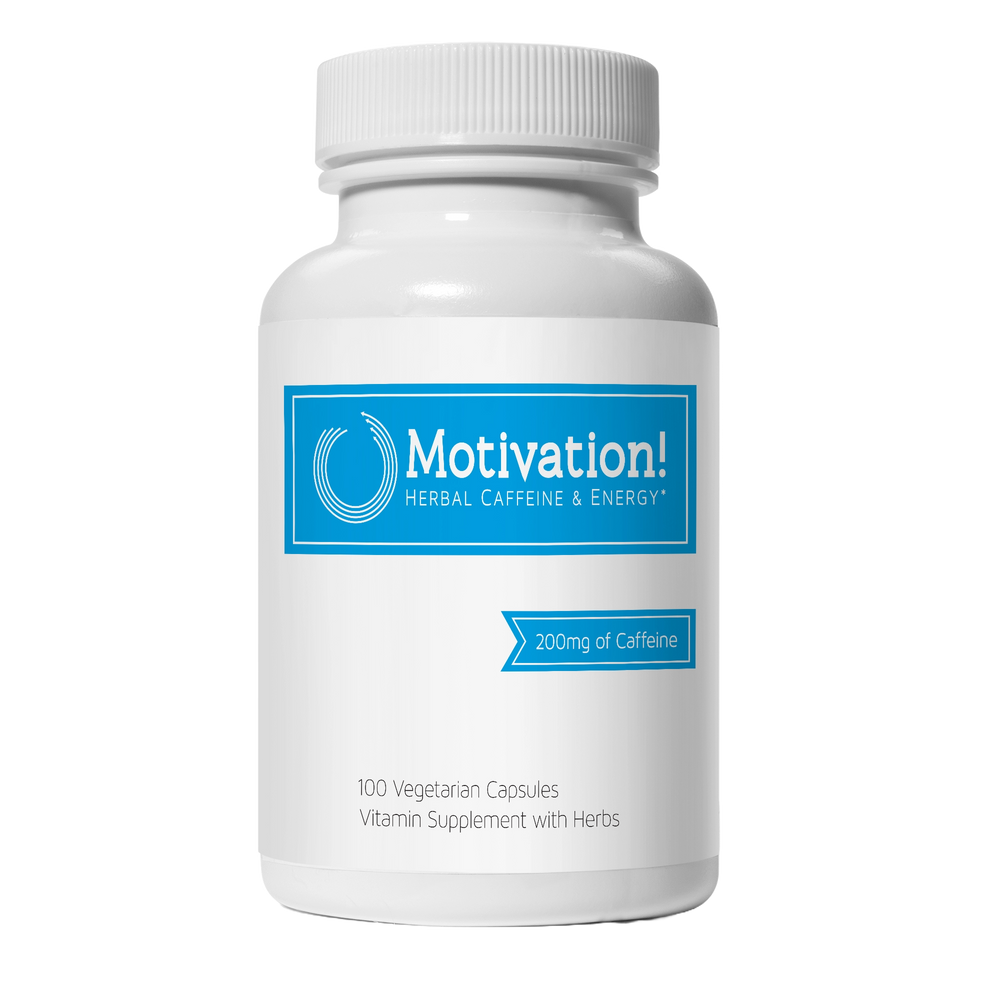
Is Folic Acid Iron?
Folic acid is a man-made form of folate, or vitamin B9, while iron is a mineral. The two nutrients work in different ways, yet they often appear side by side on labels and in medical advice.
A B Vitamin, Not a Mineral
Vitamins are made by plants and animals, while minerals come from soil and water and end up in food. In human nutrition, the body needs both types of nutrients, but it uses them for different jobs.
Two Nutrients, Often Paired
Both support healthy blood, and prenatal vitamins usually contain both. Enriched flour in the U.S. and Canada carries both too. Folic acid was added in 1998 as a public health step aimed at lowering the risk of neural tube defects, a type of birth defect. That constant pairing is the main reason people confuse them.

What Do Folic Acid and Iron Do?
Folic acid helps the body make DNA (deoxyribonucleic acid) and new cells, while iron helps carry oxygen through the blood. Both are needed to make healthy blood, but each handles a different step.
Folic Acid for DNA and New Cells
Folate helps cells divide and grow. That process never stops in the blood, skin, and gut lining, which replace old cells with new ones every day.
Iron for Oxygen Transport
Iron is a key part of hemoglobin, the protein in red blood cells that carries oxygen to muscles and organs. About 70% of the body's iron is found in hemoglobin and in myoglobin, a related protein in muscle.
Shared Support for Red Blood Cells
Folate helps red blood cells mature properly, and iron fills them with hemoglobin. Vitamin B12 also plays a part, so a shortage of any one of the three can affect blood health.
How Do Deficiency Signs Differ?
Low folate and low iron cause similar symptoms, such as tiredness and weakness. A few signs point more toward one than the other, though only a blood test can confirm which is low.
| Sign | Low Folate | Low Iron |
|---|---|---|
| Tiredness and weakness | Common | Common |
| Shortness of breath | Possible | Possible |
| Sore, red, or smooth tongue | More common | Possible |
| Mouth sores | More common | Less common |
| Pale skin | Possible | More common |
| Brittle or spoon-shaped nails | Rare | More common |
| Craving ice or non-food items | Rare | More common |
| Cold hands and feet | Less common | More common |
Signs More Common with Low Folate
Mouth sores and a sore, red tongue tend to point toward low folate. Some people also notice irritability or trouble concentrating.
Signs More Common with Iron Deficiency
Iron deficiency more often shows up as pale skin, brittle nails, and cold hands and feet. An unusual craving for ice is another common clue.
Overlapping Signs from Anemia
Both shortages can lead to anemia, a condition where the body has too few healthy red blood cells. That shared result is why tiredness and shortness of breath show up with both. The cells affected look different, though.
Low folate tends to produce large, immature red blood cells, while low iron tends to produce small, pale ones. A doctor should check any symptoms that last more than a few weeks, and for tiredness that isn't tied to nutrient levels, these natural ways to raise energy can help.
CHECK THE FOLATE. DON’T MISS THE CAFFEINE.
Motivation! provides 400 mcg of folic acid and 200 mg of caffeine per serving, with no iron. See how the full formula compares with your current routine. It is not a treatment for anemia or a substitute for checking a suspected deficiency.
Review The Full Formula
How Can You Tell Which One Is Low?
A simple blood test is the only reliable way to know which nutrient is low. Guessing based on symptoms alone can lead to taking the wrong supplement for months.
A Complete Blood Count
A complete blood count (CBC) is performed on a small blood sample collected from the arm. It shows the number and size of red blood cells, and hemoglobin (Hb) is measured in grams per deciliter of blood. Cell size, reported as mean corpuscular volume (MCV), is calculated as part of the test. Large cells observed on a CBC point toward low folate or B12, while small cells point toward low iron.
Ferritin and Folate Levels
Ferritin shows how much iron the body has stored, and it often drops before Hb does. A separate test checks folate levels in the blood. Doctors compare these results to a normal range, so ask to have the results explained, including the details behind any number considered borderline.
A B12 Check Too
Low B12 can look like low folate on a blood test, since both cause large red blood cells. High folic acid intake can also hide low B12. This overlap is well understood, so doctors often test both at the same time. B12 is also one of several vitamins linked to everyday tiredness.

Can You Take Folic Acid and Iron Together?
Most adults can take folic acid and iron together, and many prenatal and multivitamin formulas already combine the two. A few simple habits can help the body absorb more iron from each dose.
Safe to Combine for Most Adults
Folic acid supplementation doesn't interfere with iron, and iron doesn't block folic acid. Still, iron supplements shouldn't be taken without a real need, since extra iron can build up in the body.
Adult men need about 8 milligrams (mg) of iron a day, compared with 18 mg for women ages 19 to 50, so many men and postmenopausal women get enough from diet alone. Iron pills can also upset the stomach, and those side effects are a common reason compliance drops off after a few weeks.
Better Iron Absorption with Vitamin C
Vitamin C helps the body absorb iron from plant foods and supplements. A glass of orange juice or a side of peppers with an iron-rich meal can increase how much iron the body takes in.
Less Iron Absorbed with Coffee and Tea
Research shows coffee, tea, and calcium can lower iron absorption. People taking iron may want to space it an hour or more from caffeinated drinks, caffeine supplements, and dairy.

Who Is More Likely to Run Low?
Diet, age, and health habits are the main factors behind low folate and iron levels. Anemia is common around the world, and World Health Organization (WHO) data show it affects about 40% of children under age 5 and 37% of pregnant women. WHO has long estimated that iron deficiency causes about half of those cases, though the share varies by region.
Some groups are more likely to fall short:
-
Women with heavy periods: lose more iron with each period
-
Pregnant women: need more of both nutrients, and previous studies link iron deficiency anemia in pregnancy to a higher risk of low birth weight
-
Vegetarians and vegans: absorb less iron from plant foods
-
Frequent blood donors: lose iron with each donation
-
People who drink heavily: may absorb less folate
-
People with very limited diets: may miss both nutrients
Tired for No Clear Reason?
Folic acid and iron are different nutrients with different jobs, even though they often travel together. Shared symptoms make guessing risky, so a blood test is the important first step and worth checking if tiredness lasts more than a few weeks.
For people whose levels come back normal and who want daily energy support, Weyland Motivation! Herbal Caffeine + Energy provides 400 micrograms (mcg) of folic acid, vitamin B12, and other B vitamins per serving. It contains no iron and includes 200 mg of caffeine, and people who are pregnant or breastfeeding should check with a doctor first, as the label advises.
Get the numbers first, then pick the support that fits.
MAKE YOUR NEXT CHOICE AN INFORMED ONE
Decided that B vitamins plus caffeine fit your routine? Shop Weyland Motivation! Herbal Caffeine + Energy in a convenient capsule format. Follow the label directions, count caffeine from all sources, and discuss unexplained tiredness with a healthcare provider rather than covering it up.
Shop Weyland Motivation!
Frequently Asked Questions
Is folic acid good for anemia?
Folic acid only helps when low folate is the reason for anemia, so the cause has to be determined with testing first, since iron deficiency anemia or low B12 needs a different approach.
Can folic acid raise hemoglobin levels?
Folic acid can raise Hb only when low folate is holding it down, and if lab findings show iron is the problem, folic acid alone won't fix it.
Should pregnant women take folic acid and iron?
Both nutrients are of special interest in pregnancy, so most prenatal vitamins contain them, and the CDC (Centers for Disease Control and Prevention) advises 400 mcg of folic acid daily, with a doctor guiding other doses.
What foods are high in both folate and iron?
Spinach, lentils, chickpeas, black-eyed peas, and fortified breakfast cereals supply both, and pairing them with vitamin C foods like peppers or citrus helps the body absorb more iron.
What time of day should you take iron and folic acid?
Iron is absorbed best on an empty stomach, though a light meal can ease stomach upset, while folic acid works at any time of day, so pick a time that's easy to remember.
References
-
Juarez-Vazquez, J., Bonizzoni, E., & Scotti, A. (2002). Iron plus folate is more effective than iron alone in the treatment of iron deficiency anaemia in pregnancy: A randomised, double blind clinical trial. BJOG: An International Journal of Obstetrics and Gynaecology, 109(9), 1009–1014. https://doi.org/10.1111/j.1471-0528.2002.01378.x
-
National Institutes of Health, Office of Dietary Supplements. (2023, August 17). Iron: Fact sheet for consumers. https://ods.od.nih.gov/factsheets/Iron-Consumer/
-
Piskin, E., Cianciosi, D., Gulec, S., Tomas, M., & Capanoglu, E. (2022). Iron absorption: Factors, limitations, and improvement methods. ACS Omega, 7(24), 20441–20456. https://doi.org/10.1021/acsomega.2c01833
-
Rader, J. I. (2002). Folic acid fortification, folate status and plasma homocysteine. The Journal of Nutrition, 132(8 Suppl.), 2466S–2470S. https://doi.org/10.1093/jn/132.8.2466S
-
World Health Organization. (2025, February 10). Anaemia [Fact sheet]. https://www.who.int/news-room/fact-sheets/detail/anaemia
Medical Disclaimer
The content on this page is for informational purposes only and is not intended as medical advice, diagnosis, or treatment. Always consult a qualified healthcare professional before making changes to your health regimen.
*These statements have not been evaluated by the Food and Drug Administration. Our products are not intended to diagnose, treat, cure, or prevent any disease.