Posted by GC Support
on June 10, 2026

Show more8:37 AMClaude responded: htmlhtml


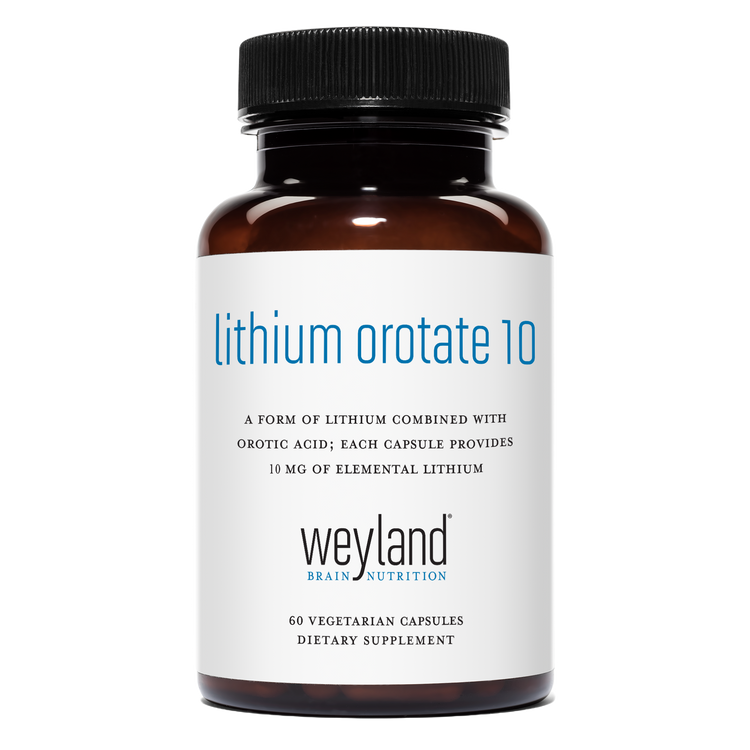


Table of Contents
Flipping a supplement bottle over to read the warning label is just common sense. Finding out about the side effects of lithium orotate remains a top priority for anyone exploring new options to support mood and overall wellness. You might read generic drug information online and instantly worry about the heavy impacts associated with prescription medications used for bipolar disorder or other mental disorders. That cautious reaction is completely normal. However, low doses of this trace mineral work very differently in the central nervous system.
You deserve to know the clear difference between nutritional supplements and high-dose clinical treatments. Weyland Brain Nutrition provides third-party-tested products and publishes honest facts to help you make informed choices safely.
Want the Honest Facts First?
Weyland's lithium orotate is third-party-tested with clear, low-dose labeling, so you know exactly what is in every capsule before you start.
See the Range
What Is Low-Dose Lithium Orotate?
Low-dose lithium orotate is a dietary supplement containing lithium bound to orotic acid designed to support cognitive health. The side-effect picture depends heavily on the dose you take, so it helps to define what "low-dose" actually means in this specific context. Looking at the numbers shows exactly how this supplement functions compared to other forms on the market.
A Trace Mineral in Small Amounts
Lithium is a naturally occurring element found in water, soil, and virtually all rocks across the globe. Some regions even rely on food fortification to ensure people get enough of this mineral through normal dietary intakes. In nutritional products, sometimes referred to globally as orotate de lithium, you only receive trace amounts of elemental lithium. These over-the-counter options supply just a few milligrams or micrograms to gently promote emotional wellness.
Far Below Prescription Levels
Nutritional doses stay a small fraction of the massive amounts found in a prescription lithium treatment. Medical professionals use high doses of lithium carbonate or lithium citrate (also known as citrate de lithium) to fix chemical imbalances and manage severe psychiatric conditions. Because over-the-counter supplements provide so little elemental lithium, the potential risks differ completely from heavy prescription drugs. You simply are not taking clinical amounts.
Does Lithium Orotate Cause Side Effects?
When taken at low and nutritional doses, lithium orotate is generally considered safe and well tolerated. Some people do report mild and temporary effects while the body adjusts to the supplement. While long-term safety studies are lacking, careful monitoring helps manage these common responses:
-
Mild stomach upset or nausea, especially when taken on an empty stomach.
-
Slight sedation, drowsiness, or a feeling of being more relaxed than expected.
-
A mild headache when first starting the routine.
-
A faintly metallic or off taste with liquid forms.
-
Occasional tiredness, minor acne, or a slight tremor in rare cases.
These effects of lithium are typically mild. Individual responses vary widely depending on personal health care factors. Research explores how this mineral supports overall cognitive wellness, whereas heavy medical interventions target specific conditions like alzheimer's disease.
For example, studies on the rat brain show it might help stabilize neurotransmitter levels. Exceeding recommended amounts, however, increases side effect risks significantly. Taking too much lithium leads to high lithium levels, which can cause symptoms of lithium toxicity like severe nausea and shaky movements.
Low and Slow, Done Right
Start gentle with a dose that fits your routine. Weyland offers clearly labeled low-dose options, all tested for purity and accuracy.
Find a Low Dose
Who Should Be Cautious With Lithium Orotate?
Just because a supplement is widely tolerated does not mean it fits everyone perfectly. Certain underlying health conditions and biological factors require a much closer look before taking lithium. Reviewing these precautions helps ensure you avoid unwanted complications down the road.
People With Kidney or Thyroid Concerns
The human body relies heavily on healthy kidney function to filter and process minerals safely. Long-term treatment or excessive lithium concentrations can negatively impact renal health and cause frequent urination or irregular heart rhythms. Anyone dealing with kidney disease, thyroid disease, or other thyroid problems must seek professional medical advice before starting.
Those on Medications or Other Lithium
Lithium works by interacting with various chemical messengers in the brain. It can cause serious side effects when combined with certain medications like nonsteroidal anti-inflammatory drugs, ACE inhibitors, or calcium channel blockers. If you take serotonergic drugs to increase serotonin, combining them might trigger serotonin syndrome. That is a dangerous condition involving the brain chemical called serotonin.
Prescription drugs that prevent seizures affect chemicals in the brain much differently, and combining them with supplements requires extreme caution. Lithium use also changes how long muscle relaxants work during surgical procedures, so you must inform your doctor about all other drugs you take.
During Pregnancy or Breastfeeding
Maternal lithium use carries significant perinatal implications and potential birth defects. Trace amounts can easily enter breast milk and affect a developing infant. Due to limited toxicological evaluation and epidemiological observation, it is advised to avoid taking lithium supplements if pregnant or nursing.
While some clinical settings note that children usually start with a dose of 2.5-5 mg daily for specific medical treatments, children should not take lithium orotate due to safety concerns without direct medical supervision.
How Can You Lower the Chance of Side Effects?
Building a consistent schedule helps maximize the potential benefits while minimizing any adverse reactions. A few practical steps help keep a low-dose routine smooth and comfortable:
-
Adults typically start with 5-10 mg daily and may increase in divided doses every 1-2 weeks based on tolerance.
-
Do not exceed the maximum recommended dose of 30 mg daily without direct supervision from a health care professional.
-
Take the supplement with food or in the evening for best results and to prevent stomach upset.
-
Pay attention to how much sodium you consume, as decreasing sodium can unexpectedly raise lithium levels in the blood.
-
Choose a third-party-tested product, like Weyland Brain Nutrition's supplements, to ensure the label matches the contents.
-
Consult a healthcare provider immediately if you experience muscle weakness or other signs of severe adverse reactions.
Lithium orotate is classified as a dietary supplement and is not strictly regulated by the FDA, although low doses are generally considered safe. Discussing your routine with a healthcare professional ensures you safely support mood and avoid severe complications like high blood pressure or unexpected medication interactions.
Worth a Closer Look?
At low and nutritional doses, lithium orotate is generally well tolerated and presents mostly mild effects. Starting with a low-and-slow approach alongside input from a healthcare professional keeps your wellness routine sensible and secure. You can explore Weyland Brain Nutrition's third-party-tested lithium orotate options to pick a dose that perfectly fits your daily schedule. Remember to consult a doctor before making any changes to your supplement routine.
Choose a Supplement You Can Trust
Explore Weyland's full range of third-party-tested lithium orotate and brain wellness supplements, made with clear labels and honest information.
Shop All Supplements
Frequently Asked Questions
Is lithium orotate safe at low doses?
Low doses of lithium orotate are generally considered safe and well tolerated, though specific groups should seek professional guidance before starting.
What are the most common side effects of lithium orotate?
Users occasionally experience mild stomach upset, slight drowsiness, or a temporary headache when first starting the supplement.
Can you take lithium orotate every day?
Many people take low doses daily to support a calm, balanced mood as part of a routine, provided they maintain consistency and consult a healthcare provider for ongoing use.
Does lithium orotate need blood test monitoring?
While strict monitoring is usually required for high-dose prescription treatments, a healthcare professional can advise if testing is needed for your specific nutritional routine.
Does lithium orotate interact with medications?
It can interact with mood medications, pain relievers, and blood pressure drugs, making professional medical advice essential before use.
References
-
Gildengers, A. G., Ibrahim, T. S., Anderson, S. J., Emanuel, J. E., Santini, T., Diaz, J. L., Lopresti, B. J., Royse, S. K., Lopez, O. L., Zeng, X., de Almeida, B., Alkhateeb, S. K., Chu, C., Karikari, T. K., Lee, L., Weinstein, A. M., & Butters, M. A. (2026). Low-Dose Lithium for Mild Cognitive Impairment: A Pilot Randomized Clinical Trial. JAMA neurology, 83(4), 310–319. https://doi.org/10.1001/jamaneurol.2026.0072
-
Pacholko, A. G., & Bekar, L. K. (2021). Lithium orotate: A superior option for lithium therapy?. Brain and behavior, 11(8), e2262. https://doi.org/10.1002/brb3.2262
-
Sangvijitr, V., Srisuma, S., Chittaropas, P., & Iamrahong, P. (2026). Lithium-associated adverse drug reactions: Characteristics, possible etiologies, and preventability. Clinical Toxicology. Advance online publication. https://doi.org/10.1080/15563650.2026.2685018
-
Török, A. I., Moldovan, A., Levei, E. A., Cadar, O., Tănăselia, C., & Moldovan, O. T. (2021). Assessment of Lithium, Macro- and Microelements in Water, Soil and Plant Samples from Karst Areas in Romania. Materials (Basel, Switzerland), 14(14), 4002. https://doi.org/10.3390/ma14144002
Medical Disclaimer
The content on this page is for informational purposes only and is not intended as medical advice, diagnosis, or treatment. Always consult a qualified healthcare professional before making changes to your health regimen.
*These statements have not been evaluated by the Food and Drug Administration. Our products are not intended to diagnose, treat, cure, or prevent any disease.