Posted by GC Support
on October 10, 2026

Table of Contents
Coffee smells like the best part of the morning. For some people, the next 30 minutes bring a sour stomach, heartburn, or a sudden dash to the bathroom. That leaves a fair question in the caffeine pills vs. coffee debate: would the same caffeine in a pill feel any different?
At Weyland Brain Nutrition, the belief is simple: the best caffeine routine is one the body can live with. The answer depends less on caffeine itself and more on everything else that comes with a cup of coffee.
COFFEE NOT AGREEING WITH YOU?
Considering a change from your morning cup? Meet Weyland Motivation! Herbal Caffeine + Energy, a capsule option with 200 mg of caffeine per two-capsule serving. Start with the label before deciding what fits your day.
Meet Weyland Motivation!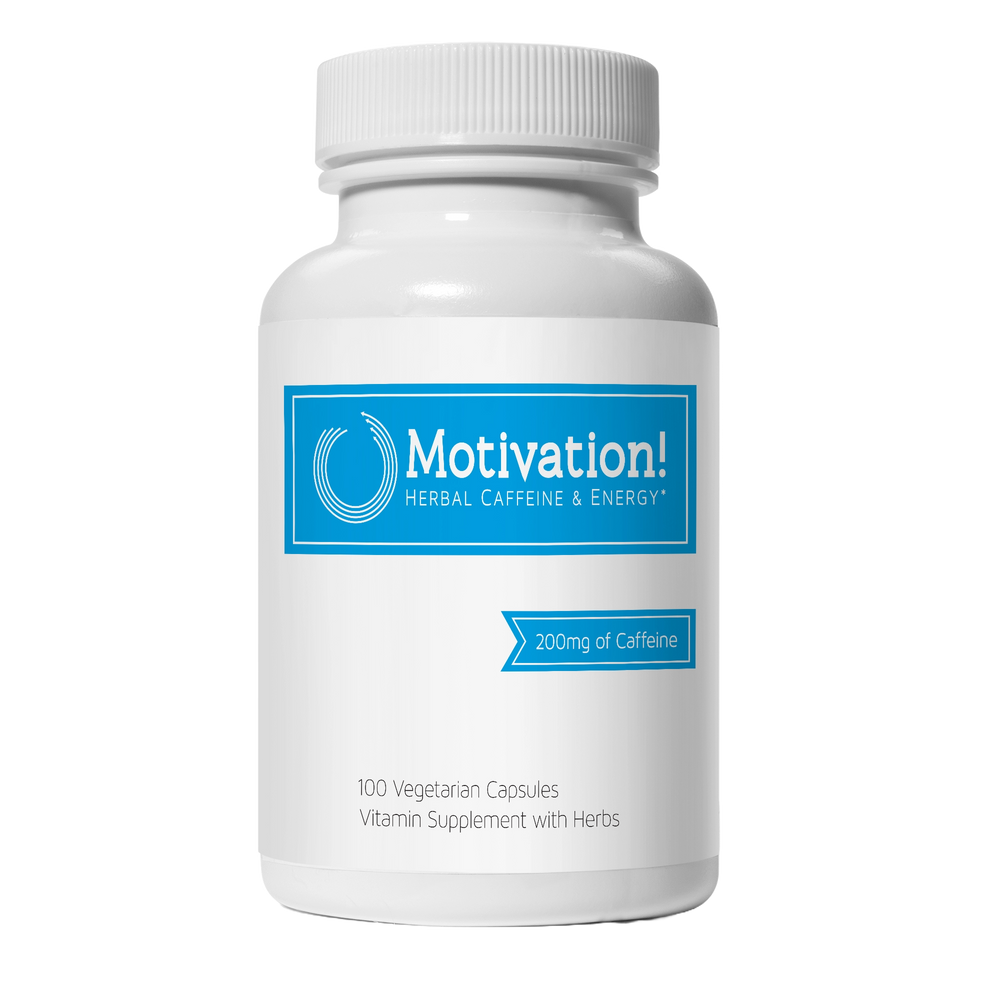
Why Does Coffee Upset Some Stomachs?
Coffee's effect on the stomach isn't only about caffeine. Research shows even decaf can raise stomach acid, which points to other compounds in roasted beans. Add-ins and timing play a part too.
More Than Just Caffeine
Roasted coffee contains hundreds of natural compounds. Some of them, not just caffeine, may prompt the stomach to release more acid, which helps explain why decaf still bothers some drinkers.
Extra Stomach Acid
Drinking coffee can increase acid production in some people. Coffee can also blunt appetite, which makes it easy to skip breakfast and drink it on an empty stomach. That's when a sour or burning feeling tends to show up. Reactions vary widely, though, and a 2014 meta-analysis found no clear link between coffee and heartburn-related symptoms across large groups of people.
A Push on the Digestive Tract
Coffee can stimulate the colon within minutes for some drinkers. In one study, caffeinated coffee stimulated the colon about 60% more than water and 23% more than decaf. Caffeine plays a role, but decaf still has some effect.
Milk, Sugar, and Sweeteners
Add-ins can cause separate problems. Milk bothers people who are sensitive to lactose, and some sugar alcohols can upset digestion. These show up in many sugar-free products, including some sugar-free energy drinks.

Are Caffeine Tablets Gentler on Digestion?
For many people, caffeine tablets may feel easier on the stomach because they deliver caffeine without the rest of the coffee bean. They aren't a guaranteed fix, though, since caffeine is still a stimulant.
Fewer Stomach-Stirring Compounds
Most caffeine tablets use caffeine anhydrous, a dry, powdered form of caffeine. A pill skips the roasted coffee compounds linked to extra acid. Unlike coffee or energy drinks, it also comes without hot liquid, cream, or sugar.
Still a Stimulant
Caffeine is a drug that acts on the brain by blocking adenosine, a chemical the body produces that builds the feeling of fatigue. Blood levels usually peak within about an hour. Caffeine alone can still trigger nausea or an upset stomach in sensitive people, and ingesting a large dose at once can raise heart rate or add to anxiety.
Best Taken with Food
Taking caffeine pills with a meal may help reduce stomach discomfort. Many labels, including Weyland's, suggest taking a caffeine supplement with food.
KNOW WHAT COMES WITH YOUR CAFFEINE
Motivation! pairs guarana-sourced caffeine with B vitamins, green tea extract, and L-theanine. Review the full formula and serving directions before switching. Caffeine can still cause stomach discomfort, so a capsule is not a guaranteed gentler choice.
See Ingredients & Directions
Caffeine Pills vs. Coffee: What's the Difference?
The caffeine molecule is the same in both, so the effect on alertness, reaction time, and concentration is the same too. Dose, extras, and daily routine are where caffeine pills and coffee differ in ways that matter.
| Factor | Caffeine Pills | Brewed Coffee |
|---|---|---|
| Caffeine per serving | Exact, usually 100 to 200 mg | Varies, about 80 to 100 mg per 8 oz |
| Other bean compounds | None | Hundreds, including acids and antioxidants |
| Add-ins | None | Often milk, sugar, or sweeteners |
| Taste and ritual | None | A big part of the appeal |
| Portability | Easy to carry | Needs brewing or a café |
Exact Caffeine Content in Every Pill
Coffee's caffeine shifts with the beans, the roast, and the brew method, so the same mug can vary from day to day. A pill lists the exact dosage, which makes tracking daily caffeine intake easier. One 200 mg tablet is roughly equivalent to two 8-ounce cups of brewed coffee. How fast the body clears caffeine varies too, and smoking can speed it up.
Calories and Metabolism
Black coffee and caffeine pills both have almost no calories. Caffeine in either form may slightly boost metabolism and increase thermogenesis, which raises energy expenditure a little. The effect is small, and energy balance from diet and exercise matters far more for weight loss. The bigger difference is what goes into the cup, since cream, whole milk, and sugar can add plenty of fat and calories.
Health Benefits Unique to Coffee
Coffee contains antioxidants, such as chlorogenic acids, that caffeine pills don't supply. Tea, including green tea, also contains L-theanine, an amino acid often paired with caffeine for focus. For many people, the taste and the morning ritual add some motivation to start the day.
Convenience and Cost
Pills are portable and quick, which makes them convenient before early shifts or workouts that call for extra stamina. Café coffee often costs several dollars a cup, and that money adds up fast. Home-brewed coffee, on the other hand, can be quite cheap. For a wider view, here's how energy supplements stack up against coffee.

How Can You Make Caffeine Gentler?
Small changes in timing and routine often make a big difference, no matter which form of caffeine someone prefers. The goal is an energy boost without the stomach trouble, and most people get there with a few easy tweaks.
A few simple habits may help caffeine sit better:
-
Take caffeine with food instead of on an empty stomach
-
Start with a smaller dose and adjust slowly
-
Drink a glass of water alongside coffee or a caffeine pill
-
Cut back on creamers and sweeteners if the stomach reacts to them
-
Try a darker roast or cold brew, though research on acidity is mixed
-
Keep total caffeine consumption under 400 mg a day from all sources, the limit a 2017 systematic review supported for healthy adults
-
Stop caffeine by early afternoon so it doesn't cut into sleep
Ongoing stomach symptoms are worth discussing with a healthcare provider.
Is Your Morning Cup Worth the Burn?
Coffee's stomach effects come from more than caffeine, so a pill may feel gentler for people who react to the rest of the cup. Taking caffeine with food and watching the dose matter either way, and both habits help keep energy levels steady.
For a labeled caffeine dose without brewing, Weyland Motivation! Herbal Caffeine + Energy provides 200 mg of caffeine from guarana seed extract per two-capsule serving, plus B vitamins, green tea extract, and L-theanine, and the label suggests taking it with a meal.
Pay attention to how the next cup feels, then choose the caffeine that works with your body.
READY TO LEAVE THE BREWING BEHIND?
Prefer capsules to another cup? Choose Weyland Motivation! Herbal Caffeine + Energy for a labeled caffeine option without the brewing. Follow the product directions, count caffeine from all sources, and discuss ongoing stomach symptoms with a healthcare provider.
Shop Weyland Motivation!
Frequently Asked Questions
Are caffeine pills worse for you than coffee?
Caffeine pills aren't worse by default, since both deliver the same caffeine, but coffee adds antioxidants while pills offer an exact dose, and staying under 400 mg a day matters more than the form.
How many cups of coffee equal a 200 mg caffeine pill?
About two 8-ounce cups of brewed coffee equal one 200 mg caffeine pill, since each cup has roughly 80 to 100 mg, though the amount varies by bean and brew.
Why does coffee make you need the bathroom?
Coffee can stimulate the colon within minutes, and while caffeine plays a role, decaf has a milder effect too, which suggests other compounds in coffee also contribute.
Can you take caffeine pills on an empty stomach?
Some people can take caffeine pills on an empty stomach without trouble, but others get nausea or discomfort, so taking them with a meal is often the easier choice.
Is decaf coffee easier on the stomach?
Decaf is sometimes easier on the stomach because it has far less caffeine, but it can still raise stomach acid, so people sensitive to coffee itself may notice little difference.
References
-
Kim, J., Oh, S. W., Myung, S. K., Kwon, H., Lee, C., Yun, J. M., Lee, H. K., & Korean Meta-analysis (KORMA) Study Group. (2014). Association between coffee intake and gastroesophageal reflux disease: A meta-analysis. Diseases of the Esophagus, 27(4), 311–317. https://doi.org/10.1111/dote.12099
-
Rao, S. S., Welcher, K., Zimmerman, B., & Stumbo, P. (1998). Is coffee a colonic stimulant? European Journal of Gastroenterology & Hepatology, 10(2), 113–118. https://doi.org/10.1097/00042737-199802000-00003
-
Wendl, B., Pfeiffer, A., Pehl, C., Schmidt, T., & Kaess, H. (1994). Effect of decaffeination of coffee or tea on gastro-oesophageal reflux. Alimentary Pharmacology & Therapeutics, 8(3), 283–287. https://doi.org/10.1111/j.1365-2036.1994.tb00289.x
Medical Disclaimer
The content on this page is for informational purposes only and is not intended as medical advice, diagnosis, or treatment. Always consult a qualified healthcare professional before making changes to your health regimen.
*These statements have not been evaluated by the Food and Drug Administration. Our products are not intended to diagnose, treat, cure, or prevent any disease.