Posted by GC Support
on August 28, 2026

Table of Contents
- 1. Why Do People Struggle With Energy and Focus?
- 2. How Does Caffeine Work?
- 3. What Is L-Theanine's Role?
- 4. Why Combine Caffeine and L-Theanine?
- 5. Which Supplements Use This Combo?
- 6. How Does This Combo Compare to Coffee Alone?
- 7. What Are the Best Options for Daily Use?
- 8. How Should You Choose the Right Supplement?
- 9. Can This Combo Support Mental Performance Too?
- 10. What Safety Considerations Matter?
- 11. Is It Time to Upgrade Your Energy Routine?
Most people cannot picture a morning without caffeine. Coffee and energy drinks deliver a fast wake-up, but the racing heart, afternoon crash, and jittery edge push many to look for something smoother. That search has made supplements for energy and focus, especially the caffeine and L-theanine pairing, one of the most talked-about combos in wellness.
L-theanine is a calming amino acid from tea leaves, and when matched with caffeine, it can sharpen the mind without the shaky feeling. Weyland Brain Nutrition supports readers who want steady focus, not another spike. Pairing these two ingredients the right way is what turns a quick jolt into calm, lasting energy.
READY TO RETHINK YOUR DAILY ENERGY ROUTINE?
If repeated cups of coffee leave your energy feeling uneven, Weyland Energy offers botanically sourced caffeine, a complete B-complex, and energy-supportive herbs in one convenient formula for daily support.
Explore Weyland Energy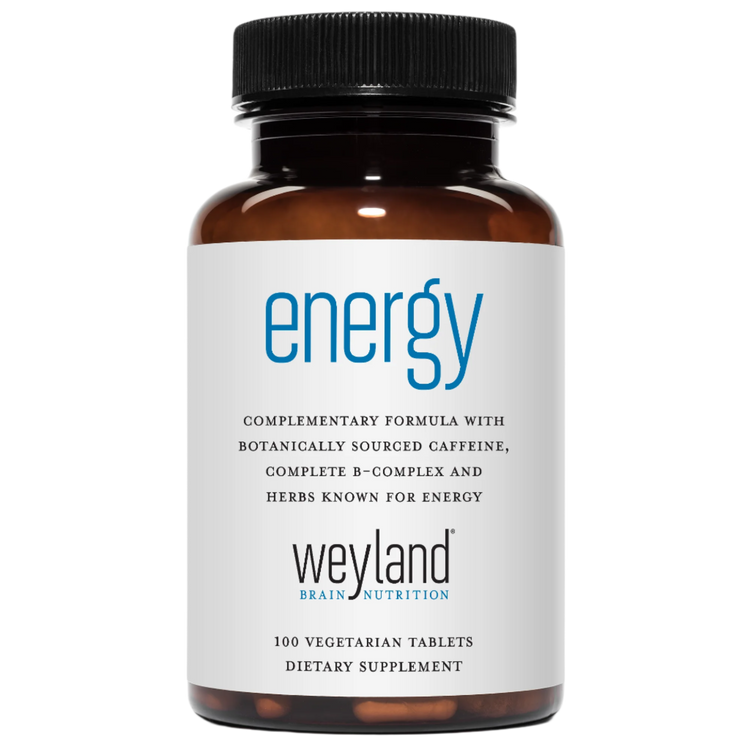
Why Do People Struggle With Energy and Focus?
Most people struggle with energy and focus because of a mix of stress, poor sleep, and gaps in the diet. The brain and body need steady fuel and rest to stay sharp, and modern habits rarely provide both. The reasons below break down what drains focus most.
Lifestyle Pressures
Busy schedules put constant pressure on energy and attention. Long hours in front of a screen, back-to-back meetings, and little movement wear down mental stamina. Many people reach for high doses of caffeine to boost energy and push through, which often backfires by mid-afternoon. A steadier approach supports energy levels without the crash that heavy caffeine brings.
Nutritional Deficiencies
Nutritional gaps drain both energy and focus. A diet low in whole grains, fruit, lean protein, and animal products can leave the body short on essential nutrients like B vitamins, magnesium, iron, vitamin D, and vitamin C. B vitamins and vitamin B12 help the body turn food into usable energy, support red blood cells that carry oxygen to the brain, and aid DNA production. Iron-rich foods and magnesium-rich foods feed cellular energy production and mitochondrial function, the steps that make energy inside cells.
Even mild shortfalls can bring on fatigue and mental fog. Some vitamins are water-soluble and easily absorbed from a healthy diet, while others run low without help, and older adults or those who skip animal products often lack enough vitamin B12. Aim for at least the recommended minimum from food, and let dietary supplements fill the gaps when meals fall short.
Stress and Sleep Quality
Stress and poor sleep are two of the biggest drains on focus. Ongoing stress keeps the mind racing and burns through mental energy, while broken sleep blocks the recovery the brain needs. The result is mental fatigue, poor concentration, and that foggy feeling that no amount of coffee fully fixes. Better sleep and calm habits set the stage for real focus.

How Does Caffeine Work?
Caffeine works by blocking the brain signals that make you feel sleepy. It reaches the bloodstream within minutes and boosts alertness, but the lift is short and can come with side effects. The sections below explain the pros and cons.
Quick Stimulation
Caffeine provides quick energy and stimulation by blocking a chemical called adenosine that tells the brain to slow down. Within 15 to 45 minutes, most people feel more awake, motivated, and ready to work. This fast action is why caffeine remains the world's most popular pick-me-up. It can also support physical performance during exercise.
Short-Term Alertness
Caffeine's boost in alertness is real but short-lived. The sharp focus it brings usually peaks within an hour and then fades as the body clears the caffeine. That drop-off is why the effect rarely carries through a full workday on its own. Many people chase it with a second or third cup, which raises the odds of side effects.
Potential Downsides
Caffeine alone carries downsides that limit how useful it is. High doses can cause a racing heart, jitters, an upset stomach, and trouble sleeping later. Some people also feel on edge or shaky, especially when they are sensitive or drink coffee on an empty stomach. These common side effects are exactly what the L-theanine pairing helps smooth out.
What Is L-Theanine's Role?
L-theanine's role is to bring calm focus without making you drowsy. This amino acid, found naturally in green tea, supports the body's amino acid metabolism and promotes relaxation while keeping the mind clear. Paired with caffeine, it changes the whole experience.
Calm Focus
L-theanine supports calm focus by nudging the brain toward a relaxed but alert state. It raises calming brain waves linked to a settled, focused mood, the kind seen during light meditation. This helps quiet mental chatter so attention can settle on one task. The result is focus that feels steady rather than wired.
Stress Reduction
L-theanine helps ease the body's stress response and promote a calmer feeling. It can soften the tension and racing thoughts that often come with a busy day. Unlike a sedative, it does this without dulling alertness or causing sleepiness. That calm, clear state is why L-theanine has become popular for both work and study.
Synergy With Caffeine
L-theanine and caffeine work in synergy, meaning each improves the other. Caffeine brings the energy and drive, while L-theanine trims the jittery edge and steadies attention. Together, they support sharper concentration and mental clarity than caffeine can deliver alone. This balance is why the two are so often combined.
Why Combine Caffeine and L-Theanine?
Combining caffeine and L-theanine gives you the lift of a stimulant with the calm of a relaxant. The pairing balances out the rough edges of caffeine while keeping the mental boost. Here are the key benefits of combining caffeine and L-theanine for energy and focus:
-
Balanced stimulation without the jitters
-
Improved concentration and mental clarity
-
Longer-lasting productivity through the day
-
A calmer, steadier stress response
For many people, this mix delivers focus that caffeine on its own cannot match.

Which Supplements Use This Combo?
Many popular supplements pair caffeine with L-theanine in one dose. The combo shows up across fitness, focus, and daily energy products. The three types below are the most common.
Pre-Workout Formulas
Pre-workout formulas often add L-theanine to smooth out heavy caffeine. These blends aim to boost energy and physical performance while supporting muscle function and lean muscle mass during training, and cutting the shaky, over-amped feeling that strong stimulants can cause. The result is a training drive with steadier focus. Athletes often prefer this balance over caffeine alone.
Nootropic Blends
Nootropic blends combine caffeine and L-theanine to support brain health and sharper thinking. Many also add adaptogens like rhodiola or nutrients such as B vitamins and coenzyme Q10 (CoQ10) to support cellular energy production. CoQ10 plays a role in mitochondrial function and ATP synthesis, the process called oxidative phosphorylation, which makes most of the body's energy inside cells. These stacks aim for calm, sustained mental performance rather than a quick buzz.
Daily Energy Capsules
Daily energy capsules offer a simple, measured dose of both ingredients. These products skip the sugar and acids of coffee and energy drinks, giving a cleaner source of usable energy. Most list exact amounts, which makes it easy to control the dose. They fit neatly into a daily routine for steady focus.
LOOK BEYOND CAFFEINE ON ITS OWN
Caffeine can be one part of an energy routine, but it does not have to stand alone. Weyland Energy combines botanically sourced caffeine with complete B-complex vitamins and supportive herbs for a more rounded approach to everyday energy support.
See What's Inside
How Does This Combo Compare to Coffee Alone?
The caffeine and L-theanine combo beats plain coffee on smoothness and staying power. Coffee gives energy but often with jitters and a crash, while the pairing keeps the boost calm and even. Here is how the two stack up.
Sustained Energy
The combo delivers more sustained energy than coffee on its own. L-theanine slows the roller-coaster feel of caffeine, so alertness holds steadier for longer. That means fewer peaks and crashes across the day and better overall energy. For lasting focus, the pairing tends to win.
Calmer Alertness
The combo brings calmer alertness than coffee alone. L-theanine takes the nervous, jittery edge off caffeine, so the energy feels smooth instead of frantic. People who feel wired or shaky from coffee often tolerate the pairing much better. The lift comes without the racing, on-edge feeling.
Enhanced Focus
The pairing sharpens focus more than caffeine by itself. Studies suggest that caffeine plus L-theanine improves attention and cognitive performance better than either one alone. The mind stays clear and locked in, with less drifting. That steady clarity is the combo's biggest draw.

What Are the Best Options for Daily Use?
Choosing the right product makes it easy to get the benefits every day. Here are practical supplement choices often recommended for energy and focus:
-
Caffeine and L-theanine capsules with a set ratio
-
Green tea extract, a natural source of both
-
Nootropic blends with added adaptogens
-
Balanced pre-workout supplements
Most people do well starting with a simple capsule that clearly lists both amounts.
How Should You Choose the Right Supplement?
Choosing the right supplement comes down to quality, dose, and expert input. Not every product lists what it truly contains, and ratios vary a lot between brands. A few checks help you pick well:
-
Quality and transparency: Third-party testing, clear labels listing the caffeine and L-theanine amounts, no vague blends.
-
Dosage and form: A common ratio is 200 mg L-theanine to 100 mg caffeine; look for the active form of any added nutrients for easier absorption, start low, and avoid caffeine late in the day.
-
Professional guidance: Ask a healthcare provider whether caffeine suits you, especially if you have heart concerns or high blood pressure.
Can This Combo Support Mental Performance Too?
The caffeine and L-theanine combo can support mental performance, not just energy. L-theanine quiets mental noise while caffeine adds the drive to stay on task, so together they help clear brain fog and hold attention through demanding work. The same calming effect helps the mind handle stress, keeping pressure from derailing concentration, and some blends add adaptogens to build on it. The result is steady focus and mental clarity that caffeine alone cannot match, even on hectic days.
What Safety Considerations Matter?
Safety matters because even natural supplements can affect the body in powerful ways. Some affect medications, and others are risky at high amounts. A few precautions keep supplement use safe:
-
Dosage awareness: Stick to label amounts, since high doses of iron, zinc, or fat-soluble vitamins can build up and cause harm.
-
Medication interactions: Share a full supplement list with a healthcare provider, as iron, magnesium, and some herbs can affect how drugs work.
-
Importance of consultation: Check first if symptoms are ongoing, since a quick visit can confirm what the body needs and rule out anything risky.
Is It Time to Upgrade Your Energy Routine?
Upgrading your energy routine may be as simple as pairing caffeine with L-theanine. Coffee alone delivers a fast but bumpy ride, while the combo offers calm, focused energy that lasts longer and supports overall health. The best choice depends on the body, the goal, and how caffeine tends to feel.
Weigh whether plain caffeine or the caffeine-L-theanine pairing fits the lifestyle, keep doses sensible, and pay attention to how each one lands. Explore Weyland EGCG from Green Tea Extract to make informed choices about supplements for energy and focus that keep the mind sharp and steady.
BUILD A MORE COMPLETE ENERGY ROUTINE
Balanced nutrition, quality sleep, movement, and sensible caffeine use are the foundation. Weyland Energy can complement those habits with botanically sourced caffeine, a complete B-complex, and energy-supportive herbs in one daily formula.
Shop Weyland Energy
Frequently Asked Questions
What is the best dosage of caffeine and L-theanine?
A common dose is about 100 milligrams of caffeine with 200 milligrams of L-theanine, though the right amount depends on individual needs and caffeine tolerance.
Can caffeine and L-theanine replace coffee?
Yes, caffeine and L-theanine can replace coffee for many people, offering similar energy with calmer focus and fewer jitters.
How long does the combo last compared to caffeine alone?
The combo tends to feel steadier and last longer than caffeine alone, since L-theanine smooths the spike and softens the crash.
Are there natural sources of caffeine and L-theanine?
Yes, green tea is a natural source of both caffeine and L-theanine, which is why it gives a calmer lift than coffee.
Should you consult a doctor before using energy supplements?
Yes, consulting a healthcare provider before using energy supplements is wise, especially if you have a health condition, are pregnant, or have high blood pressure.
References
-
Bulman, A., D'Cunha, N. M., Marx, W., Turner, M., McKune, A., & Naumovski, N. (2025). The effects of L-theanine consumption on sleep outcomes: A systematic review and meta-analysis. Sleep medicine reviews, 81, 102076. https://doi.org/10.1016/j.smrv.2025.102076
-
Tardy, A. L., Pouteau, E., Marquez, D., Yilmaz, C., & Scholey, A. (2020). Vitamins and Minerals for Energy, Fatigue and Cognition: A Narrative Review of the Biochemical and Clinical Evidence. Nutrients, 12(1), 228. https://doi.org/10.3390/nu12010228
-
Zhang, J., Li, X., Tang, Z., Xiang, S., Tang, Y., Hu, W., Tan, C., & Wang, X. (2024). Effects of stress on sleep quality: multiple mediating effects of rumination and social anxiety. Psicologia, reflexao e critica : revista semestral do Departamento de Psicologia da UFRGS, 37(1), 10. https://doi.org/10.1186/s41155-024-00294-2
Medical Disclaimer
The content on this page is for informational purposes only and is not intended as medical advice, diagnosis, or treatment. Always consult a qualified healthcare professional before making changes to your health regimen.
*These statements have not been evaluated by the Food and Drug Administration. Our products are not intended to diagnose, treat, cure, or prevent any disease.