Posted by GC Support
on September 23, 2026

Table of Contents
- 1. What Defines the Best Energy Drink?
- 2. Which Energy Drink Ingredients Should You Look For?
- 3. Why Do Ingredients Matter More Than Marketing?
- 4. How Do You Identify Cleaner Alternatives?
- 5. What's the Smarter Alternative to Typical Energy Drinks?
- 6. Can Energy Drinks Support Mental Performance?
- 7. Is There a Healthier Way to Stay Energized?
- 8. Looking for the Best Energy Drink? Fuel Smarter, Think Clearer
Two energy drinks can have the same caffeine and still leave you feeling very different by lunch. Picking the best energy drink comes down to what is actually inside: how much caffeine, how much sugar, and whether the extras do anything at all. Get it wrong, and you may end up with jitters, a racing heart, a poor night's sleep, or more added sugar in one can than you should have in a full day.
Weyland Brain Nutrition makes supplements designed to support focus and daily energy, and the same label test applies to every product on the shelf, Weyland's included. The label tells you far more about an energy drink than the marketing ever will.
LOOK BEYOND THE ENERGY DRINK CAN
A flashy label does not tell you how much caffeine, sugar, or added extras you are getting. Weyland Energy Tablets offer a measured alternative with botanically sourced caffeine, B vitamins, and supportive herbs in a simple tablet format.
See What's Inside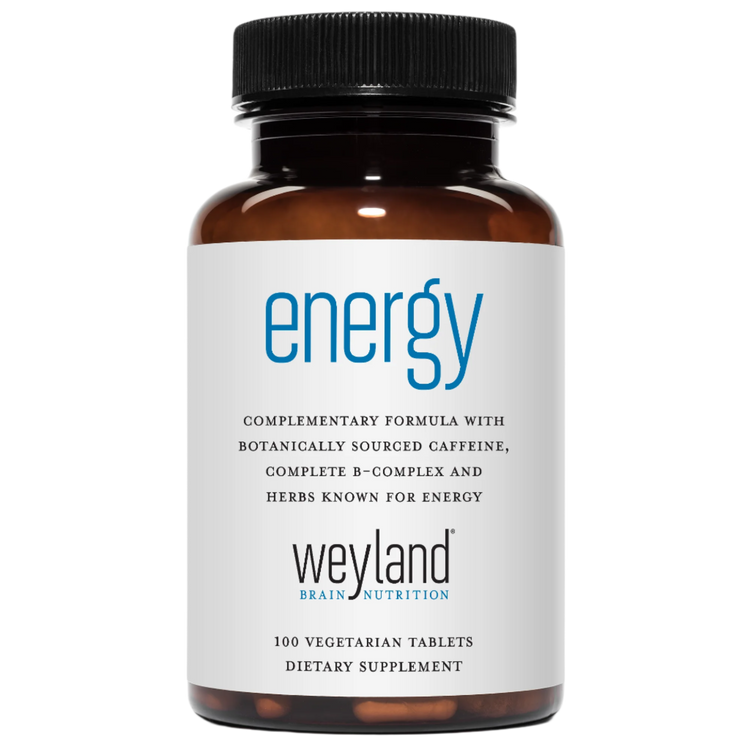
What Defines the Best Energy Drink?
The best energy drink gives you a clear, moderate dose of caffeine without a heavy load of sugar or mystery add-ins. It should also fit your daily caffeine limit and the time of day you plan to drink it. A few traits separate a solid pick from a flashy can.
Clean Ingredients
A clean label is short and easy to read. Look for a listed caffeine amount, little or no added sugar, and no artificial dyes. Many brands group extras like taurine and ginseng into an "energy blend" that shows the total weight but not each amount, so the caffeine number is the one to find first.
Balanced Energy Support
Balanced energy means enough caffeine to feel alert without overshooting. The European Food Safety Authority (EFSA) considers single doses up to 200 milligrams (mg) safe for healthy adults. The U.S. Food and Drug Administration (FDA) puts the daily amount for most healthy adults at about 400 mg. A standard 8.4-ounce energy drink has about 80 mg of caffeine, while some 16-ounce cans pack 300 mg, which is most of that 400 mg daily amount in one drink.
No-Crash Formulation
The crash usually comes from two sources: a sugar spike that fades and caffeine that wears off. Sugar-free formulas address the first. The second comes down to dose and timing, since the body clears about half of the caffeine in roughly five hours. No drink or brand can promise zero crash, but a moderate dose earlier in the day makes one less likely.

Which Energy Drink Ingredients Should You Look For?
The best energy drinks share certain science-backed components:
-
Plant-based caffeine sources (green tea, yerba mate, guarana)
-
Amino acids (like L-theanine, which may support focus when paired with caffeine)
-
Electrolytes for hydration
-
B vitamins for energy metabolism
Keep expectations in check, though. Caffeine from plants is the same molecule as lab-made caffeine, so a "natural" label changes the source but not the effect. B vitamins help your body turn food into energy, yet extra amounts won't add a boost if your diet already covers them. Electrolytes matter most after heavy sweating, which is why sports drinks like Gatorade carry them without any caffeine.
Why Do Ingredients Matter More Than Marketing?
Ingredients decide how a drink affects your body, while marketing only decides how it looks on the shelf. Bright cans and bold slogans don't change the caffeine or sugar inside. Those ingredients show up over months, in the moment, and across a normal day.
Long-Term Wellness
What you drink every day adds up. Two original Monsters a day add up to more than 400 calories and over 100 g of sugar. Heavy energy drink use has also been linked to poor sleep and short-term rises in blood pressure. The American Academy of Pediatrics (AAP) advises kids and teens to skip energy drinks for good reason.
Cognitive Performance
Caffeine can improve alertness, reaction time, and attention, which helps explain why it is the most widely consumed stimulant in the world. But the benefit has a ceiling. Past a certain point, more caffeine brings jitters and anxiety that make clear thinking harder.
Everyday Focus
Steady focus through a workday comes more from sleep, meals, and a moderate caffeine habit than from one big hit. If you've noticed a slump a few hours after a large can, try a smaller dose with breakfast instead. A morning coffee, or half a can you sip slowly, gives many adults enough lift without cutting into sleep.
SKIP THE SUGAR WITHOUT SKIPPING YOUR ROUTINE
If you want an alternative to sweetened energy drinks, a tablet lets you focus on the active ingredients instead of carbonation, sugar, and artificial dyes. Weyland Energy Tablets provide 200 mg of caffeine per tablet, so you can clearly track how much caffeine you are using.
Explore Weyland Energy
How Do You Identify Cleaner Alternatives?
Spotting a cleaner option means looking past the marketing and reading the label for these basics:
-
Botanically sourced active compounds
-
Useful amounts of essential vitamins
-
No artificial dyes or heavy sweeteners
Here's a quick test: if the caffeine amount isn't easy to find, put the can back.
What's the Smarter Alternative to Typical Energy Drinks?
For many adults, the smarter alternative is a measured caffeine dose without the sugar, sweeteners, and acid found in most cans. Coffee, tea, and capsule or tablet supplements all fit that description. The right pick depends on how much caffeine you want and what comes with it.
Brain Nutrition Supplements
Brain nutrition supplements come as capsules or tablets that combine caffeine or other ingredients with vitamins and herbs. They skip carbonation and the acidic, sweet base of a canned beverage, which is easier on tooth enamel. The caffeine inside works the same way it does in a drink, so the same daily limit applies.
Thoughtfully Researched Formulas
A well-researched formula uses ingredients that scientists have studied and lists the amount of the main active ingredient. Rhodiola rosea, panax ginseng, and ashwagandha are traditional herbs that researchers have studied for fatigue and stress, although results vary from study to study. L-theanine, found in tea, is often paired with caffeine in both drinks and supplements.
Weyland's Science-First Approach
Weyland Brain Nutrition makes its products in the USA in an FDA-registered facility that follows current Good Manufacturing Practice (cGMP), and third-party tests verify product quality. Weyland Energy Tablets put the key number up front: 200 mg of caffeine from guarana seed extract per tablet, similar to a strong 16-ounce energy drink.

Can Energy Drinks Support Mental Performance?
Energy drinks can sharpen alertness for a short time, mostly because of the caffeine. The boost is real but limited, and dose and timing decide whether it helps or backfires. Quick lifts, all-day clarity, and smart swaps each work a little differently.
Short-Term Boosts
Caffeine usually kicks in within 30 to 60 minutes and keeps you more alert for several hours. That makes it useful before a long drive or a morning test. Expect the lift to fade, and remember that caffeine masks tiredness without fixing it.
Sustained Clarity
Staying sharp all day is harder to get from a can. Big doses can cause jitters and a racing heart, and daily use builds tolerance, so the same can does less over time. Honestly, the most reliable path to all-day clarity is still a full night of sleep.
Better Choices for Focus
For steady focus, pair a moderate caffeine dose with water and a real meal. Small studies suggest caffeine taken with L-theanine may help attention more than caffeine alone. Keeping caffeine earlier in the day also protects the sleep that focus depends on.
Is There a Healthier Way to Stay Energized?
Better sleep, regular meals, and enough water do more for daily energy than any one can. Instead of relying only on energy drinks, consider these lifestyle and nutrition strategies:
-
Prioritize sleep quality
-
Stay hydrated throughout the day
-
Choose nutrient-dense snacks
-
Use supplements with ingredients studied in peer-reviewed research
A few minutes of morning sun can help you feel more awake, too, since daylight helps set your body clock.
Looking for the Best Energy Drink? Fuel Smarter, Think Clearer
The best energy drink has a label you can trust: a clear caffeine amount that fits your daily limit, little or no sugar, and no artificial dyes. If you'd rather skip the can, Weyland Energy Tablets deliver 200 mg of caffeine from guarana seed extract, a complete B-vitamin complex that helps support normal energy metabolism, and herbs like rhodiola rosea, panax ginseng, and ashwagandha, with no sweeteners or dyes.
Two tablets reach the FDA's 400 mg daily limit, so count every caffeine source and keep them away from kids. Read the label, respect your limit, and try Weyland Energy Tablets the next time you reach for a can.
These statements have not been evaluated by the Food and Drug Administration. This product is not intended to diagnose, treat, cure, or prevent any disease.
FUEL SMARTER WITH A CLEARER LABEL
The best energy choice starts with knowing what you are taking. Weyland Energy Tablets combine botanically sourced caffeine with a complete B-vitamin complex and selected herbs in a formula designed to support daily energy and mental performance.
Shop Weyland Energy Tablets
Frequently Asked Questions
What is the healthiest energy drink?
The healthiest energy drink for most adults has a clearly listed, moderate caffeine content, little or no added sugar, and no artificial dyes.
Are sugar-free energy drinks better for you?
Sugar-free energy drinks cut the added sugar and calories of regular cans, but they carry the same caffeine and often use artificial sweeteners.
How much caffeine is safe in an energy drink?
The FDA says most healthy adults can have up to 400 mg of caffeine a day, so a single can with 200 mg or more uses half or more of that limit.
Can energy drinks improve focus and concentration?
The caffeine in energy drinks can sharpen alertness and focus for a few hours, but the effect fades, and too much can cause jitters that worsen focus.
What's the difference between energy drinks and brain supplements?
Energy drinks deliver caffeine in a sweetened, carbonated beverage for a quick lift, while brain supplements are capsules or tablets that combine nutrients and botanicals to support daily mental performance.
References
-
Committee on Nutrition and the Council on Sports Medicine and Fitness. (2011). Sports drinks and energy drinks for children and adolescents: Are they appropriate? Pediatrics, 127(6), 1182–1189. https://doi.org/10.1542/peds.2011-0965
-
EFSA Panel on Dietetic Products, Nutrition and Allergies (NDA). (2015). Scientific opinion on the safety of caffeine. EFSA Journal, 13(5), 4102. https://doi.org/10.2903/j.efsa.2015.4102
-
U.S. Food and Drug Administration. (2024, August 28). Spilling the beans: How much caffeine is too much? https://www.fda.gov/consumers/consumer-updates/spilling-beans-how-much-caffeine-too-much
Medical Disclaimer
The content on this page is for informational purposes only and is not intended as medical advice, diagnosis, or treatment. Always consult a qualified healthcare professional before making changes to your health regimen.
*These statements have not been evaluated by the Food and Drug Administration. Our products are not intended to diagnose, treat, cure, or prevent any disease.