Posted by GC Support
on August 26, 2026

Table of Contents
- 1. Why Do We Need Energy Supplements?
- 2. Which Vitamins Are Best for Energy?
- 3. Do Minerals Help With Sustained Energy?
- 4. What Herbs Boost Energy Naturally?
- 5. What Are the Best Daily Options?
- 6. How Do Supplements Compare to Coffee?
- 7. How Should You Choose the Right Supplement?
- 8. Can Energy Supplements Support Mental Focus Too?
- 9. Is It Time to Upgrade Your Energy Routine?
Tired of chasing energy with one coffee after another? Long hours, packed schedules, and poor sleep drain the body faster than caffeine can refill it. That is why so many people now look past the quick fix and search for the best energy supplements that support real, lasting stamina. Unlike a jolt that fades by mid-morning, the right vitamins, minerals, and herbs help the body produce energy at the cellular level, hour after hour.
Weyland Brain Nutrition follows this field for readers who want steady results instead of another crash. Choosing supplements that fuel sustained energy, rather than a brief lift, is what separates a smart routine from a short-lived boost.
READY FOR A MORE COMPLETE ENERGY ROUTINE?
Move beyond another quick caffeine fix with Weyland Energy, combining botanically sourced caffeine, a complete B-complex, and energy-supportive herbs in one convenient formula for your daily wellness routine.
Explore Weyland Energy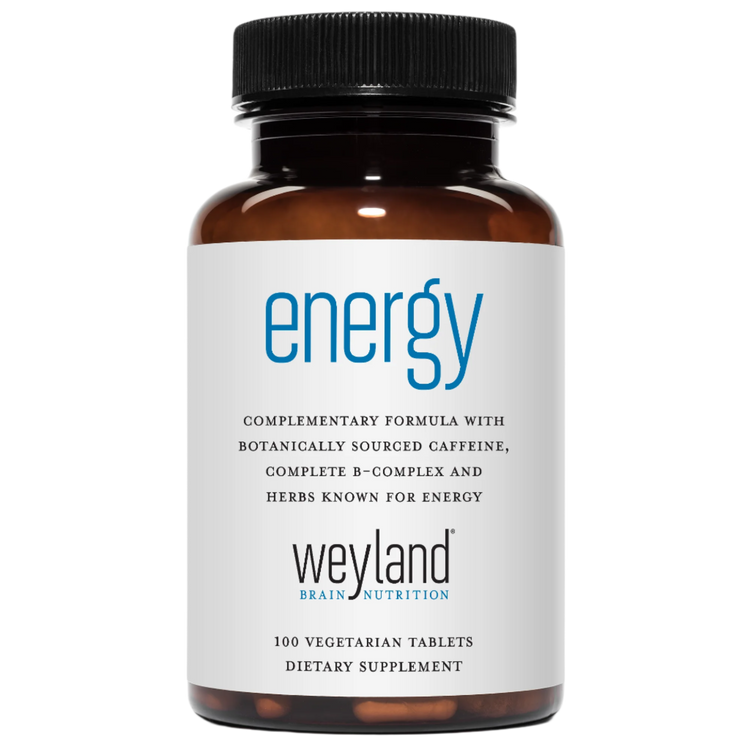
Why Do We Need Energy Supplements?
Energy supplements help fill the gaps left by busy lives, poor diets, and stress. The body needs a steady supply of nutrients to keep energy metabolism running, and modern habits often fall short. The reasons below explain why so many people feel drained.
Lifestyle Demands
Busy lives place heavy demands on the body's energy stores. Long workdays, skipped meals, and little downtime push people to rely on caffeine or sugary snacks that spike and crash blood sugar. Regular exercise adds to the demand, since athletic performance and physical activity both burn through fuel quickly. Dietary supplements can support energy levels when daily routines leave little room for balanced meals.
Nutritional Gaps
Nutritional gaps are one of the most common reasons for low energy. A diet high in added sugar and low in whole grains, healthy fats, and fresh produce often misses key essential nutrients. Missing iron, B vitamins, or vitamin D can slow cellular energy production and leave you feeling flat. A healthy diet built on real food is the base, and supplements help cover what meals miss.
Stress and Sleep Factors
Stress and poor sleep drain energy long before the body runs out of fuel. Constant pressure keeps the nervous system on alert, which burns through nutrients faster. Sleep disorders and restless nights block the repair work that restores energy, and the result is brain fog and mental fatigue the next day. Better sleep quality, paired with the right nutrients, helps the body bounce back.

Which Vitamins Are Best for Energy?
A few essential vitamins do most of the work for steady energy. B vitamins, vitamin D, and iron-related nutrients each support how the body turns food into fuel. Here is what each one brings.
B Vitamins for Metabolism
B vitamins power metabolism by helping the body convert food into usable energy. The B-complex includes vitamin B12, folic acid, and pantothenic acid, and all of them support amino acid metabolism and the release of energy from food. These vitamins also support mitochondrial function, the cell's energy engine, and vitamin B12 and folic acid aid red blood cell formation and DNA production. For anyone eating few animal foods, a B-complex supplement can restore these energy vitamins and ease fatigue.
Vitamin D for Vitality
Vitamin D supports vitality by keeping muscles and the immune system working well. Often called the sunshine vitamin, it is hard to get from food alone, so many people run low, especially in winter. Low vitamin D is linked with tiredness, weak muscles, and low mood. A simple blood test can show whether adding this vitamin makes sense for overall health.
Iron for Energy Production
Iron drives energy production because it helps blood carry oxygen to every cell. When iron runs low, the body cannot move enough oxygen, and that shortage brings on fatigue and weakness. Eating iron-rich foods such as lean meat, lentils, and spinach builds iron levels, and vitamin C helps the body absorb the iron. When food is not enough, iron supplementation under guidance can help restore healthy levels, though an iron deficiency should always be confirmed with a blood test first.
BRING YOUR ENERGY SUPPORT INTO ONE DAILY FORMULA
You have seen how vitamins, botanicals, and carefully chosen stimulants can play different roles in an energy routine. Weyland Energy brings a complete B-complex, botanically sourced caffeine, and supportive herbs together in one convenient option.
See the Energy FormulaDo Minerals Help With Sustained Energy?
Minerals play a major role in keeping energy steady throughout the day. Beyond iron, magnesium and zinc support the cellular reactions that create and manage fuel. Both are easy to miss in a typical diet.
Magnesium for Balance
Magnesium keeps energy in balance by supporting the reactions that make adenosine triphosphate (ATP), the body's main fuel. Most ATP production happens inside the mitochondria, the tiny engines in each cell, through a process called oxidative phosphorylation. Low magnesium can slow this work and cause cramps, muscle weakness, and a run-down feeling. Magnesium-rich foods like nuts, seeds, and leafy greens, or magnesium supplements, help restore steady energy.
Zinc for Cellular Function
Zinc supports cellular function and the enzymes behind normal cell function. It helps the body repair muscle mass, support the immune system, and keep cells working as they should. Low zinc can leave you feeling tired and more prone to getting sick. A balanced diet with lean protein, seeds, and whole grains usually supplies enough of this mineral.
What Herbs Boost Energy Naturally?
Several herbs can boost energy naturally by helping the body handle stress and stay alert. These options come from alternative and complementary medicine, and some have real research behind them. Three stand out for lasting support.
Adaptogens: Rhodiola, Ashwagandha
Adaptogens are herbs that help the body adapt to stress and fatigue. Rhodiola may ease mental fatigue and support focus during demanding stretches. Ashwagandha is studied for calming the stress response, which can protect energy over time. Early research looks promising, though results vary from person to person.
Green Tea Extract
Green tea extract offers a gentle lift from a small, steady dose of caffeine. Unlike a strong coffee, it releases energy more slowly, which means fewer jitters and a smoother feel. It also contains antioxidants tied to focus and overall health. For many people, it is a mild way to stay sharp without a crash.
Ginseng
Ginseng is a traditional herb used to support stamina and physical and mental performance. Some studies suggest it may help reduce fatigue and sharpen mental energy on busy days. As part of complementary medicine, it has a long history of use for endurance. Quality and dose matter, so choose trusted brands.

What Are the Best Daily Options?
Picking a few reliable options makes a supplement regimen easier to keep up. Here are practical supplements often chosen for sustained energy support:
-
B complex for metabolism and converting food into fuel
-
Magnesium for relaxation and balance
-
Rhodiola for stress resilience
-
Green tea extract for gentle stimulation
-
Ginseng for stamina
A steady mix like this supports more energy across the day for most healthy adults.
How Do Supplements Compare to Coffee?
Supplements and coffee support energy in very different ways. Coffee gives a fast lift that fades, while nutrients help the body build and maintain fuel over time. Here is how the two compare:
| Factors | Energy Supplements | Coffee |
|---|---|---|
| How long it lasts | B vitamins, iron, and magnesium keep cellular metabolism running for steady, all-day energy | Peaks fast, then drops off within hours |
| Jitters | Calm, steady alertness, gentler on sensitive people | High doses can leave the heart racing and hands shaky |
| Wider benefits | Same vitamins and minerals also support the immune system, muscle function, and cognitive function | Mainly masks tiredness for a while |
Understanding energy production makes it clear why lasting fuel beats a quick pick-me-up.
How Should You Choose the Right Supplement?
Choosing the right supplement comes down to quality, dose, and expert input. Not every product on the shelf delivers what the label promises, and some contain far less than claimed. A few checks help you spend wisely.
Quality and Transparency
Quality starts with brands that show what goes into each product and how they test it. Look for third-party testing and clear labels that list exact amounts, not vague blends. Transparent companies make it easy to trust what you buy. That lowers the risk of weak or poorly made dietary supplements.
Dosage and Form
The right dose and form shape how well a supplement works. Some nutrients are absorbed better as capsules, others as powders or liquids, and taking iron with vitamin C improves uptake. Follow label directions and avoid high doses unless a professional advises you. The best vitamins do little good if the amount is wrong.
Professional Guidance
Professional guidance helps match supplements to what the body truly needs. A healthcare provider can order a simple blood test to spot an iron deficiency or other gaps and suggest safe amounts. This step matters most for anyone with a health condition or on medication. A short visit can save months of guesswork.
Can Energy Supplements Support Mental Focus Too?
Energy supplements can support mental focus, not just physical stamina. B vitamins support the nervous system, and steady iron helps ensure enough oxygen reaches the brain; together, these nutrients help clear brain fog and support cognitive performance through a long day. Adaptogens like rhodiola and ashwagandha add to this by softening the drain that stress puts on concentration. Paired with good fuel and rest, they leave more room for calm, clear thinking.
What Safety Considerations Matter?
Safety matters because even natural supplements can act on the body in strong ways. Some affect medications, and others are risky at high amounts. A few precautions keep supplement use safe.
Dosage Awareness
Staying aware of dosage is the first rule of safe supplement use. More is not better, and high doses of iron, zinc, or fat-soluble vitamins can build up and cause harm. Stick to the amounts on the label unless a professional advises otherwise. Careful dosing protects the body's ability to use nutrients well.
Medication Interactions
Supplements can interact with prescription medications, sometimes in serious ways. Iron, magnesium, and certain herbs may change how drugs work, so share a full supplement list with a healthcare provider. This helps avoid problems when adding vitamins and minerals to a routine. Caution matters most for people on regular medication.
Importance of Consultation
Talking with a professional before starting supplements is the safest way to begin. A quick check can confirm what the body needs and rule out anything risky. This is smart for anyone with ongoing symptoms or a complex health history. Good advice turns guesswork into a clear plan.
Is It Time to Upgrade Your Energy Routine?
Upgrading your energy routine starts with the whole picture, not one quick fix. Lasting energy grows from a balanced diet, good sleep, regular movement, and stress care, with the best energy supplements filling real nutritional gaps.
Vitamins like B12 and vitamin D, minerals like magnesium, and herbs like rhodiola support sustained energy at the cellular level, not a short spike. Check your habits, learn what the body needs, and choose quality products with care.
Explore Weyland Energy Tablets to build an energy routine that keeps you steady, focused, and at your best.
BUILD A SMARTER DAILY ENERGY ROUTINE
Good sleep, balanced nutrition, movement, and stress care remain the foundation. When you want an added layer of daily support, Weyland Energy offers botanically sourced caffeine, complete B-complex vitamins, and energy-supportive herbs in one streamlined formula.
Shop Weyland EnergyFrequently Asked Questions
What are the best energy supplements for daily use?
B-complex vitamins, magnesium, iron, and adaptogens like rhodiola are among the best energy supplements for daily use, since each supports energy metabolism and steady stamina.
Can supplements replace coffee for energy?
Supplements can support longer-lasting energy than coffee because they help the body produce fuel, while coffee only masks tiredness for a few hours.
How long do energy supplements take to work?
Energy supplements often take two to six weeks to show a clear effect, since the body needs time to rebuild nutrient levels and reduce fatigue.
Are herbal energy supplements safe?
Most herbal energy supplements like rhodiola and green tea extract are safe in normal amounts, but check with a healthcare provider if you take medication.
Should you consult a doctor before starting energy supplements?
Yes, consulting a healthcare provider before starting energy supplements is wise, especially if you have a health condition, are pregnant, or take regular prescription medications.
References
-
Dunn, J., & Grider, M. H. (2023). Physiology, Adenosine Triphosphate. In StatPearls. StatPearls Publishing. https://pubmed.ncbi.nlm.nih.gov/31985968/
-
Kalmbach, D. A., Anderson, J. R., & Drake, C. L. (2018). The impact of stress on sleep: Pathogenic sleep reactivity as a vulnerability to insomnia and circadian disorders. Journal of sleep research, 27(6), e12710. https://doi.org/10.1111/jsr.12710
-
Kiani, A. K., Dhuli, K., Donato, K., Aquilanti, B., Velluti, V., Matera, G., Iaconelli, A., Connelly, S. T., Bellinato, F., Gisondi, P., & Bertelli, M. (2022). Main nutritional deficiencies. Journal of preventive medicine and hygiene, 63(2 Suppl 3), E93–E101. https://doi.org/10.15167/2421-4248/jpmh2022.63.2S3.2752
-
Martens, P. J., Gysemans, C., Verstuyf, A., & Mathieu, A. C. (2020). Vitamin D's Effect on Immune Function. Nutrients, 12(5), 1248. https://doi.org/10.3390/nu12051248
-
Tardy, A. L., Pouteau, E., Marquez, D., Yilmaz, C., & Scholey, A. (2020). Vitamins and Minerals for Energy, Fatigue and Cognition: A Narrative Review of the Biochemical and Clinical Evidence. Nutrients, 12(1), 228. https://doi.org/10.3390/nu12010228
Medical Disclaimer
The content on this page is for informational purposes only and is not intended as medical advice, diagnosis, or treatment. Always consult a qualified healthcare professional before making changes to your health regimen.
*These statements have not been evaluated by the Food and Drug Administration. Our products are not intended to diagnose, treat, cure, or prevent any disease.