Posted by GC Support
on October 05, 2026

Table of Contents
The report is due at 9 a.m., the coffee quit an hour ago, and the pill bottle looks tempting. The CDC (Centers for Disease Control and Prevention) says about 1 in 3 U.S. adults don't get enough sleep. Stay awake pills are caffeine in tablet or capsule form, usually 100 to 200 milligrams (mg) per dose.
At Weyland Brain Nutrition, the belief is simple: caffeine works best when you know exactly what it can and can't do. Used wisely, stay awake pills can buy a few alert hours, but too much backfires and no pill repays lost sleep.
SKIP THE CAFFEINE GUESSWORK
Considering capsules instead of another coffee? Weyland Motivation! Herbal Caffeine + Energy provides 200 mg of caffeine per two-capsule serving. Get to know the formula before deciding what fits your day.
Meet Weyland Motivation!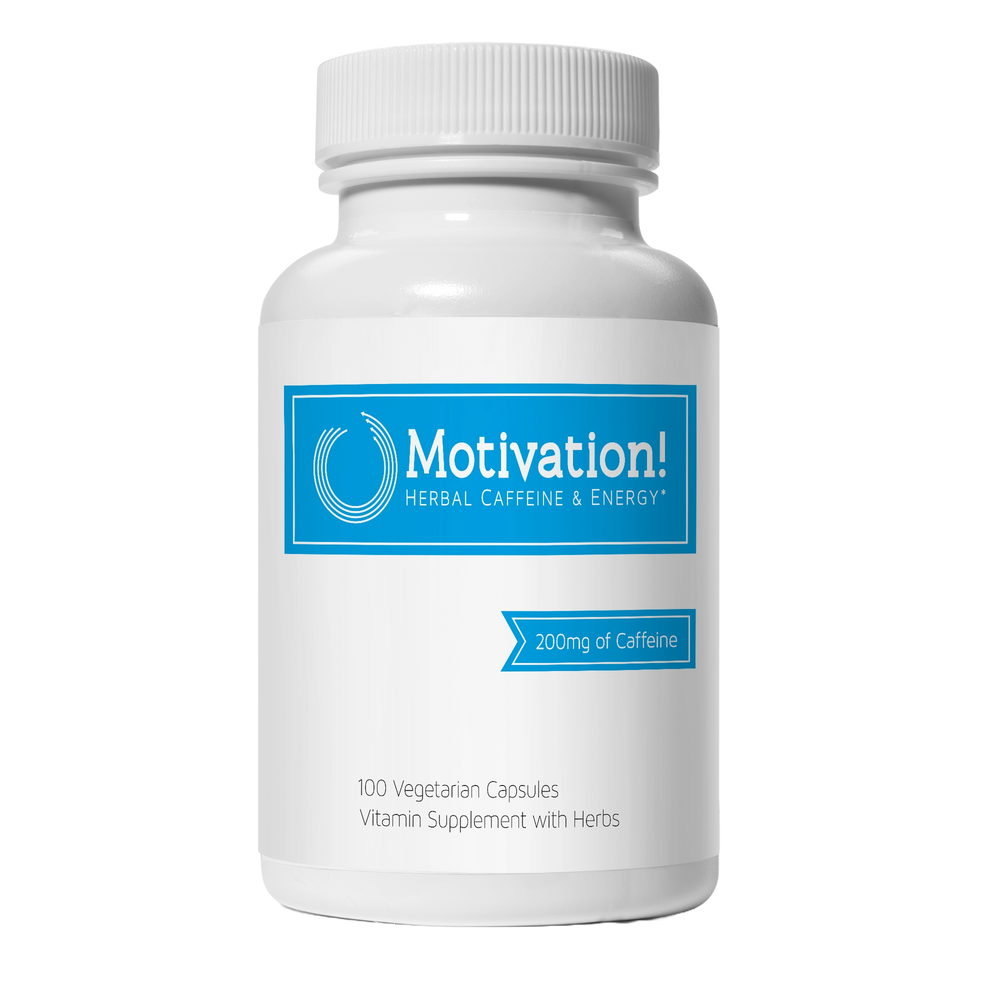
What Are Stay Awake Pills?
Most stay awake pills are simply caffeine packed into a measured dose. The caffeine source and any extras added to it are what set one brand apart from another. Label information includes the active ingredient, the amount per tablet, directions, and warnings, so the label is the best place to start.
Caffeine in a Measured Dose
Each pill lists an exact amount of caffeine, often 100 or 200 mg. Coffee is harder to pin down. The caffeine in a cup shifts with the bean, the roast, the amount of coffee grounds used, and how long it brews.
Synthetic or Plant-Sourced Caffeine
Many tablets use caffeine anhydrous, a dry powder that is often made synthetically. Others pull caffeine from plants such as guarana seeds, green coffee beans, or tea leaves. The caffeine molecule is the same either way, so the body processes both in the same basic way.
Added Vitamins and Herbs
Some formulas add B vitamins, L-theanine, or herbal extracts alongside caffeine. Each extra ingredient is one more thing to check for allergic reactions and drug interactions, so read the full label first. For a closer look at one popular pairing, see how caffeine and L-theanine are often combined.

How Do Stay Awake Pills Work?
Stay awake pills work by blocking adenosine, a chemical that builds up in the brain during waking hours and makes the body feel sleepy. With that signal muted, alertness rises for a while. The effect follows a clear pattern: a quick start, a peak, and a slow fade.
Blocking the Brain's Sleep Signal
Adenosine works like a pressure gauge for tiredness. The longer people stay awake, the higher it climbs. Caffeine fills the spots in the brain where adenosine would normally attach, which is a bit like covering a smoke alarm instead of putting out the fire. The warning goes quiet, but the cause is still there.
Peak Mental Alertness in About an Hour
Caffeine levels in the blood usually peak 30 to 60 minutes after a pill is taken by mouth. Many people notice the lift sooner, so there's no need to take more while waiting for it to kick in.
Several Hours of Staying Power
Caffeine's half-life, the time the body needs to clear half of it, usually runs 3 to 7 hours. A pill taken at lunch could still have close to half its dose active by dinner.
What Can Caffeine Actually Fix?
Caffeine can ease short-term tiredness and help people stay sharp for a few hours. Over-the-counter (OTC) stay awake tablets are labeled as drugs that help restore mental alertness or wakefulness when experiencing fatigue or drowsiness, and research on healthy adults supports several short-term benefits.
For most healthy adults, a moderate dose of caffeine may help with:
-
Alertness during long or tiring stretches
-
Reaction time on simple tasks
-
Focus during repetitive work, such as data entry or studying
-
The sense of effort during exercise
-
The mid-afternoon slump
These effects are temporary and work best on top of decent sleep, not in place of it.
LOOK BEYOND THE CAFFEINE
Sleep still comes first, and the full ingredient list matters. Take a closer look at Motivation!’s guarana-sourced caffeine, B vitamins, green tea extract, and L-theanine. Review the serving directions and precautions before choosing.
See What’s In Motivation!
What Can't Caffeine Fix?
Caffeine can hide tiredness, but it doesn't erase it. The body keeps track of every hour of missed sleep, and some problems stay put no matter how alert a pill makes someone feel.
Lost Sleep and Sleep Debt
Only sleep repays sleep debt. Caffeine is not a substitute for rest, because it masks the tired feeling without restoring what a full night does for the brain and body.
Judgment and Complex Decisions
Research suggests caffeine helps more with simple alertness than with complex thinking. A sleep-deprived brain on caffeine may feel sharp while still making more mistakes, especially on tasks that call for careful planning.
Drowsiness Behind the Wheel
Caffeine is not a safe fix for drowsy driving. It can push back the feeling of drowsiness, yet brief lapses in attention can still occur without warning. The safest move is to pull over and rest.
Ongoing Tiredness
Fatigue that lasts for weeks despite good sleep habits deserves medical attention. It can signal a medical problem, so talk with a doctor about a health check instead of reaching for more caffeine. Small daily changes can also help, and these natural ways to lift energy levels are a good place to begin.

How Much Caffeine Is Safe?
For most healthy adults, the U.S. Food and Drug Administration (FDA) cites 400 mg per day as an amount not generally associated with adverse effects. That figure isn't applicable during pregnancy or for children, and personal tolerance is determined partly by age, body size, and daily caffeine habits. Staying under the limit takes a little math and some attention to timing.
Up to 400 mg a Day for Most Adults
The limit covers caffeine from all foods and beverages, not just pills. Take into account every cup of coffee, tea, soda, and energy drink before adding a tablet on top.
200 mg, or About Two Cups of Coffee
An 8-ounce cup of brewed coffee has roughly 80 to 100 mg of caffeine, so one 200 mg pill equals about two cups taken at once. Note that a large coffee shop drink can hold much more than a standard cup. For a side-by-side view, here's how energy supplements compare with coffee.
No Caffeine Late in the Day
A 2013 study found that 400 mg of caffeine taken 6 hours before bed still cut total sleep by more than an hour. Anyone with trouble sleeping may want an early-afternoon cutoff to protect the night ahead, and these tips on resetting a sleep schedule can help too.
Warning Signs of Too Much Caffeine
Too much caffeine can cause nervousness, shaking, anxiety, an upset stomach, vomiting, or a rapid heartbeat. Milder possible side effects, like jitters, are a cue to cut back if they become bothersome. The FDA notes that toxic effects, such as seizures, have been seen with rapid intake of about 1,200 mg.
If an overdose is suspected, contact the Poison Control Center at 1-800-222-1222 and get medical help right away for serious symptoms. Store tablets in a dry place away from moisture, check the expiration date, and keep them out of reach of children and pets.

Who Should Skip Stay Awake Pills?
Stay awake pills aren't a good fit for everyone, so a few precautions matter for safety. Caffeine can interact with certain types of medicines, including some antibiotics and asthma drugs, and mixing it with alcohol can make it harder to notice how drunk someone feels.
Consult a doctor or pharmacist before trying caffeine pills if you:
-
Are pregnant or breastfeeding
-
Are under 18 (OTC labels warn against use in children younger than 12)
-
Have a heart condition or high blood pressure
-
Feel anxious or jittery after small amounts of caffeine
-
Take any prescription medication
-
Already drink several caffeinated drinks a day
Stay awake pills are intended for occasional use, so take them only as directed and stop once they're no longer needed.
Tired of Guessing Your Caffeine Dose?
Stay awake pills can support alertness for a few hours when you're experiencing fatigue, but sleep still does the heavy lifting. The smart approach is to know the dose, take it early in the day, and stay under 400 mg from all sources.
For a clear, labeled caffeine option, Weyland Motivation! Herbal Caffeine + Energy provides 200 mg of caffeine from guarana seed extract per two-capsule serving, plus B vitamins, green tea extract, and L-theanine. Each capsule holds about 100 mg, and the label suggests taking it with a meal.
Know your dose, protect your sleep, and use caffeine on your terms.
YOUR CAFFEINE. A MORE MEASURED CHOICE.
Ready to choose a capsule option with clearly labeled caffeine? Shop Weyland Motivation! Herbal Caffeine + Energy. Follow the label directions, count caffeine from your other drinks and supplements, and protect your sleep schedule.
Shop Weyland Motivation!
Frequently Asked Questions
How long do stay awake pills last?
Effects usually peak within 30 to 60 minutes, and since caffeine's half-life runs 3 to 7 hours, some alertness can linger into the evening and lead to trouble sleeping.
Are caffeine pills stronger than coffee?
Caffeine pills aren't stronger by nature because the caffeine is identical, but one 200 mg tablet equals about two cups of brewed coffee and delivers that exact dose all at once.
Is it safe to take caffeine pills every day?
Many healthy adults use caffeine daily within the FDA's 400 mg limit, although regular use builds tolerance and stopping suddenly can trigger withdrawal symptoms like headaches, fatigue, and irritability.
Can you drink coffee after taking a caffeine pill?
Many adults can, as long as the coffee and the pill both count toward the 400 mg daily total, so add up every source before reaching for the next dose.
Do stay awake pills work if you haven't slept at all?
Caffeine may boost alertness for a short time after a sleepless night, but it won't restore judgment or reaction time the way sleep does, so rest is still the real fix.
References
-
Centers for Disease Control and Prevention. (2016, February 16). A good night's sleep is critical for good health [Press release]. https://archive.cdc.gov/www_cdc_gov/media/releases/2016/p0215-enough-sleep.html
-
Liu, X., & Xu, S. (2026). Unraveling the complexities of caffeine: Metabolism, genetics, evolution, and health. Hereditas, 163(1), Article 36. https://doi.org/10.1186/s41065-026-00648-z
-
Trexler, E. T., Smith-Ryan, A. E., Roelofs, E. J., Hirsch, K. R., & Mock, M. G. (2016). Effects of coffee and caffeine anhydrous on strength and sprint performance. European Journal of Sport Science, 16(6), 702–710. https://doi.org/10.1080/17461391.2015.1085097
-
U.S. Food and Drug Administration. (2018). Highly concentrated caffeine in dietary supplements: Guidance for industry. U.S. Department of Health and Human Services. https://www.fda.gov/files/food/published/Guidance-for-Industry--Highly-Concentrated-Caffeine-in-Dietary-Supplements-DOWNLOAD.pdf
-
U.S. Food and Drug Administration. (2024, August 28). Spilling the beans: How much caffeine is too much? https://www.fda.gov/consumers/consumer-updates/spilling-beans-how-much-caffeine-too-much
Medical Disclaimer
The content on this page is for informational purposes only and is not intended as medical advice, diagnosis, or treatment. Always consult a qualified healthcare professional before making changes to your health regimen.
*These statements have not been evaluated by the Food and Drug Administration. Our products are not intended to diagnose, treat, cure, or prevent any disease.


