Posted by GC Support
on July 31, 2026

Table of Contents
- 1. What Are Green Tea Supplements?
- 2. What Types of Green Tea Supplements Are There?
- 3. What Do Green Tea Supplements Do?
- 4. What Are the Key Ingredients to Know?
- 5. How Do You Choose a Quality Green Tea Supplement?
- 6. How Do You Take Green Tea Supplements Safely?
- 7. Which Green Tea Supplement Is Right for You?
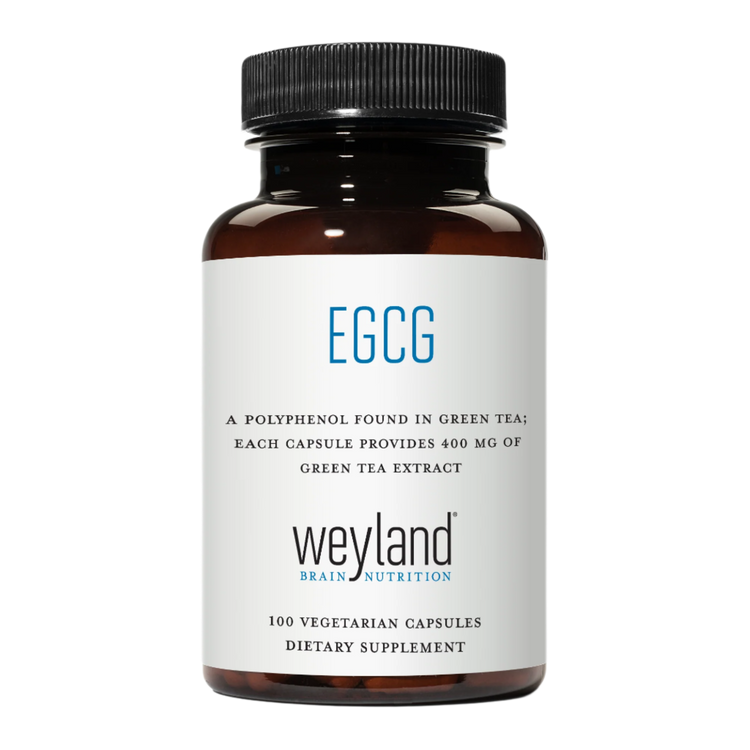
The store shelf is incredibly crowded. You will find green tea supplements sold as capsules, powders, and liquids. The labels rarely make the differences clear. This plain guide explains the main types, what each product does, and how to choose the right one. Weyland Brain Nutrition makes a third-party-tested green tea extract for people who want those beneficial polyphenols without the guesswork.
Quick Review: Green Tea Supplements Guide
Green tea supplements deliver concentrated plant compounds without the need to brew a cup. They come in capsules, powders, and liquids to support antioxidant activity and daily cellular health.
Finding a reliable product requires checking the label for third-party testing and a specific polyphenol percentage. You should always choose a standardized extract and take it with food to ensure safety and consistent results.
Skip the Steeping, Keep the Benefits
Get your daily serving of standardized green tea compounds directly without the need to brew a cup.
Shop Green Tea Extract
What Are Green Tea Supplements?
These products offer concentrated forms of the exact same plant people drink every day.
Concentrated Green Tea, Not Brewed
A supplement delivers standardized green tea compounds without the need for steeping a cup. You get a direct serving of nutrients from the Camellia sinensis plant.
Extract vs Whole-Leaf Products
A standardized extract isolates the most active plant compounds. A plain whole-leaf capsule simply contains ground dried leaves. This creates a big difference in antioxidant capacity.

What Types of Green Tea Supplements Are There?
Green tea supplements come in a few main forms, each with specific trade-offs:
-
Capsules offer a measured dose. A capsule has no taste and is very easy to travel with. This remains the most common form on the market.
-
Powders provide flexible amounts. They mix well into a beverage, but taste and dosing consistency often vary.
-
Liquid extracts are fast to take and highly adjustable. Potency and flavor differ heavily from brand to brand.
-
Standardized green tea products state the exact percentages of epigallocatechin gallate (EGCG) and polyphenols on the bottle. Non-standardized options do not offer this clarity.
The physical form matters much less than whether the label tells the buyer what is actually inside.
What Do Green Tea Supplements Do?
Green tea supplements provide concentrated plant compounds called polyphenols. These antioxidants support many of the products’ potential health benefits.
Antioxidant Support
Green tea polyphenols act as antioxidants in the body. They help neutralize free radicals to support overall health and skin health.
A Role in Cellular Health
The plant compounds play a supportive role in overall cellular health. They help protect the body from everyday environmental stressors.
A Source of Natural Caffeine
Many green tea extract supplements contain caffeine unless the bottle specifically says decaffeinated. This provides a natural energy boost for daily physical activity.
What Are the Key Ingredients to Know?
Green tea supplements contain several active plant compounds. Polyphenols, catechins, EGCG, caffeine, and L-theanine contribute most of their potential effects.
EGCG and Catechins
Epigallocatechin gallate is the most abundant and most studied catechin in the plant. Many studies focus on how green tea catechins support overall well-being.
Polyphenols
This is the broader antioxidant group. Always look for a stated percentage of polyphenols to ensure a quality product.
Caffeine
This stimulant is naturally present in green tea leaves. The exact caffeine intake varies, and decaffeinated options exist for sensitive individuals.
Support Your Cellular Health Daily
Help protect your body from everyday environmental stressors with a concentrated dose of powerful polyphenols.
Try Green Tea Extract Today
How Do You Choose a Quality Green Tea Supplement?
A few specific label details separate a trustworthy supplement from a weak one:
-
A stated EGCG and polyphenol percentage must appear on the Supplement Facts panel.
-
Independent third-party testing or a valid Certificate of Analysis confirms purity.
-
A standardized extract ensures the potency holds steady from batch to batch.
-
Manufacturing takes place in an FDA-registered, cGMP-compliant facility.
-
A short list of other ingredients indicates that the product avoids unnecessary fillers and uses non-GMO ingredients.
Weyland Brain Nutrition makes a green tea extract that meets all these important marks.

How Do You Take Green Tea Supplements Safely?
Take green tea supplements with food and follow the serving size on the label. Avoid high doses, and speak with a healthcare professional if you take medications, are pregnant, or have liver concerns.
Take With Food
Taking the supplement with food is gentler on the stomach. It is the safer choice than taking the capsule on an empty stomach.
Stay Within the Label Amount
Do not take high doses. Taking green tea extract in massive amounts is linked to rare cases of liver injury. More is not better, so stick to the recommended amount to avoid liver damage or liver diseases. Always store the bottle safely and keep these products out of children's reach.
Mind the Caffeine and Ask First
Caffeine can cause adverse effects like a rapid heart rate for sensitive individuals. Pregnant or nursing mothers and anyone taking certain medications must ask a doctor before starting a new routine. You should always discuss any personal risk factors with a medical professional to ensure total safety.
Recognize the Limits of Supplements
Dietary supplements only support general wellness rather than acting as a medical cure. They are not intended to treat disease, high blood pressure, diabetes, cancer, prostate cancer, or heart disease. These products also do not fix blood sugar, lower the risk of high cholesterol, or guarantee weight management.
If adverse reactions occur, stop use immediately and report the symptoms to a medical professional. Keep in mind that the FDA does not pre-approve dietary supplements before they hit the market. Checking the label for safety and overall quality falls entirely on the buyer.
Which Green Tea Supplement Is Right for You?
The specific type of supplement is mostly a matter of personal preference. However, choosing a tested, standardized product remains the constant rule. Read the label carefully. Always take the product with food, and never overdo the daily amount. If you want a reliable option, Weyland Brain Nutrition offers a tested, standardized green tea extract supplement to support your daily wellness goals.
Ready to Upgrade Your Wellness Routine?
Choose a third-party tested, carefully standardized green tea extract for reliable antioxidant support.
Get Your Green Tea Extract
Frequently Asked Questions
Are green tea supplements safe?
Yes, they are generally safe for healthy adults when taken as directed. You must follow the dosage instructions carefully and consume the pill with food to avoid an upset stomach.
What is the difference between green tea extract and green tea supplements?
The term supplement covers any pill or powder made from the plant. An extract is a specific, highly concentrated form that isolates the active catechins and antioxidants.
Do green tea supplements have caffeine?
Yes, most options contain natural caffeine and l theanine, just like traditional black tea, oolong tea, or coffee. You can find decaffeinated versions if you want to avoid stimulants entirely.
Is it better to drink green tea or take a supplement?
Drinking a warm beverage provides hydration and a relaxing ritual. A supplement provides the same amount of beneficial nutrients in a much faster, more consistent form.
When should you take a green tea supplement?
Take it during the daytime alongside a meal to support metabolism and exercise performance. Avoid taking this combination late at night because the caffeine might disrupt sleep.
References
-
Durazzo, A., Lucarini, M., Souto, E. B., Cicala, C., Caiazzo, E., Izzo, A. A., Novellino, E., & Santini, A. (2019). Polyphenols: A concise overview on the chemistry, occurrence, and human health. Phytotherapy research : PTR, 33(9), 2221–2243. https://doi.org/10.1002/ptr.6419
-
Hamad A. K. S. (2024). Caffeine and Arrhythmias: A Critical Analysis of Cardiovascular Responses and Arrhythmia Susceptibility. Journal of the Saudi Heart Association, 36(4), 335–348. https://doi.org/10.37616/2212-5043.1402
-
Niu, L., Luo, Y., Xie, W., Wang, C., & Liu, Z. (2026). Dietary (-)-Epigallocatechin Gallate (EGCG): State-of-the-Art Advances in Bioactivities, Bioavailability Enhancement Strategies, and Applications in Nutrition and Health. Nutrients, 18(2), 317. https://doi.org/10.3390/nu18020317
-
Radeva-Ilieva, M., Stoeva, S., Hvarchanova, N., & Georgiev, K. D. (2025). Green Tea: Current Knowledge and Issues. Foods (Basel, Switzerland), 14(5), 745. https://doi.org/10.3390/foods14050745
Medical Disclaimer
The content on this page is for informational purposes only and is not intended as medical advice, diagnosis, or treatment. Always consult a qualified healthcare professional before making changes to your health regimen.
*These statements have not been evaluated by the Food and Drug Administration. Our products are not intended to diagnose, treat, cure, or prevent any disease.