Posted by GC Support
on September 30, 2026

Table of Contents
- 1. Why Do People Avoid Taurine in Energy Drinks?
- 2. What Ingredients Replace Taurine in Energy Drinks?
- 3. Do Taurine-Free Energy Drinks Still Work?
- 4. How Do Popular Taurine-Free Options Compare?
- 5. What Should You Look for Instead of Taurine?
- 6. Can Taurine-Free Energy Support Mental Performance?
- 7. Are Supplements a Smarter Alternative to Energy Drinks?
- 8. Choose Clarity When You Skip Taurine
Taurine appears on the labels of many of the world's best-selling energy drinks, yet many shoppers now look for cans without it. Energy drinks without taurine appeal to people who want simpler labels, plant-based ingredients, or fewer additives. The real risks in most cans come from too much caffeine and excessive sugar, and dropping taurine doesn't fix either one.
Weyland Brain Nutrition makes supplements for brain health and daily energy support, and a good choice starts with knowing what each label ingredient actually does. Skipping taurine is a fine preference, but the caffeine dose, the sugar content, and ingredient transparency decide how good a drink really is.
TAURINE-FREE ENERGY, WITHOUT THE CAN
Looking beyond energy drinks? Meet Weyland Energy Tablets, a taurine-free option with botanically sourced caffeine and a complete B-vitamin complex. Take a closer look at a different format for your daily energy routine.
Meet Weyland Energy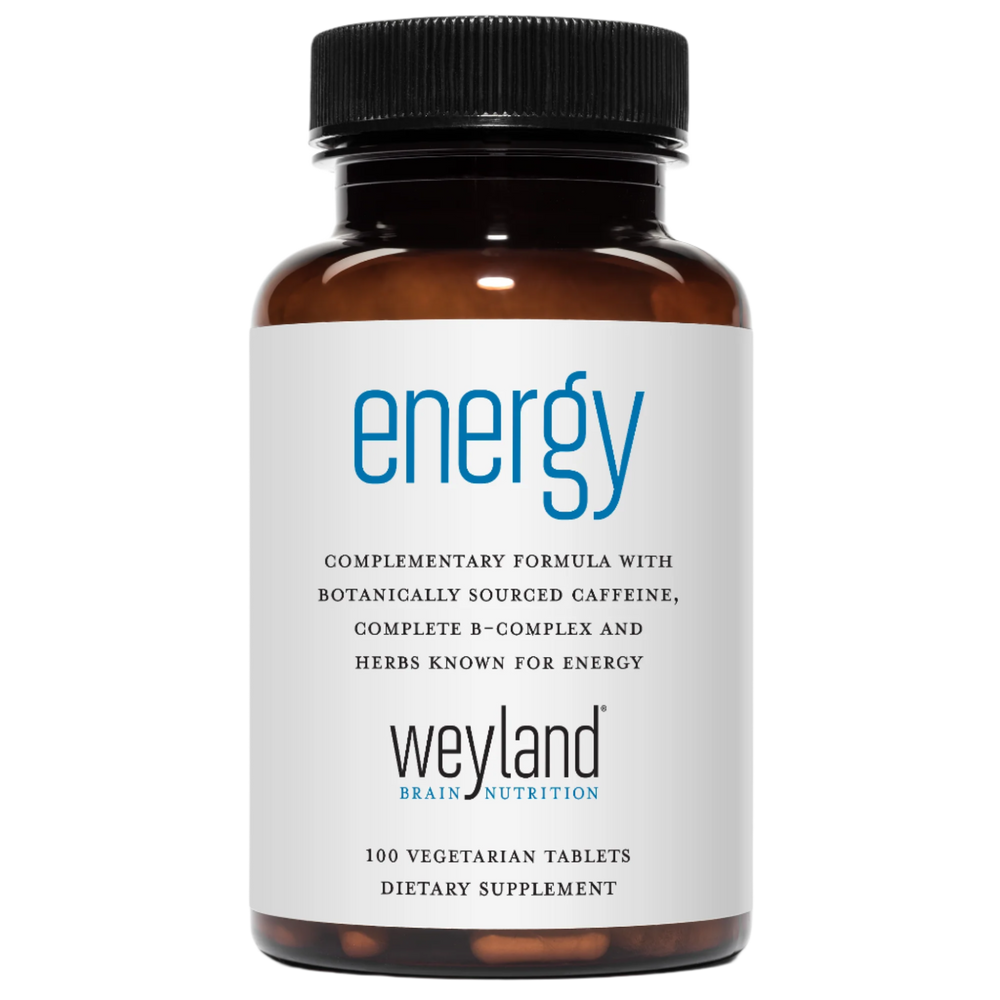
Why Do People Avoid Taurine in Energy Drinks?
People avoid taurine mostly out of preference, not because of proven harm. Taurine is an amino acid the body makes on its own, and European food safety experts concluded in 2009 that the amounts in energy drinks aren't a safety concern for healthy adults. Still, a few common reasons push consumers toward taurine-free drinks.
Preference for Simpler Formulas
Some people just want fewer ingredients. A classic 8.4-ounce energy drink may hold about 1,000 milligrams (mg) of taurine along with other ingredients like caffeine, sugar, B vitamins, and flavorings. Many shoppers would rather cut anything without a clear job. Research hasn't settled what taurine adds to an energy drink, which makes it an easy ingredient to drop
Desire for Plant-Based Options
Many people assume taurine comes from bulls, but that's a long-running myth. The taurine added to energy drinks is typically made synthetically, so it isn't derived from any animal. Natural taurine comes mostly from animal foods such as meat, fish, and dairy, which is why vegans get little from their diet, though the body makes its own supply. People looking for natural alternatives may still prefer drinks built on tea or yerba mate.
Focus on Clean Label Choices
Clean label shoppers look for short ingredient lists with few synthetic additives, and taurine sometimes gets cut along with artificial colors and preservatives. Headlines play a role, too. A 2025 University of Rochester study found that taurine helped leukemia cells grow in mice. The research doesn't show that taurine causes cancer, and experts said people don't need to avoid taurine but should drink energy drinks in moderation.

What Ingredients Replace Taurine in Energy Drinks?
Energy drinks without taurine often rely on other supportive compounds:
-
Botanically sourced caffeine (green tea, guarana, yerba mate)
-
Amino acids like L-theanine, which may support focus
-
Electrolytes for hydration balance
-
B vitamins for energy metabolism
None of these is a one-to-one swap, since taurine's role in energy drinks was never clear to begin with. Caffeine still does most of the work. L-theanine, an amino acid found in green tea, is the most common add-in. B vitamins support the body's normal energy production from food, and the electrolytes are the same ones found in sports drinks.
Do Taurine-Free Energy Drinks Still Work?
Taurine-free energy drinks can deliver the same energy boost as traditional energy drinks when the caffeine dose matches. Caffeine is the main source of alertness in these drinks, and taurine's own effect remains unclear. Check how much caffeine a drink has and where it comes from.
Taurine-Free Drinks Use the Same Caffeine as Other Cans
Taurine-free drinks usually get caffeine from guarana, green tea, yerba mate, or coffee beans. Guarana seeds hold more caffeine than coffee beans by weight, so a little goes a long way. Concentrated green tea extract also adds caffeine, though higher doses have been linked to rare liver problems. Once in your body, plant caffeine works the same as lab-made caffeine.
Taurine-Free Drinks Work Best at a Moderate Dose
A balanced formulation pairs a moderate caffeine dose with a few ingredients, each with a clear purpose. The U.S. Food and Drug Administration (FDA) says most healthy adults can have up to 400 mg of caffeine a day without negative effects. A mug of morning coffee, for example, has about 95 mg, so a 300 mg can plus two coffees puts you over the limit.
Taurine-Free Drinks Support Focus When the Dose Fits
Taurine-free drinks can support everyday focus as long as the dose fits your day. Too much caffeine can raise heart rate and blood pressure and make it harder to concentrate. Some research even links taurine to small drops in blood pressure, so removing it won't necessarily make a drink easier on your heart.
LOOK BEYOND “TAURINE-FREE”
What’s inside matters as much as what’s left out. Review Weyland Energy’s caffeine content, B vitamins, and botanical ingredients before choosing. Remember to count the caffeine from coffee, tea, and anything else already in your day.
See The Full FormulaHow Do Popular Taurine-Free Options Compare?
Taurine-free options range from small energy shots to functional drinks and supplements, and each fits a different routine. Most grocery stores stock several kinds next to classic cans. Caffeine dose, sugar, and sweeteners matter most.
Energy Shots Are Strong and Not Always Taurine-Free
Traditional energy shots pack a lot of caffeine into about 2 ounces, often around 200 mg, and many still list taurine in an energy blend. Some newer shots skip it, so read the label rather than assuming. People who consume shots quickly can overshoot a daily limit without noticing.
Clean Label Drinks Skip Taurine but Vary in Caffeine
Functional clean label drinks tend to rely on tea, yerba mate, or guarana and skip taurine, synthetic dyes, and often added sugar. Many are zero sugar and use stevia or artificial sweeteners, which can change the taste. Some add sugar alcohols like erythritol, which can cause digestive discomfort in large amounts. These brands usually come in multiple flavor options, and caffeine can range from 80 mg to 300 mg, so you still need to check the label.
Supplements Give You the Most Control over Your Dose
Supplement alternatives, such as capsules and tablets, skip the can entirely. Many are taurine-free by design and list caffeine alongside vitamins or herbs. The FDA doesn't approve dietary supplements before they're sold, so third-party testing and clear labels matter even more.

What Should You Look for Instead of Taurine?
Instead of hunting only for "no taurine," look for a clear label, a moderate caffeine dose, and reasonable vitamin levels. Choosing taurine-free energy drinks means focusing on the basics of good nutrition:
-
Transparent ingredient lists
-
Moderate caffeine levels
-
Vitamins and minerals in reasonable amounts
Ingredient transparency starts with caffeine. Proprietary blends list the total weight of a group of ingredients without saying how much of each is inside, so the caffeine amount should always be stated clearly. Check the sugar content and calories too, since a taurine-free drink can still carry more than a day's worth of added sugar.
Can Taurine-Free Energy Support Mental Performance?
Taurine-free energy can support alertness and focus for a few hours, with caffeine doing nearly all of the work. Based on current research, dropping taurine doesn't change that much. Timing and dose decide whether the effect helps or backfires.
Short-Term Alertness
Short-term alertness comes mostly from caffeine, which usually kicks in within an hour. Studies that tested energy drink ingredients separately found that caffeine drives the gains in attention, while taurine's role is small or unclear. A drink without taurine at the same caffeine dose should feel about the same.
Sustained Clarity
Sustained clarity is harder to get from any single drink. Splitting caffeine into smaller doses, such as half in the morning and half at lunch, can give more sustained energy than one large can. Sustained alertness also depends on sleep, so stop caffeine by early afternoon to protect next-day mental clarity.
Smarter Choices for Focus
Smarter focus choices pair modest caffeine with water, food, and rest. Green tea is a gentle option with natural L-theanine, and a protein-rich snack can help keep energy levels steady. Large amounts of caffeine can also bring digestive issues, so manage your dose before reaching for a second drink.

Are Supplements a Smarter Alternative to Energy Drinks?
Supplements can be a smarter alternative for people who want a set caffeine dose without taurine, sugar, or carbonation. They also take up less space in a bag and don't need a fridge. The right choice depends on format, ingredients, and how the formula was made.
Convenient Tablet Format
A tablet fits in a gym bag on fitness days or a desk drawer at work. Each one holds a fixed dose, so you always know how much caffeine you're getting. Pair it with water, since a tablet adds no fluid to your day.
Thoughtfully Researched Formulas
A thoughtfully researched formula uses ingredients with published studies and lists them plainly. Rhodiola rosea, panax ginseng, and ashwagandha are traditional herbs that researchers continue to study for stress and fatigue, and results so far are mixed. Ginseng can interact with blood thinners and other medicines, so check with a healthcare provider before adding any herbal formula.
Weyland's Science-First Approach
Based on the ingredient list, Weyland Energy Tablets contain no taurine, sweeteners, or artificial dyes. Each tablet provides 200 mg of caffeine from guarana seed extract, plus a complete B-vitamin complex and L-theanine. Weyland makes its products in the USA in an FDA-registered facility that follows current Good Manufacturing Practice (cGMP), with third-party testing for quality.
Choose Clarity When You Skip Taurine
Energy drinks without taurine are a fine choice, but caffeine and sugar affect your health far more than taurine does. Check the caffeine per serving and keep your daily total under 400 mg. For a taurine-free option without the can, Weyland Energy Tablets pair 200 mg of botanically sourced caffeine from guarana seed extract with a complete B-vitamin complex that helps support normal energy metabolism, plus rhodiola rosea, panax ginseng, and ashwagandha.
Keep the tablets away from kids, and talk with a healthcare provider first if you're pregnant or take medications. Read the label, then try Weyland Energy Tablets for simple, taurine-free energy.
These statements have not been evaluated by the Food and Drug Administration. This product is not intended to diagnose, treat, cure, or prevent any disease.
READY TO LEAVE THE CAN BEHIND?
Choose Weyland Energy Tablets for a taurine-free alternative that fits in your desk drawer or work bag. Review the label before use, and check with your healthcare provider first if you’re pregnant or take medications.
Shop Weyland Energy TabletsFrequently Asked Questions
Why do some energy drinks include taurine?
Energy drink makers add taurine, an amino acid the body also makes on its own, because it plays roles in muscle and nerve function, though research hasn't shown it adds much to caffeine's effects.
Are taurine-free energy drinks healthier?
Taurine-free energy drinks are only as healthy as the rest of the label, since caffeine and sugar affect your health far more than taurine does.
What ingredients replace taurine in energy drinks?
Most taurine-free energy drinks rely on caffeine from guarana, green tea, or yerba mate, often paired with L-theanine, electrolytes, and B vitamins.
Do taurine-free energy drinks provide the same boost?
A taurine-free energy drink with the same caffeine dose should give about the same boost, since caffeine drives most of the alertness in these drinks.
Are supplements better than taurine-free energy drinks?
Tablets and capsules give a set caffeine dose with no sugar or sweeteners, which some people prefer, while a drink works better for anyone who likes to pace caffeine one sip at a time.
References
-
Deng, H., Wang, L., Liu, P., Bin Naharudin, M. N., & Fan, X. (2025). Caffeine and taurine: a systematic review and network meta-analysis of their individual and combined effects on physical capacity, cognitive function, and physiological markers. Journal of the International Society of Sports Nutrition, 22(1), 2566371. https://doi.org/10.1080/15502783.2025.2566371
-
European Food Safety Authority. (2009). The use of taurine and D-glucurono-gamma-lactone as constituents of the so-called “energy” drinks. EFSA Journal, 7(2), 935. https://doi.org/10.2903/j.efsa.2009.935
-
Sharma, S., Rodems, B. J., Baker, C. D., Kaszuba, C. M., Franco, E. I., Smith, B. R., Ito, T., Swovick, K., Welle, K., Zhang, Y., Rock, P., Chaves, F. A., Ghaemmaghami, S., Calvi, L. M., Ganguly, A., Burack, W. R., Becker, M. W., Liesveld, J. L., Brookes, P. S., . . . Bajaj, J. (2025). Taurine from tumour niche drives glycolysis to promote leukaemogenesis. Nature, 644(8075), 263–272. https://doi.org/10.1038/s41586-025-09018-7
-
U.S. Food and Drug Administration. (2024, August 28). Spilling the beans: How much caffeine is too much? https://www.fda.gov/consumers/consumer-updates/spilling-beans-how-much-caffeine-too-much
-
U.S. Food and Drug Administration. (2026, August 27). Questions and answers on dietary supplements. https://www.fda.gov/food/information-consumers-using-dietary-supplements/questions-and-answers-dietary-supplements
-
Williams, J. L., Everett, J. M., D'Cunha, N. M., Sergi, D., Georgousopoulou, E. N., Keegan, R. J., McKune, A. J., Mellor, D. D., Anstice, N., & Naumovski, N. (2020). The effects of green tea amino acid L-theanine consumption on the ability to manage stress and anxiety levels: A systematic review. Plant Foods for Human Nutrition, 75(1), 12–23. https://doi.org/10.1007/s11130-019-00771-5
Medical Disclaimer
The content on this page is for informational purposes only and is not intended as medical advice, diagnosis, or treatment. Always consult a qualified healthcare professional before making changes to your health regimen.
*These statements have not been evaluated by the Food and Drug Administration. Our products are not intended to diagnose, treat, cure, or prevent any disease.


