Posted by Dr. James Pendleton, ND, Chief Science Officer
on April 28, 2026

Emotional wellness in daily life is built on consistent fundamentals: sleep, movement, social connection, and stress management. Supplements may play a supporting role for some people but are not a substitute for evaluation when distress is persistent. Anyone struggling should consult a licensed mental-health provider. *These statements have not been evaluated by the FDA. This product is not intended to diagnose, treat, cure, or prevent any disease.*
Table of Contents
- 1. What Is Emotional Wellness?
- 2. What Does Emotional Wellness Look Like in Real Life?
- 3. Why Does Emotional Wellness Matter?
- 4. What Are the Signs of Emotional Wellness?
- 5. What Are the Signs of Poor Emotional Wellness?
- 6. What Is the Difference Between Emotional Wellness and Mental Health?
- 7. Why Can Emotional Wellness Change Over Time?
- 8. What Are the Benefits of Emotional Wellness?
- 9. How Can You Improve Emotional Wellness?
- 10. How Can You Check in with Your Emotional Wellness?
- 11. What Are Some Simple Emotional Wellness Habits To Start Today?
- 12. Want More Simple Ways to Support Emotional Wellness Each Day?
How you handle a sudden change in plans reveals a great deal about your inner balance. People hear the phrase emotional wellness all the time, yet many struggle to picture what it actually looks like in everyday life. Ignoring this vital part of your health increases the risk of burnout, strained relationships, and constant fatigue. Emotional wellness shapes how you respond to stress, work, and personal challenges. You will soon understand the true meaning of this concept, spot its daily signs, and learn simple ways to strengthen your emotional foundation.
Support a Calmer, More Balanced Mind Each Day
Emotional wellness starts with daily habits that help you stay steady under stress. Weyland Relax is designed to fit into a simple routine when you want extra support for calm, balance, and a mental reset.
Check Out Weyland Relax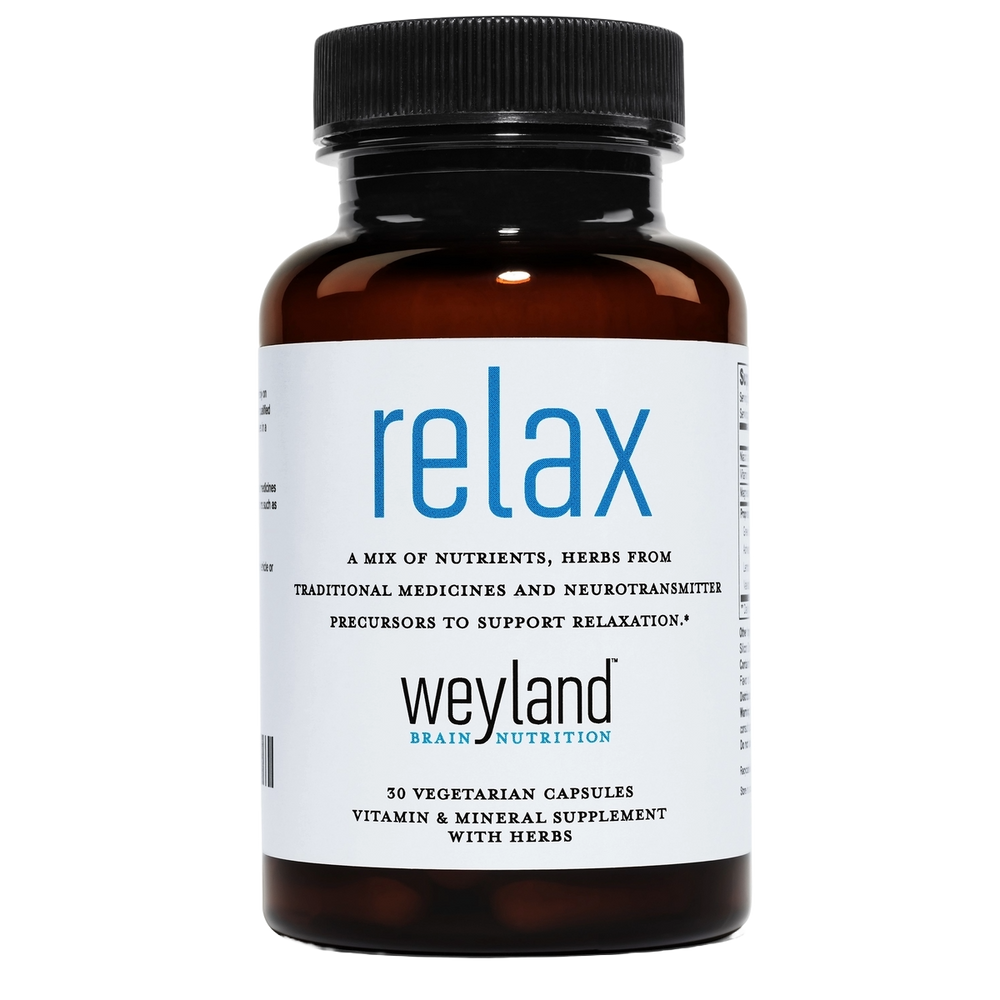
What Is Emotional Wellness?
Emotional wellness is the ability to manage life stressors and adapt to change. It is definitely not about feeling happy all the time. Simply ignoring sadness or frustration does not work. You build this kind of wellness by staying aware of your feelings, expressing them in healthy ways, and finding a sense of balance. Taking the time to understand your emotions helps you manage challenges thoughtfully rather than just reacting on impulse.
What Does Emotional Wellness Look Like in Real Life?
Seeing emotional wellness in action makes it much easier to practice mindfulness every day. You can easily spot these positive behaviors in how a person interacts with their environment and loved ones. The next few sections show exactly how a mindful approach changes your reactions at home, with others, and during busy tasks.
What Does Emotional Wellness Look Like at Home?
Staying aware of stress helps you maintain a peaceful environment inside your house. You learn to express your needs calmly to your family rather than letting frustration build over weeks. Making time to reset when you feel tired ensures your physical body and mind actually get the rest they need.
What Does Emotional Wellness Look Like in Relationships?
Communicating clearly prevents small misunderstandings from turning into major arguments with romantic partners or friends. Setting firm boundaries protects your energy and keeps your personal relationships healthy. Feeling connected and emotionally supported creates a safe space to share your thoughts without fear of judgment.
What Does Emotional Wellness Look Like at Work or School?
Handling pressure more steadily keeps your focus sharp during big projects at work or school. You respond to setbacks without completely shutting down, which shows a strong ability to learn from mistakes. Managing emotions in stressful moments helps you avoid panic and find clear solutions.

Why Does Emotional Wellness Matter?
Emotional wellness matters because it directly impacts your overall quality of life and your physical health. It completely changes the way you process difficult emotions. It even shapes the strength of your immune system. Exploring how it connects to different parts of your routine shows exactly why taking care of your feelings remains so important.
How Does Emotional Wellness Affect Relationships?
Good relationships thrive when both people can share their feelings openly and honestly. True emotional wellness allows you to offer emotional support to loved ones while also feeling secure enough to ask for help when you need it.
How Does Emotional Wellness Affect Work And School?
Your overall mental health directly determines your ability to concentrate and perform well under pressure. Maintaining balance helps you avoid total burnout and keeps your energy levels steady throughout the entire day.
How Does Emotional Wellness Affect Stress Levels?
Your ability to cope with feelings of stress improves drastically when you prioritize self-care. Emotional wellness gives you the practical tools to reduce feelings of stress before it turns into chronic anxiety.
How Does Emotional Wellness Affect Physical Well-Being?
A healthy emotional state lowers blood pressure and supports a strong physical body. On the flip side, poor emotional wellness often leads to physical symptoms like tension headaches, muscle pain, and trouble getting enough sleep.
What Are the Signs of Emotional Wellness?
Recognizing the signs of emotional wellness helps you measure your current progress. These specific traits indicate that you manage your daily life with a positive mindset. The points below highlight the key indicators of a strong emotional foundation:
-
Noticing and naming your feelings: Identifying your exact emotions is the very first step to processing them correctly. You can easily tell the difference between feeling angry, tired, or just a little overwhelmed.
-
Expressing emotions in a healthy way: Talking about your feelings calmly stops you from acting out or hurting others. You actively seek safe outlets, such as communication, writing, or physical activity, to release tension.
-
Handling stress without feeling overwhelmed: Unexpected challenges do not have to ruin your entire week. You bounce back from hard days because you know exactly how to cope with tension effectively.
-
Saying no when needed: Protecting your time by declining extra tasks shows high self-confidence and deep respect for your personal limits. Setting these kinds of boundaries keeps you from spreading yourself too thin.
-
Asking for help and accepting support: Reaching out for additional support proves you understand that you do not have to do everything alone. You trust your social connections and allow others to comfort you.

What Are the Signs of Poor Emotional Wellness?
Spotting the signs of poor emotional health allows you to take action before things get worse. These struggles indicate that your current coping methods might need a small adjustment. Reviewing these signs helps you decide if you need to talk to a mental health professional for guidance:
-
Overreacting to small problems: Minor inconveniences can suddenly trigger intense anger or deep sadness, leaving you feeling as if you have no energy to deal with basic daily tasks.
-
Bottling up your emotions: You constantly distract yourself to avoid sitting in the present moment with your thoughts, pushing negative feelings away until they return stronger later on.
-
Stress affecting daily life: Constant worry makes it incredibly difficult to relax or enjoy hobbies during your downtime, and this stress often spills over, ruining your focus at work.
-
Struggling to manage relationships: Frequent arguments and a severe lack of patience can quickly damage your supportive relationships, leading you to pull away from friends and family because interactions feel too draining.
-
Failing to relaease: Your mind races constantly, and you feel physically tense, making it seem impossible to turn off your anxious thoughts and achieve restful sleep.
Looking for an Easy Way to Build Better Emotional Habits?
When stress starts to affect your focus, sleep, or patience, simple support can make your routine feel more manageable. Explore Weyland Relax as part of a steady wellness plan built around calm and consistency.
See How Relax Fits Your RoutineWhat Is the Difference Between Emotional Wellness and Mental Health?
People often use these terms interchangeably, but they actually mean different things in the medical world. Emotional wellness is your daily ability to process and handle restlessness. Mental health is a much broader category that includes your psychological, social, and emotional well-being. You can have a diagnosed condition and still maintain good emotional wellness, just like you can have terrible emotional habits without having any specific mental health conditions.
Why Can Emotional Wellness Change Over Time?
Your emotional state does not stay exactly the same throughout your entire life. It shifts naturally depending on your sleep, daily habits, and the amount of stress you currently face. Major life events, changes in your community, or shifts in your physical health will quickly affect how emotionally stable you feel. Adjusting your routines to match these new challenges keeps you resilient.
What Are the Benefits of Emotional Wellness?
Building strong emotional wellness brings clear, practical improvements to your daily routine. It makes the hard days much more manageable and the good days far more fulfilling. The following benefits show exactly why investing time in your emotional health is always a smart choice:
-
Daily stress relief: Processing emotions quickly stops minor frustrations from piling up into a major breakdown, helping you face unexpected problems with a clear head.
-
Stronger relationships: Understanding your own feelings makes it easier to empathize with your loved ones' perspectives, naturally building a solid foundation of trust and teamwork.
-
Improved self-awareness: Checking in with yourself daily increases your overall awareness of what triggers your stress, so you can replace unhealthy patterns with better choices.
-
A more balanced life: Valuing your peace of mind helps you create clear boundaries between work and rest, finally giving you the time to focus on activities that actually make you feel good.
How Can You Improve Emotional Wellness?
Improving your emotional wellness requires small, intentional actions done consistently over time. You do not need a perfect routine to start seeing real changes in your mood. The strategies below offer healthy ways to strengthen your emotional resilience starting today:
-
Practicing mindfulness: Staying mindful keeps you grounded in the present rather than constantly worrying about the future. You can easily build this habit by focusing on your breathing for just five minutes.
-
Communicating clearly: Speaking your truth calmly reduces internal frustration and prevents deep resentment. Honest conversations help you connect deeply with any person in your life.
-
Managing pressure: Learning to manage pressures prevents your nervous system from living in constant overdrive. Finding a healthy physical outlet safely burns off anxious energy.
-
Prioritizing sleep: A well-rested brain processes difficult emotions much more efficiently than a tired one. Protecting your sleep schedule is a vital part of managing occasional feelings of depression and anxiety.
-
Maintaining physical self-care: taking care of your body directly affects the chemical balance in your brain. Regular physical activity and proper nutrition give you the stamina needed to cope with emotional hurdles.
-
Creating a balanced routine: A predictable daily schedule provides a comforting sense of safety during chaotic times. Finding a healthy balance between hard work and true relaxation keeps your mind incredibly sharp.

How Can You Check in with Your Emotional Wellness?
Self-reflection is the best tool for measuring your current emotional state. Taking a few moments to ask yourself honest questions prevents small issues from growing. Use the questions below to assess your own well-being today.
Are You Aware of How Stress Shows Up in Your Body?
Notice if your shoulders sit high or if your stomach feels tight during work. Your physical reactions often reveal stress long before your mind fully registers it.
Do You Give Yourself Time to Process Feelings?
Make sure you don't just rush from one task to the next without pausing. Letting yourself sit with a feeling helps it pass much faster.
Are You Caring for Yourself Each Day?
Look at your daily habits to see if you are eating well and resting enough. True self-care involves making choices that support your long-term health.
Do You Feel Comfortable Asking for Help?
Evaluate if you reach out to friends or a mental health professional when you feel stuck. Independence is great, but refusing support often leads to unnecessary suffering.
Do You Feel Supported in Your Relationships?
Check if the people around you lift you up or drain your energy. Healthy connections should leave you feeling valued and understood.
What Are Some Simple Emotional Wellness Habits To Start Today?
Improving your emotional health starts with just a few small actions. Tiny adjustments to a daily routine often lead to significant mental health benefits down the road. Try adding one of the following simple habits to your schedule this week:
-
Keep a short feelings journal: Writing down your thoughts for five minutes clears mental clutter and helps you spot specific triggers. This practice offers a private space to vent without any judgment.
-
Take breaks before tension builds up: A quick walk away from your desk helps prevent afternoon burnout. Taking action early stops physical tension from accumulating in your body.
-
Talk to someone you trust: Calling a loved one just to chat reminds you that you belong to a supportive community. Sharing a quick laugh or a worry lightens the mental load instantly.
-
Protect your sleep routine: Going to bed at the exact same time every night stabilizes your mood for the following day. Turning off screens an hour before bed dramatically improves the quality of your sleep.
-
Practice saying what you need clearly: Telling others exactly how they can help reduces unnecessary frustration. Clear communication builds stronger, more authentic bonds with the people around you.
Want More Simple Ways to Support Emotional Wellness Each Day?
Maintaining your overall mental health requires consistent daily actions and a willingness to learn new behaviors, and finding reliable information makes building those healthy routines much less overwhelming. Because nobody has time for complicated regimens that demand hours of extra effort, you need quick, realistic strategies that easily slide right into your busy schedule.
Small, intentional choices compound over time to build true emotional resilience.Weyland Brain Nutrition offers a library of free resources focused on keeping your mind sharp and balanced, breaking complex health topics into actionable steps.
Start exploring Weyland Brain Nutrition today to discover practical wellness tips, read more articles about emotional wellness, and build daily brain health habits that will keep you feeling grounded, focused, and ready for whatever life brings.
Take the Next Step Toward Daily Emotional Wellness
Small choices add up over time. If you want a simple product to pair with your emotional wellness habits, explore Weyland Relax and make calm support part of your everyday routine.
Shop Weyland RelaxFrequently Asked Questions
What is emotional wellness in simple words?
Emotional wellness is your ability to understand your feelings, handle daily stress, and adapt to life challenges in a balanced way.
Why is emotional wellness important?
It is vital because it directly impacts your physical health, the quality of your personal relationships, and your ability to manage stress effectively.
What are the signs of emotional wellness?
Clear signs include the ability to name your emotions, ask for help, set healthy boundaries, and bounce back from difficult situations.
How can I improve emotional wellness?
You can improve it by practicing mindfulness, maintaining physical self-care, getting enough sleep, and talking openly with supportive social connections.
How is emotional wellness different from mental health?
Emotional wellness focuses specifically on how you manage daily feelings and stress, while overall mental health is a broader term that includes psychological and social well-being.
References
-
National Center for Complementary and Integrative Health. (n.d.). 8 things to know about meditation and mindfulness. U.S. Department of Health and Human Services, National Institutes of Health. https://www.nccih.nih.gov/health/tips/8-things-to-know-about-meditation-and-mindfulness
-
National Heart, Lung, and Blood Institute. (2022, March 24). What are sleep deprivation and deficiency? U.S. Department of Health and Human Services, National Institutes of Health. https://www.nhlbi.nih.gov/health/sleep-deprivation
-
National Institute of Mental Health. (n.d.). I’m so stressed out! Fact sheet (NIH Publication No. 20-MH-8125). U.S. Department of Health and Human Services, National Institutes of Health. https://www.nimh.nih.gov/health/publications/so-stressed-out-fact-sheet
-
National Institutes of Health. (2025, January 21). Emotional wellness toolkit — More resources. U.S. Department of Health and Human Services. https://www.nih.gov/health-information/your-healthiest-self-wellness-toolkits/emotional-wellness-toolkit/emotional-wellness-toolkit-more-resources
Medical Disclaimer
The content on this page is for informational purposes only and is not intended as medical advice, diagnosis, or treatment. Always consult a qualified healthcare professional before making changes to your health regimen.
*These statements have not been evaluated by the Food and Drug Administration. Our products are not intended to diagnose, treat, cure, or prevent any disease.