Posted by GC Support
on May 08, 2026

Choosing a lithium orotate supplement comes down to clear elemental-lithium dosing, third-party testing, ingredient transparency, and trusted sourcing. Liquid drops and capsules both deliver the same compound; choice depends on personal routine. Always consult a healthcare provider before starting any supplement. *These statements have not been evaluated by the FDA. This product is not intended to diagnose, treat, cure, or prevent any disease.*
Table of Contents
- 1. Does Lithium Actually Cause Weight Gain?
- 2. Why Might Prescription Lithium Affect Body Weight?
- 3. How Is Lithium Orotate Different?
- 4. What Factors Influence Weight Changes on Lithium?
- 5. How Can You Support a Healthy Weight While Taking Lithium?
- 6. When Should You Talk to a Doctor About Weight Changes?
- 7. What's the Honest Takeaway?
The weight gain question tends to surface the moment lithium first comes up. A quick search, a paused scroll, and the supplement bottle in the cart suddenly looks more complicated than it did a minute ago. So, can lithium cause weight gain? Honest answer: it depends on which form of lithium is on the table, the dose involved, and the person taking it.
Weyland focuses on low-dose lithium orotate, which is a different category from prescription lithium used at therapeutic doses under medical care. What follows is a calm look at what the research actually says, where the concern about weight gain comes from, and how much the bigger picture of daily habits really matters.
A Different Category Entirely
Weyland's low-dose lithium orotate sits in the supplement category, not the prescription one. A single capsule, single-digit milligrams, no math required.
See the Bottle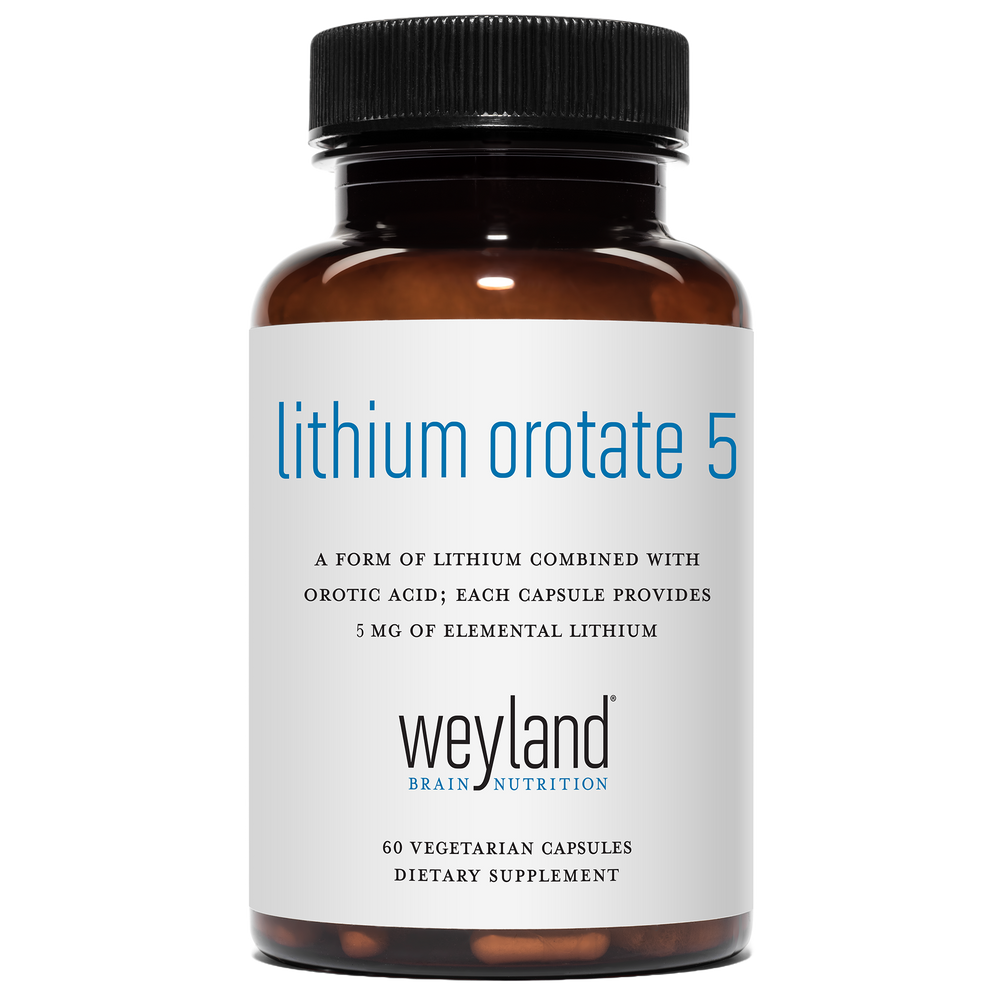
Does Lithium Actually Cause Weight Gain?
Lithium can be associated with weight gain, but the link is mostly tied to prescription lithium at therapeutic doses, not low-dose supplement forms. Form, dose, and individual response all shape the answer. Three pieces of context clear up the picture.
Prescription Lithium and Documented Effects
Prescription lithium has been associated with weight gain during long-term use, and research on it shows that some users gain a noticeable amount across several years of treatment under medical care. The change is usually gradual, not sudden, and occurs at therapeutic doses far above those found in dietary supplements.
Lithium Orotate at Supplement Doses
Lithium orotate is sold as a low-dose dietary supplement, typically delivering only a few milligrams of elemental lithium per capsule. No established research links low-dose lithium orotate to the kind of weight gain seen with prescription forms. The amounts are too small, and the use case is different.
Why Form and Dose Matter
The two share a name and almost nothing else when it comes to dosing. Prescription lithium is dosed in hundreds of milligrams under medical supervision. Lithium orotate is in the single-digit milligram range for daily supplementation. Treating them as the same product creates worry that science does not support.

Why Might Prescription Lithium Affect Body Weight?
Researchers studying prescription lithium have pointed to a handful of factors that may play a role in weight changes during long-term use:
-
Increased thirst that nudges people toward juice, soda, and other caloric beverages
-
Shifts in thyroid function over time, which can change the way the body uses energy
-
Fluid retention that pushes the number on the scale up before any real change in body composition
-
A slowed metabolism in some users during long stretches of treatment
-
Increased appetite or carbohydrate cravings, especially early on
-
Less physical activity from fatigue, particularly in the first few months
How Is Lithium Orotate Different?
Lithium orotate is a low-dose supplement used at single-digit milligram amounts that fall far below the levels associated with prescription lithium. The difference is not subtle. It shapes everything about how the two compare in weight.
A Trace Amount, Not a Therapeutic Dose
A 5 mg lithium orotate capsule delivers a tiny fraction of the elemental lithium found in a prescription dose. Trace amounts at this level do not produce the blood concentrations linked to weight changes in clinical research on prescription lithium. The supplement category lives in a different territory entirely.
No Established Link to Weight Gain
Published research on prescription lithium does not extend to lithium orotate at supplement doses. No solid clinical evidence ties low-dose lithium orotate to the kind of weight gain documented with therapeutic lithium. Reading prescription side-effect lists and projecting them onto a supplement is a leap the data does not support.
A Different Use Case Entirely
People take lithium orotate for general daily support, not as a stand-in for prescription care. The dose, the oversight, and the body's exposure to elemental lithium all run on different scales. Folding the two together as the same conversation creates worry without basis.
Built for the Daily Routine
Daily habits do most of the work. Weyland's low-dose lithium orotate is formulated as a simple, single-capsule routine that fits into the rest of the day without overhauling it.
See the Formula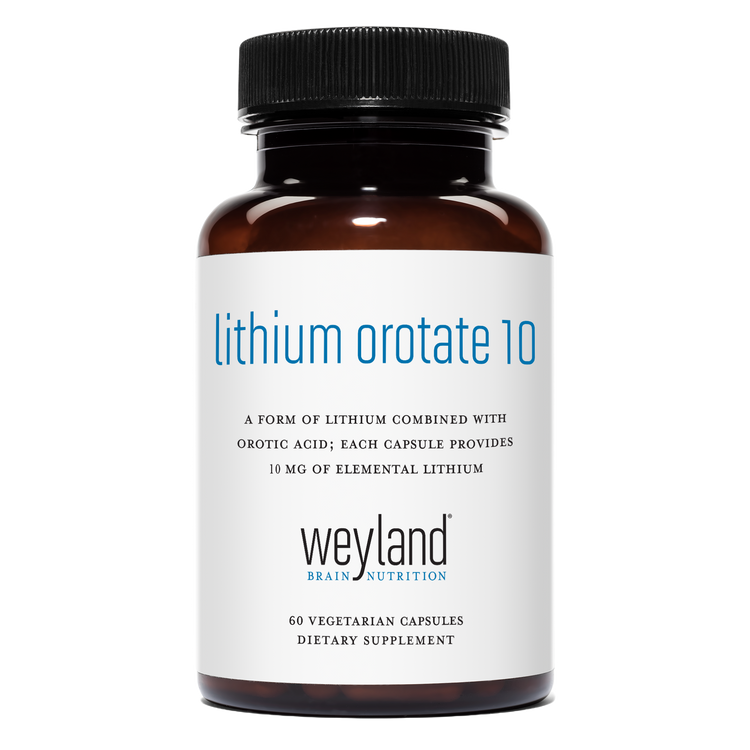
What Factors Influence Weight Changes on Lithium?
Body weight is shaped by many overlapping factors, not by a single supplement or medication. Pinning every shift in the scale to a single capsule misses the bigger picture. Four areas tend to matter most.
Diet and Daily Calorie Intake
What ends up on the plate every day still drives most weight changes for most people. Sugary drinks, frequent snacking, and oversized portions show up on the scale long before any supplement does. An honest food log usually reveals more than people expect.
Sleep and Stress Patterns
Poor sleep and chronic stress both nudge body weight upward over time. Late nights tend to bring late-night eating, and a stressed week often shows up as more snacking and bigger portions than usual. Steady sleep does more for weight than most single supplement adjustments ever will.
Activity Levels and Routine
Movement matters, even gentle activity like walking or stretching. A sedentary week tends to register on the scale more quickly than a chaotic eating week, especially over months. Building movement into a daily routine is one of those quiet habits that compounds over time.
Other Medications in the Mix
Plenty of medications can influence weight, including some antidepressants, antipsychotics, and steroids. Anyone on a medication stack should look at the full picture rather than blame a single one. A healthcare provider can help untangle which medication is doing what.

How Can You Support a Healthy Weight While Taking Lithium?
A few simple habits help support a steady weight during any supplement or medication routine:
-
Reaching for water or sparkling water instead of juice, soda, and other caloric beverages
-
Building meals around protein, fiber, and vegetables to flatten hunger spikes
-
Moving the body daily, even gently, with walking, stretching, or light strength work
-
Holding consistent sleep, ideally seven to nine hours at the same time each night
-
Tracking changes over weeks and months, not days, since real patterns take time to surface
-
Bringing any prescription lithium concerns directly to a healthcare provider
When Should You Talk to a Doctor About Weight Changes?
Any sudden or unexplained shift in body weight is worth a conversation with a healthcare provider, especially for anyone on prescription medication. A clinician can rule out underlying causes and adjust a treatment plan if needed. Three situations make the call especially worth making.
Sudden Shifts in a Short Window
A noticeable change in body weight over just a few weeks, with no obvious change in diet or activity, deserves a closer look from a doctor. Sudden shifts have many possible causes, and a clinician is the right person to sort through them. A quick visit can confirm whether anything needs follow-up.
Changes Paired With Other Symptoms
Weight changes that accompany fatigue, hair changes, mood shifts, or new physical symptoms suggest something bigger is going on. The combination matters more than any single symptom alone. A clinician should weigh in before assuming any one cause.
Concerns About Prescription Lithium
Anyone on prescription lithium and worried about weight should bring the concern to the prescribing doctor, not a blog post. Adjustments to a treatment plan need clinical input. Stopping or changing prescription lithium without medical guidance is never the right move.
What's the Honest Takeaway?
The weight gain question tied to lithium is mostly a prescription lithium question, not a supplement question. Prescription forms taken at therapeutic doses under medical care have been associated with gradual weight gain in long-term use. Low-dose lithium orotate sits in a different category, with no established link to the same effect.
For anyone exploring Weyland's low-dose lithium orotate, the bigger picture of daily habits, food, sleep, and movement still does most of the work in shaping body weight. Stay consistent. Pay attention to the broader routine. Let small daily choices add up.
Let Small Daily Choices Add Up
A steady routine, balanced meals, daily movement, and one low-dose capsule held consistent. Weyland's lithium orotate was built for exactly that kind of patient, layered approach.
Shop Weyland
Frequently Asked Questions
How much weight do people gain on lithium?
Research on prescription lithium suggests some users gain a moderate amount over years of long-term treatment, while no established research links low-dose lithium orotate to similar weight changes.
Does lithium orotate cause weight gain?
No established research links low-dose lithium orotate at supplement amounts to the kind of weight gain documented with prescription lithium at therapeutic doses.
Can you lose weight after stopping lithium?
Some people on prescription lithium do see body weight shift after stopping, though changes vary widely, and any decision to stop prescription lithium should be made with a doctor.
Is weight gain from lithium water retention or fat?
Reports from people on prescription lithium suggest fluid retention can show up early, while gradual changes in body composition tend to appear over longer use.
What's the best way to support a healthy weight while taking lithium?
Drinking water instead of caloric beverages, keeping meals balanced, moving daily, and prioritizing sleep usually do more for body weight than any single change to a supplement or medication.
References
-
Centers for Disease Control and Prevention. (2026, April 7). About healthy weight and growth. U.S. Department of Health and Human Services. https://www.cdc.gov/healthy-weight-growth/about/index.html
-
National Institute of Diabetes and Digestive and Kidney Diseases. (2021, March). Hypothyroidism (underactive thyroid). U.S. Department of Health and Human Services. https://www.niddk.nih.gov/health-information/endocrine-diseases/hypothyroidism
-
U.S. Food and Drug Administration. (2024, October 1). Dietary supplements. U.S. Department of Health and Human Services. https://www.fda.gov/food/dietary-supplements
-
U.S. National Library of Medicine. (2017, April 15). Lithium. MedlinePlus. https://medlineplus.gov/druginfo/meds/a681039.html
Medical Disclaimer
The content on this page is for informational purposes only and is not intended as medical advice, diagnosis, or treatment. Always consult a qualified healthcare professional before making changes to your health regimen.
*These statements have not been evaluated by the Food and Drug Administration. Our products are not intended to diagnose, treat, cure, or prevent any disease.