Posted by GC Support
on October 07, 2026

Table of Contents
Some pre-workout scoops pack 300 milligrams (mg) of caffeine or more. That's roughly three cups of coffee in one gulp, and many people never check the label. Most people guess at the dose and the timing, and a bad guess can bring jitters, a racing heart, or a restless night.
At Weyland Brain Nutrition, clear labels and known doses come first, and that idea shapes every tip here. Caffeine may be the best pre-gym supplement for many active adults, but only when the amount fits the body, and the timing protects sleep.
KNOW YOUR CAFFEINE BEFORE YOUR FIRST REP
Comparing caffeine options before the gym? Weyland Motivation! Herbal Caffeine + Energy provides 200 mg of caffeine per two-capsule serving. Take a closer look at a capsule option before choosing what fits your workout routine.
Meet Weyland Motivation!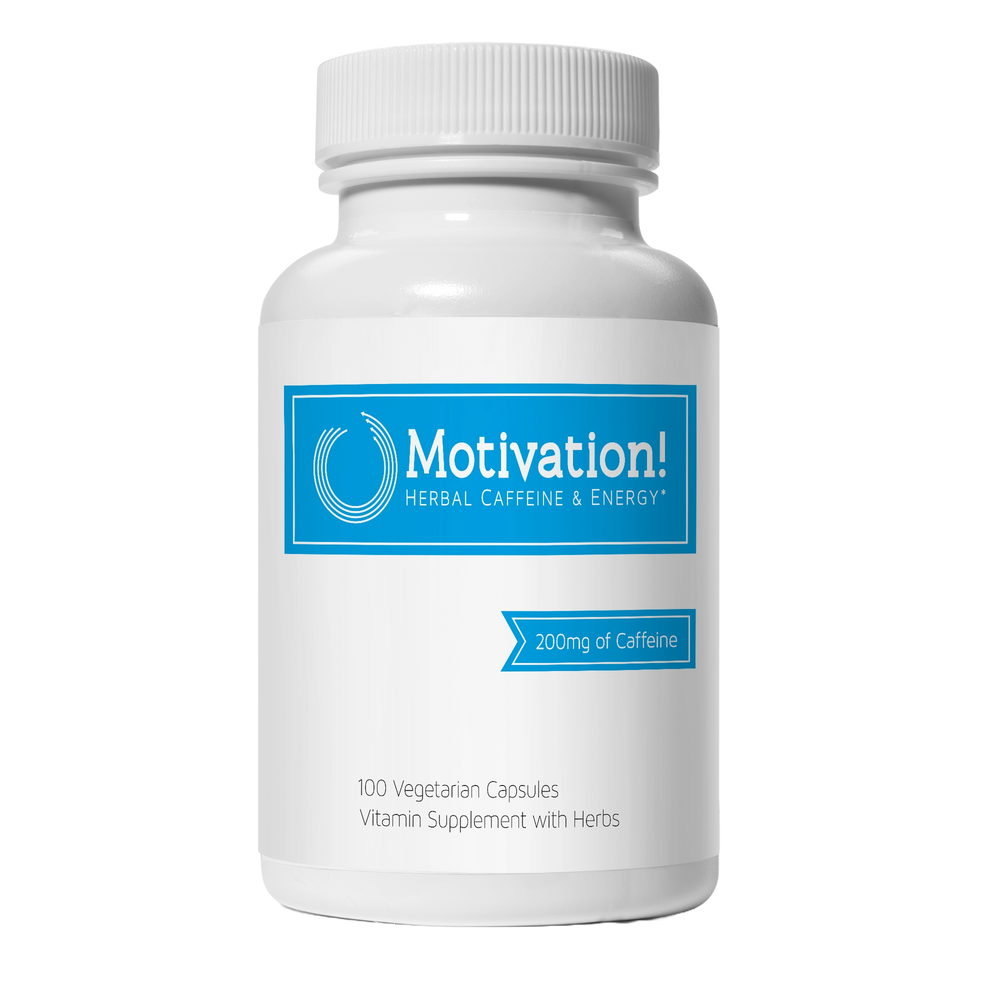
Does Caffeine Improve Workout Performance?
Moderate doses of caffeine may support performance in several types of exercise, according to the International Society of Sports Nutrition (ISSN) position stand on caffeine. The benefits show up in a few clear areas, from how long muscles keep working to how hard a set feels. Results vary, so treat these as possibilities rather than promises.
Better Muscular Endurance
Caffeine may help people squeeze out more reps or hold an effort longer during resistance training. The ISSN says caffeine can enhance muscular endurance, and it points to endurance exercise, like running or cycling, as the area with the most consistent gains. In those studies, caffeine often lengthens time to exhaustion, which is one way it may increase endurance.
Less Perceived Effort
Caffeine can make hard sets feel a little easier, even as muscle fatigue builds. That lower sense of effort may help people train harder, and it may play a part in delaying fatigue during intense efforts.
Support for Power and Speed
Research links caffeine to better athletic performance in sprinting, jumping, and high-intensity training. Responses differ from person to person, and some people notice little change at all.

How Much Caffeine Should You Take?
The ISSN reports that 3 to 6 mg of caffeine per kilogram of body weight is the range most often studied for exercise. Lower amounts may work too, and more isn't always better. The right number depends on body size, daily caffeine habits, and how sensitive someone is to it.
3 to 6 mg per Kilogram of Body Weight
To find a dose, divide body weight in pounds by 2.2 to get kilograms, then multiply by 3 for the low end. Many pre-workout products are marketed around men's health, but the math works the same for everyone. Here's a quick starting point:
| Body Weight | Low-End Dose (3 mg/kg) |
|---|---|
| 120 lb (54 kg) | About 165 mg |
| 150 lb (68 kg) | About 205 mg |
| 180 lb (82 kg) | About 245 mg |
| 210 lb (95 kg) | About 285 mg |
Starting at the Low End
Start at 3 mg/kg or less. First-timers and people who get jittery from coffee can go even lower; watch how energy levels and focus hold up, and adjust based on the workout experience.
Staying Under 400 mg a Day
The U.S. Food and Drug Administration (FDA) cites 400 mg a day as an amount not generally linked to dangerous effects in healthy adults. The high end of the ISSN range can pass that limit for heavier people, since 6 mg/kg for a 180-pound person is about 490 mg. Coffee, tea, and energy drinks all count toward the daily total, so it helps to judge energy drinks by what's on the label.
CHECK THE SERVING. PLAN THE TIMING.
Your pre-gym choice needs to fit more than your workout. Review Motivation!’s ingredients and serving directions, then consider your training time, bedtime, and caffeine from other sources. Start with the label, not a bigger serving.
See Ingredients & Directions
When Should You Take Caffeine before a Workout?
Most research suggests taking caffeine about 60 minutes before exercise. That window lets blood levels rise close to peak by the first set. Timing also affects sleep later that night, which matters as much as the workout itself.
About 60 Minutes Before Exercise
A simple routine works well: eat a light meal, take caffeine, and head to the gym about an hour later. For sustained energy through a long session, a well-timed moderate dose usually beats a bigger scoop.
A Longer Lead Time for Capsules
Capsules and tablets need time to break down before caffeine reaches the blood. Caffeine gum and drinks may work a little faster, so the full hour matters most for pills.
Protection from Sleep Disruption
A 2013 sleep study found that caffeine taken 6 hours before bed still cut total sleep by more than an hour. For evening sessions, use a smaller dose or skip caffeine entirely, and avoid taking it within six hours of bedtime. People with sleep issues may want an even earlier cutoff, and these tips on resetting a sleep schedule can help.

Is Caffeine the Best Pre-Gym Supplement?
Caffeine is one of the most researched pre-gym supplements, and many of the best pre-workout supplements pair it with other ingredients. The best pre-workout for any one person depends on fitness goals and training style.
Beyond caffeine, pre-workout formulas often include:
-
Beta-alanine: may support muscular endurance during intense efforts. It can cause a harmless, temporary tingling called paresthesia.
-
L-citrulline: often included to support blood flow during exercise.
-
Creatine monohydrate: with consistent use and resistance training, creatine supports muscle growth and gains in lean body mass. Daily intake matters more than timing.
-
Amino acids: some formulas add essential amino acids or branched-chain amino acids, though total protein intake from food matters more for lean muscle and muscle recovery.
For people who mainly want to support energy and focus, a simpler formula with a clearly listed caffeine content may be enough. People with muscle-building goals may want creatine as a separate daily supplement, since the amount in a pre-workout scoop varies. For other options, this look at energy support for workouts and recovery covers more ground.
Label quality matters too. Look for pre-workout products that are third-party tested, made in a GMP-certified facility, or NSF Certified for Sport. Proprietary blends list ingredients without every amount, so at least make sure the caffeine content is printed clearly before paying full price.

Can Too Much Caffeine Hurt Your Workout?
High doses of caffeine can backfire and leave a workout feeling worse. The ISSN notes that very high amounts, around 9 mg/kg, raise side effects without clear added benefit. More caffeine doesn't equal better performance.
Taking more than the body handles well may lead to:
-
Jitters or a restless, anxious feeling
-
A racing heart
-
A short-term rise in blood pressure
-
An upset stomach mid-workout
-
Trouble falling or staying asleep
People who are pregnant, under 18, taking medications, or managing a heart condition or high blood pressure should talk with a healthcare professional before using caffeine supplements.
Is Your Pre-Gym Dose Dialed In?
Start near 3 mg/kg, take caffeine about an hour before training, and keep your total under 400 mg a day from all sources. Sleep still drives muscle recovery, so late-day caffeine deserves a hard cutoff.
For a simple, labeled option, Weyland Motivation! Herbal Caffeine + Energy provides 200 mg of caffeine from guarana seed extract per two-capsule serving, plus B vitamins, green tea extract, and L-theanine. The label suggests taking it with a meal, which fits a light pre-gym snack.
Check the label, pick your dose, and let your next session show the difference.
READY TO LEAVE THE SCOOP BEHIND?
Prefer capsules for your pre-gym routine? Choose Weyland Motivation! Herbal Caffeine + Energy for a clearly labeled caffeine option. Follow the product directions, count caffeine from all sources, and keep sleep and recovery first.
Shop Weyland Motivation!
Frequently Asked Questions
Is 200 mg of caffeine enough before a workout?
For many adults, 200 mg is a solid starting dose, since it equals about 3 mg/kg for a 150-pound person, the low end of the range most often studied.
Can you take caffeine pills instead of pre-workout?
Caffeine pills can replace pre-workout supplements for people who mainly want energy, though they skip extras like beta-alanine, L-citrulline, or creatine that some pre-workout formulas include.
How much caffeine is in pre-workout powder?
Many pre-workout powders contain 150 to 300 mg of caffeine per scoop, and some brands go higher, so check the label before mixing a full scoop.
Why does pre-workout make your skin tingle?
That temporary tingling usually comes from beta-alanine, and the feeling, called paresthesia, is generally considered harmless and tends to fade on its own after a while.
Is it OK to take caffeine before a workout every day?
Many healthy adults take caffeine daily within the 400 mg guideline, but tolerance builds over time, so caffeine may do less to reduce fatigue, and stopping suddenly can cause headaches.
References
-
American Academy of Sleep Medicine. (2013, November 14). Late afternoon and early evening caffeine can disrupt sleep at night [Press release]. https://aasm.org/late-afternoon-and-early-evening-caffeine-can-disrupt-sleep-at-night/
-
Guest, N. S., VanDusseldorp, T. A., Nelson, M. T., Grgic, J., Schoenfeld, B. J., Jenkins, N. D. M., Arent, S. M., Antonio, J., Stout, J. R., Trexler, E. T., Smith-Ryan, A. E., Goldstein, E. R., Kalman, D. S., & Campbell, B. I. (2021). International Society of Sports Nutrition position stand: Caffeine and exercise performance. Journal of the International Society of Sports Nutrition, 18(1), Article 1. https://doi.org/10.1186/s12970-020-00383-4
-
Matsumura, T., Tomoo, K., Sugimoto, T., Tsukamoto, H., Shinohara, Y., Otsuka, M., & Hashimoto, T. (2023). Acute effect of caffeine supplementation on 100-m sprint running performance: A field test. Medicine & Science in Sports & Exercise, 55(3), 525–533. https://doi.org/10.1249/MSS.0000000000003057
-
U.S. Food and Drug Administration. (2024, August 28). Spilling the beans: How much caffeine is too much? https://www.fda.gov/consumers/consumer-updates/spilling-beans-how-much-caffeine-too-much
Medical Disclaimer
The content on this page is for informational purposes only and is not intended as medical advice, diagnosis, or treatment. Always consult a qualified healthcare professional before making changes to your health regimen.
*These statements have not been evaluated by the Food and Drug Administration. Our products are not intended to diagnose, treat, cure, or prevent any disease.


