Posted by GC Support
on September 02, 2026

Table of Contents
- 1. Why Do People Look for Natural Energy Supplements?
- 2. What Makes a Supplement "Natural"?
- 3. Which Vitamins Are Considered Natural Energy Boosters?
- 4. Do Minerals Count as Natural Energy Support?
- 5. What Herbs Boost Energy Naturally?
- 6. What Are the Best Daily Natural Options?
- 7. How Do Natural Supplements Compare to Synthetic Options?
- 8. How Should You Choose the Right Natural Supplement?
- 9. Can Natural Energy Supplements Support Mental Focus Too?
- 10. What Safety Considerations Matter?
- 11. Is It Time to Rethink Your Energy Routine?
The word natural sells, and nowhere is that clearer than on the shelf of energy products. Shoppers tired of jittery energy drinks and mystery formulas increasingly reach for options that feel cleaner and closer to food. That demand has made natural energy supplements one of the fastest-growing corners of wellness. But natural is a fuzzy word, and it does not always mean safer, stronger, or better.
Weyland Brain Nutrition follows this space for readers who want facts over marketing. Knowing what natural really means and which ingredients earn the label is the key to spending wisely on energy support.
LOOKING FOR ENERGY SUPPORT WITH BOTANICAL INGREDIENTS?
Natural does not have to mean vague. Weyland Energy combines botanically sourced caffeine, a complete B-complex, and energy-supportive herbs in one convenient formula for a more intentional daily routine.
Explore Weyland Energy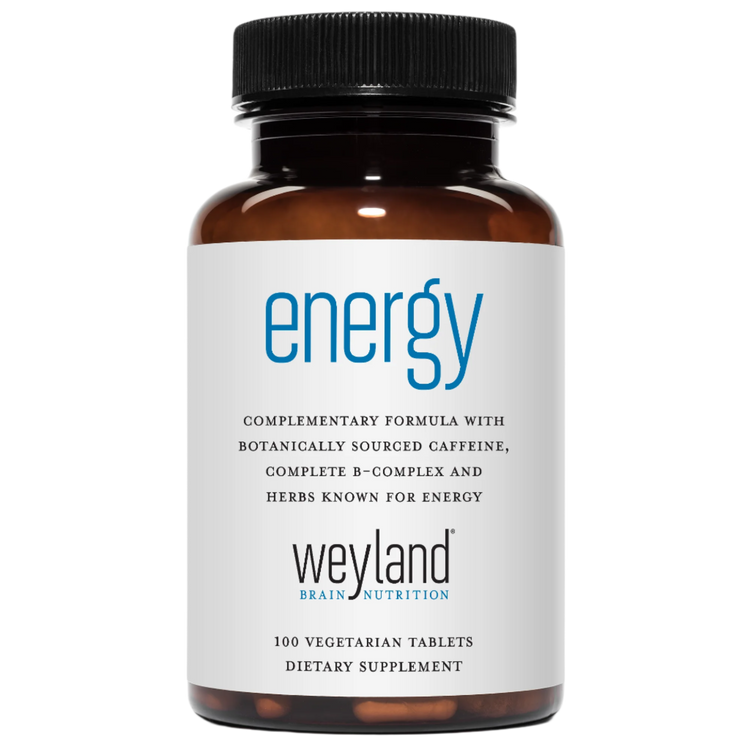
Why Do People Look for Natural Energy Supplements?
People look for natural energy supplements because they want lasting energy without harsh stimulants or long ingredient lists. Fatigue is common, and many prefer support that feels close to real food. The reasons below explain the pull toward natural options.
Lifestyle Pressures
Busy modern life leaves many people drained by mid-afternoon. Long hours, screen time, and skipped meals drain energy, and heavy caffeine only masks it for a while. Lifestyle factors like too little movement and poor sleep add to the slump. Natural supplements appeal to those who want steady support instead of another spike and crash.
Nutritional Deficiencies
Nutritional gaps are a leading cause of low energy. A diet short on whole grains, produce, and lean protein can leave the body missing essential nutrients like B vitamins, iron, and magnesium. Even mild shortfalls slow cellular energy production and bring on fatigue. A healthy diet is the foundation, and natural supplements can fill in what meals miss.
Stress and Sleep Challenges
Stress and poor sleep drain energy long before the body runs out of fuel. Constant pressure raises stress hormones and keeps the body on alert, which burns through nutrients faster. Broken sleep blocks the recovery that restores steady energy levels, leaving mental fatigue behind. Better rest and stress management, paired with the right nutrients, help the body bounce back.

What Makes a Supplement "Natural"?
A supplement is usually called natural when its ingredients come from plants, whole foods, or nutrients that occur in nature, with little processing. The FDA has no official definition of "natural" for supplements, so it means different things to different brands. The traits below are what most people expect from a natural product.
Plant-Based Ingredients
Plant-based ingredients are a hallmark of natural energy supplements. Herbs like rhodiola, ginseng, and green tea come straight from plants and have long histories of use for energy. These natural compounds work with the body rather than forcing a hard stimulant effect. Plant sources also often bring extra nutrients along for the ride.
Naturally Occurring Nutrients
Naturally occurring nutrients are vitamins and minerals the body already knows how to use. B vitamins, iron, magnesium, and vitamin C all appear in everyday foods, and healthy fatty acids from fish or seeds add more support. Some natural supplements pull these from whole-food sources like sprouts or algae instead of a lab. The body handles them the same way it handles nutrients from a meal.
Minimal Processing
Minimal processing sets many natural supplements apart from heavily made products. These options skip artificial colors, sweeteners, and long lists of synthetic fillers. Fewer additives can mean a cleaner label and, for some people, an easier time on the stomach. Still, less processing does not automatically make a product safer or more effective.
r time on the stomach. Still, less processing does not automatically make a product safer or more effective.CHOOSE WHAT IS INSIDE, NOT JUST WHAT THE LABEL SAYS
A natural label tells only part of the story. Weyland Energy brings together botanically sourced caffeine, complete B-complex vitamins, and supportive herbs so you can focus on the actual ingredients behind your energy routine.
See What's Inside
Which Vitamins Are Considered Natural Energy Boosters?
A few vitamins are widely seen as natural energy boosters because they help turn food into fuel. B vitamins, vitamin D, and iron each support how the body makes energy. Here is what each one does.
B Vitamins for Metabolism
B vitamins power metabolism by helping the body convert food into usable energy. This group, including vitamin B12 and folic acid, keeps energy metabolism running and supports red blood cell formation. Healthy red blood cells carry oxygen to the muscles and brain, which fights fatigue. Whole grains, eggs, and leafy greens are natural sources, and a B complex can fill gaps.
Vitamin D for Vitality
Vitamin D supports vitality by keeping muscles and mood in good shape. Sunlight is the most natural source, but many people run low, especially in winter. Low vitamin D is linked with tiredness and muscle weakness. A simple blood test can show whether adding this vitamin helps overall health.
Iron for Energy Production
Iron drives energy production by supporting oxygen transport through the blood. When iron runs low, less oxygen reaches cells, which can cause fatigue. Eating iron-rich foods such as lean meat, beans, and spinach builds iron levels naturally, and vitamin C helps the body absorb the iron. Iron supplements should follow a blood test, since an iron deficiency needs confirming and iron overload is harmful.

Do Minerals Count as Natural Energy Support?
Minerals count as natural energy support because the body pulls them straight from food and water. Magnesium and zinc both come from natural sources and drive the reactions that make energy. Both are easy to fall short on.
Magnesium for Balance
Magnesium keeps energy in balance by supporting the reactions that make adenosine triphosphate (ATP), the body's main fuel. Most ATP is made inside the mitochondria, the tiny engines in each cell, so magnesium supports healthy mitochondrial function. Low magnesium can cause cramps, muscle weakness, and a run-down feeling. Magnesium-rich foods like nuts and greens, or magnesium supplements, help restore steady energy.
Zinc for Cellular Function
Zinc supports cellular function and the enzymes behind normal metabolism. It helps the body repair muscle mass, defend the immune system, and keep cells and muscle function working well. Low zinc can leave you tired and more prone to getting sick. Lean meat, seeds, and whole grains are natural sources that usually supply enough.
What Herbs Boost Energy Naturally?
Several herbs boost energy naturally by helping the body handle stress and use fuel well. These come from alternative and complementary traditions, and some have solid research behind them. Three stand out.
Adaptogens: Rhodiola, Ashwagandha
Adaptogens are herbs that help the body adapt to stress and fatigue. Rhodiola may ease mental fatigue and support focus during long days. Ashwagandha is studied for calming the stress response, which can protect energy over time. Early research looks promising, though effects vary from person to person.
Green Tea Extract
Green tea extract gives a gentle lift from a small, natural dose of caffeine. Unlike a strong energy drink, it releases energy slowly, which means fewer jitters. It also carries antioxidants and calming amino acids tied to focus and overall health. For many people, it is a mild, natural way to stay sharp.
Ginseng
Ginseng is a traditional herb used to support stamina and physical and mental performance. Some studies suggest it may reduce fatigue and support endurance and athletic performance. As a natural remedy, it has centuries of use behind it. Quality and dose matter, so choose trusted brands.

What Are the Best Daily Natural Options?
Picking a few reliable options makes a natural routine easy to keep. Here are practical natural supplements often chosen for sustained energy support:
-
B complex for metabolism and converting food into fuel
-
Magnesium for relaxation and balance
-
Rhodiola for stress resilience
-
Green tea extract for gentle stimulation
-
Ginseng for stamina
A steady mix like this supports consistent energy for most healthy adults.
How Do Natural Supplements Compare to Synthetic Options?
Natural and synthetic supplements are more alike than many labels suggest. For many nutrients, the synthetic form is the same molecule the body uses from food, so the difference comes down to form, extras, and quality rather than the natural label alone. Here is where the real differences show up:
| Factor | Natural / whole-food | Synthetic |
|---|---|---|
| Cofactors | Often comes with helper compounds that aid absorption | Usually, the single nutrient, no extras |
| Cost and dosing | Sometimes pricier, the dose can vary | Cheaper, precise dose |
| Fillers | Often skips artificial colors and fillers | May contain more additives |
| Extra benefits | May support overall health through many compounds | Matches a natural form for the specific job |
| Safety | Not automatically safer; strong at high doses | Safe when quality-tested and dosed right |
How Should You Choose the Right Natural Supplement?
Choosing the right natural supplement comes down to quality, dose, and expert input. The natural label alone does not prove a product is good or safe. A few simple checks help you pick well:
-
Quality and transparency: Third-party testing, clear labels with exact amounts and sources, no vague blends.
-
Dosage and form: Follow label directions, pair iron with vitamin C for uptake, avoid high doses unless advised.
-
Professional guidance: Ask a healthcare provider for a blood test to catch gaps like an iron deficiency and set safe amounts.
Can Natural Energy Supplements Support Mental Focus Too?
Natural energy supplements can support mental focus, not just physical stamina. The nutrients that fuel the body also feed the brain. Clear thinking depends on good fuel and steady blood sugar.
Concentration and Clarity
Certain nutrients support concentration and clarity by keeping brain cells well supplied. B vitamins support brain energy metabolism, and steady iron helps ensure enough oxygen reaches the brain. Together, they help clear mental fog and support brain function and mental clarity throughout the day. Good fuel keeps focus sharp.
Stress Adaptation
Adaptogens help the mind adapt to stress, which protects focus under pressure. Herbs like rhodiola and ashwagandha may soften the drain that stress puts on concentration. Better balance leaves more room for calm, useful energy. Paired with rest, these herbs support a clearer head.
What Safety Considerations Matter?
Safety matters because natural does not mean risk-free. Many plant compounds are strong, and some interact with medicines. A few precautions keep you safe:
-
Dosage awareness: Stick to label amounts, since high doses of iron, zinc, or fat-soluble vitamins can build up and cause harm.
-
Medication interactions: Share a full supplement list with a provider, as herbs and minerals can affect heart or blood pressure drugs.
-
Importance of consultation: Check first if tiredness lingers, since chronic fatigue or a thyroid problem needs medical care, not a supplement.
Is It Time to Rethink Your Energy Routine?
Rethinking your energy routine means looking past the label to what actually works. Lasting energy grows from a balanced diet, good sleep, regular movement, proper hydration, and stress care, with natural energy supplements filling real nutritional gaps.
Vitamins like B12, minerals like magnesium, and herbs like rhodiola support steady energy and sustained vitality, though natural alone doesn't guarantee safety or strength. Judge products by quality, dose, and testing, and check with a provider when unsure.
Explore Weyland Energy Tablets to make informed choices about the natural support that fits your life.
BUILD A MORE THOUGHTFUL ENERGY ROUTINE
Good nutrition, sleep, hydration, movement, and stress care remain the foundation. Weyland Energy can complement those habits with botanically sourced caffeine, a complete B-complex, and energy-supportive herbs in one streamlined formula.
Shop Weyland Energy
Frequently Asked Questions
What are natural energy supplements?
Natural energy supplements are products made from plants, whole foods, or naturally occurring vitamins and minerals that support energy with minimal processing.
Are natural supplements safer than synthetic ones?
Not automatically, since safety depends on the ingredient, dose, and quality rather than the natural label, and even plant compounds can cause side effects.
How long do natural energy supplements take to work?
Natural energy supplements often take two to six weeks to show a clear effect, since the body needs time to rebuild nutrient levels and reduce fatigue.
Can natural supplements replace coffee or energy drinks?
Yes, natural supplements like green tea extract and adaptogens can replace coffee or energy drinks for many people, offering steadier energy with fewer jitters.
Should you consult a doctor before using natural energy supplements?
Yes, consulting a healthcare provider before using natural energy supplements is wise, especially if you have a health condition, are pregnant, or are taking prescription drugs.
References
-
Dunn, J., & Grider, M. H. (2023). Physiology, Adenosine Triphosphate. In StatPearls. StatPearls Publishing. https://pubmed.ncbi.nlm.nih.gov/31985968/
-
Farris A. L. (2010). The "natural" aversion: the FDA's reluctance to define a leading food-industry marketing claim, and the pressing need for a workable rule. Food and drug law journal, 65(2), 403–iv. https://pubmed.ncbi.nlm.nih.gov/24475548/
-
Jagim, A. R., Fields, J., Magee, M. K., Kerksick, C. M., & Jones, M. T. (2022). Contributing Factors to Low Energy Availability in Female Athletes: A Narrative Review of Energy Availability, Training Demands, Nutrition Barriers, Body Image, and Disordered Eating. Nutrients, 14(5), 986. https://doi.org/10.3390/nu14050986
-
Kalmbach, D. A., Anderson, J. R., & Drake, C. L. (2018). The impact of stress on sleep: Pathogenic sleep reactivity as a vulnerability to insomnia and circadian disorders. Journal of sleep research, 27(6), e12710. https://doi.org/10.1111/jsr.12710
Medical Disclaimer
The content on this page is for informational purposes only and is not intended as medical advice, diagnosis, or treatment. Always consult a qualified healthcare professional before making changes to your health regimen.
*These statements have not been evaluated by the Food and Drug Administration. Our products are not intended to diagnose, treat, cure, or prevent any disease.