Posted by GC Support
on July 27, 2026

Table of Contents
- 1. Where Do Japanese Green Teas Come From?
- 2. What Is Sencha?
- 3. What Is Matcha?
- 4. What Is Green Tea Extract?
- 5. How Do Sencha, Matcha, and Extract Compare?
- 6. Which Japanese Green Tea Source Fits Your Routine?
- 7. How Do You Choose a Quality Green Tea Product?
- 8. Sencha, Matcha, or Extract: Pick Your Path
Sencha, Matcha, and a Japanese green tea extract all come from one single plant, yet they look, taste, and fit into a daily routine in very different ways. A plain guide explores the three main sources of Japanese green tea and shows how to choose among them.
Weyland Brain Nutrition makes a third-party-tested green tea extract for people who want those active polyphenols without brewing a pot.
Want Green Tea Polyphenols Without Brewing?
Weyland Green Tea Extract provides a simple, measured source of EGCG and beneficial polyphenols for a more convenient daily routine.
See Weyland Green Tea Extract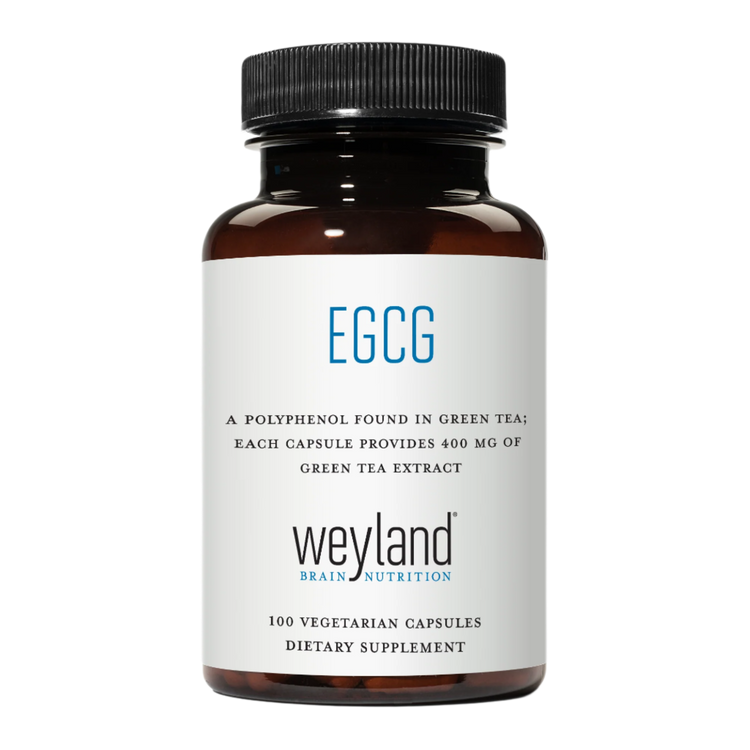
Where Do Japanese Green Teas Come From?
Every form starts with the same plant grown in a very particular way. The final color and flavor depend completely on the specific harvest and preparation steps.
One Plant, Camellia Sinensis
All green tea originates from the Camellia sinensis plant. The big differences found in the final cup come entirely from unique growing and processing methods.
The Japanese Difference
Many Japanese greens are steamed rather than pan-fried. This specific steaming technique shapes the vibrant color and fresh flavor that people love.

What Is Sencha?
Sencha stands as Japan's everyday beverage of choice. This variety offers a light experience suitable for casual sipping throughout the afternoon.
The Everyday Loose-Leaf Tea
Sencha is a whole loose-leaf green tea that requires brewing and straining. It remains the most common tea found across the country.
Flavor and Caffeine
A cup delivers a brisk, grassy flavor alongside moderate caffeine. The drinker discards the leaf after steeping it in hot water.
What Is Matcha?
Matcha sets itself apart by using the whole leaf rather than being steeped. This unique preparation method requires a few specialized tools for a perfect result.
Whole Shade-Grown Leaf, Ground
Farmers cultivate shade-grown leaves and stone-grind them into a fine powder. You whisk the powder directly into water so the entire leaf goes into the body.
Stronger, Fuller, More Caffeine
Eating the actual leaf means Matcha tends to deliver more caffeine than a cup of Sencha. It also provides a much richer, fuller taste.
What Is Green Tea Extract?
Green tea extract is the most concentrated and measured form available. It allows users to skip the preparation time completely while still getting valuable nutrients.
Concentrated Polyphenols in a Capsule
An extract standardizes the plant's active polyphenol compounds and epigallocatechin gallate (EGCG) into a simple capsule. You get the benefits without any brewing or whisking. These helpful antioxidants also support general skin and hair health.
Consistent and Convenient
A supplement delivers a set amount of nutrients each time, allowing for a highly consistent routine. Traditional brewing cannot guarantee this exact measurement. This is the specific form Weyland makes for customers seeking daily support.
Prefer a Consistent EGCG Serving?
Skip the measuring and whisking with a third-party-tested green tea extract made for people who value clear potency and everyday convenience.
Explore the EGCG Formula
How Do Sencha, Matcha, and Extract Compare?
Each source perfectly suits a different kind of person and daily routine. Comparing the options helps narrow down the absolute best choice for your lifestyle:
-
Sencha provides a light daily ritual for people who enjoy brewing and sipping slowly.
-
Matcha offers a fuller flavor and more caffeine than green tea for those who want to consume the whole leaf.
-
Extract delivers a measured, no-fuss polyphenol dose for people running short on time.
The best choice simply comes down to routine, taste preferences, and how much consistency a person wants. Reviewing your daily habits will point you toward the right fit.
Which Japanese Green Tea Source Fits Your Routine?
A few simple questions point directly to the right form for your needs. Identifying your main goal prevents any problem when exploring different tea options:
-
Prefer a daily ritual and do not mind the prep work? Sencha or Matcha will work best.
-
Want the strongest flavor and highest caffeine per serving? Choose Matcha.
-
Want a set polyphenol amount with zero brewing? Pick a tea extract.
-
Watching caffeine intake closely? Look for a standardized extract and read the label carefully.
Many people actually use more than one variety throughout the week. They save traditional tea for a relaxing ritual and use a Japanese green tea extract for a steady daily dose.

How Do You Choose a Quality Green Tea Product?
Quality signals vary slightly depending on the specific form you purchase. Knowing what to look for on a website or packaging helps protect your investment.
For Tea: Origin and Freshness
Look for a clear harvest date and specific regional sourcing shown on the package. Proper storage remains essential to keep the leaves fresh and prevent staleness.
For Extract: Testing and Standardization
Check the site for a clear EGCG and polyphenol percentage. Look for third-party testing and cGMP manufacturing details before adding items to your cart. Weyland's extract is third-party tested and made in an FDA-registered, cGMP-compliant facility.
A reliable website provides clear details about shipping costs and security before you reach the checkout page. This ensures you can order and purchase products without a problem. If you are interested in a specific item but unable to find this information, contact the brand directly.
Remember always to consume your chosen supplement with food to prevent stomach irritation. Taking it on an empty stomach can lead to mild discomfort.
Sencha, Matcha, or Extract: Pick Your Path
The same plant produces three distinct forms, each suited to a different routine. You must choose based on your taste and lifestyle to get the most value. If a steady, measured dose is the primary goal, an extract serves as the simplest route. Weyland Brain Nutrition's green tea extract offers a great choice for readers who want reliable catechins without the brewing.
Make Japanese Green Tea Simpler
Choose a tested, standardized green tea extract when you want reliable catechins without adding another brewing ritual to your day.
Shop Green Tea Extract
Frequently Asked Questions
Is Matcha stronger than Sencha?
Matcha generally provides a stronger flavor and more caffeine than Sencha. This happens because the drinker consumes the entire powdered leaf instead of just steeping it in hot water.
Does green tea extract have more EGCG than brewed tea?
A standardized extract typically contains a much higher concentration of epigallocatechin gallate than a standard cup of brewed tea. It isolates the most active plant compounds into one single serving.
Which has more caffeine: Matcha, Sencha, or green tea extract?
Matcha usually contains the most natural caffeine per serving among the traditional teas. A decaffeinated extract provides the lowest amount for those sensitive to daily stimulants.
Is green tea extract as healthy as drinking green tea?
An extract delivers the exact same supportive polyphenols as a brewed beverage. It simply offers those nutrients in a faster and highly concentrated format that fits busy schedules.
What is the difference between Matcha and green tea extract?
Matcha is a finely ground whole leaf meant to be whisked into a warm drink. A tea extract isolates specific plant compounds into a capsule to deliver health support quickly.
References
-
Niu, L., Luo, Y., Xie, W., Wang, C., & Liu, Z. (2026). Dietary (-)-Epigallocatechin Gallate (EGCG): State-of-the-Art Advances in Bioactivities, Bioavailability Enhancement Strategies, and Applications in Nutrition and Health. Nutrients, 18(2), 317. https://doi.org/10.3390/nu18020317
-
Prasanth, M. I., Sivamaruthi, B. S., Chaiyasut, C., & Tencomnao, T. (2019). A Review of the Role of Green Tea (Camellia sinensis) in Antiphotoaging, Stress Resistance, Neuroprotection, and Autophagy. Nutrients, 11(2), 474. https://doi.org/10.3390/nu11020474
Medical Disclaimer
The content on this page is for informational purposes only and is not intended as medical advice, diagnosis, or treatment. Always consult a qualified healthcare professional before making changes to your health regimen.
*These statements have not been evaluated by the Food and Drug Administration. Our products are not intended to diagnose, treat, cure, or prevent any disease.