Posted by GC Support
on March 31, 2026

Table of Contents
Overview
The study “Lithium Orotate, Carbonate and Chloride: Pharmacokinetics, Polydipsia and Polyuria in Rats” by Smith et al. (1976). This scientific paper provides a detailed background on the absorption and movement of different lithium compounds. Prior to this study, a researcher named Nieper introduced lithium orotate as a new therapeutic drug, claiming it had special properties that enabled it to cross cell membranes more readily. Nieper believed that the orotate form would specifically target central nervous system tissues, releasing lithium ions directly into cells. Because there was no detailed information available at the time to prove or disprove this theory, Smith designed this study to strictly examine the pharmacokinetics (the movement of drugs within the body) of the lithium ion when given as lithium orotate (LiOr), lithium carbonate (Li2CO3), and lithium chloride (LiCl).
Cut Through the Lithium Myths
Confused by conflicting claims about lithium orotate vs. traditional forms? Discover science-backed solutions designed for clarity, quality, and real results.
Explore Smarter Options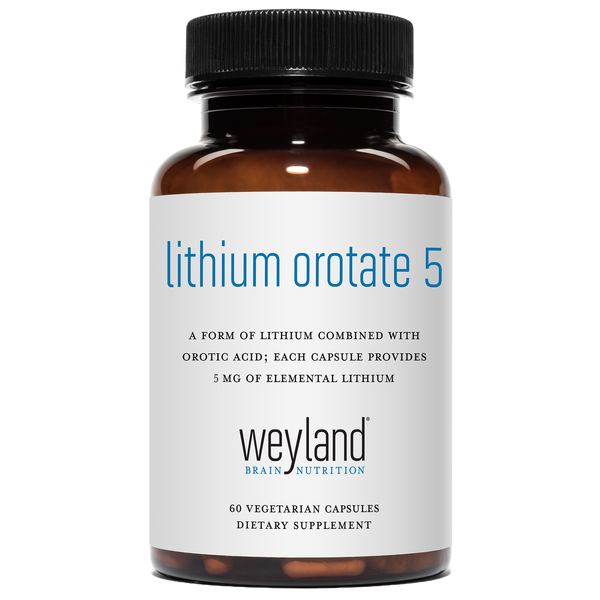
Why Did Researchers Compare Lithium Orotate to Other Salts?
To fully understand this scientific paper, we first need to examine the medical claims made in the early 1970s. During that time, a doctor named Nieper introduced lithium orotate to the medical world. He conducted clinical trials to test a concept called “directed electrolyte transport.” Based on his earlier work with calcium orotate and magnesium orotate, Nieper believed that attaching a mineral to an orotate molecule would allow it to easily slip through cell membranes intact.
He assumed that the orotate would deliver lithium directly to the central nervous system and brain tissue. Once inside the brain cells, the lithium ion would finally break free and do its therapeutic work. If true, this would mean lithium orotate was highly superior to standard lithium carbonate or lithium chloride, which were the standard treatments.
However, the scientific community lacked hard evidence to back up these claims. No one had closely tracked the uptake, distribution, and excretion of lithium orotate to determine whether it behaved differently. Therefore, the primary goal of this research was to map the exact journey of lithium orotate in the body and directly compare it with lithium carbonate and lithium chloride. Additionally, the researcher wanted to observe if taking lithium orotate over a long period affected water intake and urine output in rats, which are common side effects of lithium therapy.

Methodology
To obtain highly accurate results, the researcher used male albino Wistar rats weighing 250-300 g. These rats were kept in a carefully controlled environment at 23 degrees Celsius. They lived on a strict 12-hour light and 12-hour dark cycle to maintain stable biological rhythms. They were given standard rat chow and tap water for at least three weeks before any testing began.
The study was split into two main phases: short-term experiments and long-term experiments.
For the short-term experiments, nine rats were used. The researcher gave them a specific dose of 0.5 milliequivalents of lithium per kilogram of body weight (mEq/kg). To ensure the delivery method did not alter the results, the lithium was given in three different ways: Intraperitoneal (IP), meaning injected into the body cavity; Subcutaneous (SC), meaning injected under the skin; and Intragastric (IG), meaning delivered directly into the stomach. Blood samples were taken at 40 minutes and 4.5 hours after the doses were given. Urine was also collected over a three-hour window. Later, to check where the lithium ended up, eight rats were given an intragastric dose of either lithium orotate or lithium carbonate. After seven hours, the rats were examined to measure lithium levels in their brain, livers, muscles, lungs, hearts, red blood cells, kidneys, and blood plasma. All measurements were done using a highly precise scientific technique called flame photometry.
For the long-term experiments, 16 rats were randomly assigned to 4 groups. One group was the control group and received no lithium. The other three groups received wet mash food containing either lithium orotate, lithium carbonate, or lithium chloride. The lithium concentration in the food was slowly increased every four days over a 20-day period until it reached a high dose of 60 mEq/kg of dry weight. During this time, the researcher carefully tracked the rats’ daily tap water intake. On the 20th day, the rats were placed in special metabolism cages to measure their total urine output over a four-hour period. Finally, their tissues and blood were analyzed by flame photometry to determine where the lithium had accumulated after 20 days of continuous use.

Main Findings
Equal Absorption Rates
The short-term tests provided incredibly clear results. According to the scientific paper, there were no differences in the uptake, distribution, and excretion of the lithium ion… between lithium orotate, lithium carbonate, and lithium chloride.” Whether the rats were injected into the stomach, under the skin, or into the body cavity, all three lithium salts behaved identically. The blood serum lithium levels measured at 40 minutes and 4.5 hours were nearly identical across all three groups.
Similar Brain and Organ Distribution
The most critical part of the study was the examination of brain tissue. Nieper’s original theory claimed that lithium orotate would pool in the central nervous system. However, the long-term tests proved this false. After 20 days of eating lithium-laced food, the rats showed identical lithium levels in their organs regardless of which salt they consumed. The lowest concentrations of lithium were found in the liver and the brain, while the highest levels were found in the kidneys and muscles. The study definitively states, “The findings oppose the notion that the pharmacokinetics of the lithium ion given as lithium orotate differ from lithium chloride or lithium carbonate.”
Delayed Thirst and Urination
One of the most well-known side effects of taking lithium is Polydipsia (excessive thirst) and Polyuria (excessive urination). The researcher found that all rats given lithium drank more water than the control group.
- Rats given lithium carbonate and lithium chloride showed a significant increase in water intake after just 9 days.
- Rats given lithium orotate did not show a significant increase in water intake until day 12.
On the 20th day, the control group only produced 3.5 milliliters (ml) of urine. The lithium chloride group produced 11.1 ml, and the lithium carbonate group produced 9.9 ml. Interestingly, the lithium orotate group produced only 6.9 ml, which was not statistically different from that of the healthy control group. The scientific paper notes that these side effects “developed more slowly in rats given lithium orotate… perhaps due to an effect of the orotate anion.”

What Do These Results Mean for Lithium Treatments?
The implications of this scientific paper are incredibly important for our understanding of dietary supplements and medical treatments. Because the biological journey of the lithium ion is identical whether it is attached to an orotate, carbonate, or chloride molecule, medical professionals can confidently say that lithium orotate does not possess a “magic” ability to cross into the brain more effectively.
As the study firmly concluded, all previously established rules of lithium absorption apply perfectly to lithium orotate. For instance, lithium enters the blood faster when injected into the body cavity than when swallowed. Furthermore, lithium always concentrates more heavily in the kidneys and blood plasma than it does in the brain or liver. This completely dismantled Nieper's specific claims made in 1973.
However, the delay in excessive thirst and excessive urination is an intriguing finding. While the actual lithium levels in the kidneys were identical across all groups, the rats taking lithium orotate did not suffer from severe water-loss side effects as quickly. The study suggests that the orotate anion itself might have a mild protective or delaying effect on the kidneys, even though it does not alter the amount of lithium the kidneys actually absorb.
Ready to Make an Informed Choice?
Skip the guesswork. Choose high-quality formulations backed by research and designed to support your long-term wellness goals.
Browse the CollectionBusting the Lithium Orotate Myth: Science Grounded in Reality
This foundational study showed that human and rat bodies process lithium ions in the same way, regardless of the compound to which they are attached. By thoroughly tracking the drug through the bloodstream, organs, and waste systems, researchers were able to provide scientific evidence for unproven medical claims. While lithium orotate might delay some of the frustrating side effects like constant thirst and frequent bathroom trips, it does not offer a special shortcut to the brain. Understanding these basic biological facts helps ensure that scientific treatments remain grounded in reality rather than mere hopeful theories.
References
-
Bedford, J. J., Weggery, S., Ellis, G., McDonald, F. J., Joyce, P. R., Leader, J. P., & Walker, R. J. (2008). Lithium-induced nephrogenic diabetes insipidus: renal effects of amiloride. Clinical journal of the American Society of Nephrology : CJASN, 3(5), 1324–1331. https://doi.org/10.2215/CJN.01640408
-
Ferensztajn-Rochowiak, E., & Rybakowski, J. K. (2023). Long-Term Lithium Therapy: Side Effects and Interactions. Pharmaceuticals (Basel, Switzerland), 16(1), 74. https://doi.org/10.3390/ph16010074
-
Gitlin M. (2016). Lithium side effects and toxicity: prevalence and management strategies. International journal of bipolar disorders, 4(1), 27. https://doi.org/10.1186/s40345-016-0068-y
-
Sheikh, M., Qassem, M., Triantis, I. F., & Kyriacou, P. A. (2022). Advances in Therapeutic Monitoring of Lithium in the Management of Bipolar Disorder. Sensors (Basel, Switzerland), 22(3), 736. https://doi.org/10.3390/s22030736
-
Smith, D. F. (1976). Lithium orotate, carbonate and chloride: Pharmacokinetics, polydipsia and polyuria in rats. British Journal of Pharmacology, 56(4), 399–402.
Medical Disclaimer
The content on this page is for informational purposes only and is not intended as medical advice, diagnosis, or treatment. Always consult a qualified healthcare professional before making changes to your health regimen.
*These statements have not been evaluated by the Food and Drug Administration. Our products are not intended to diagnose, treat, cure, or prevent any disease.